2027 iPhone 19 Pro Could Be Apple’s Boldest Redesign Yet – A True Glass Smartphone
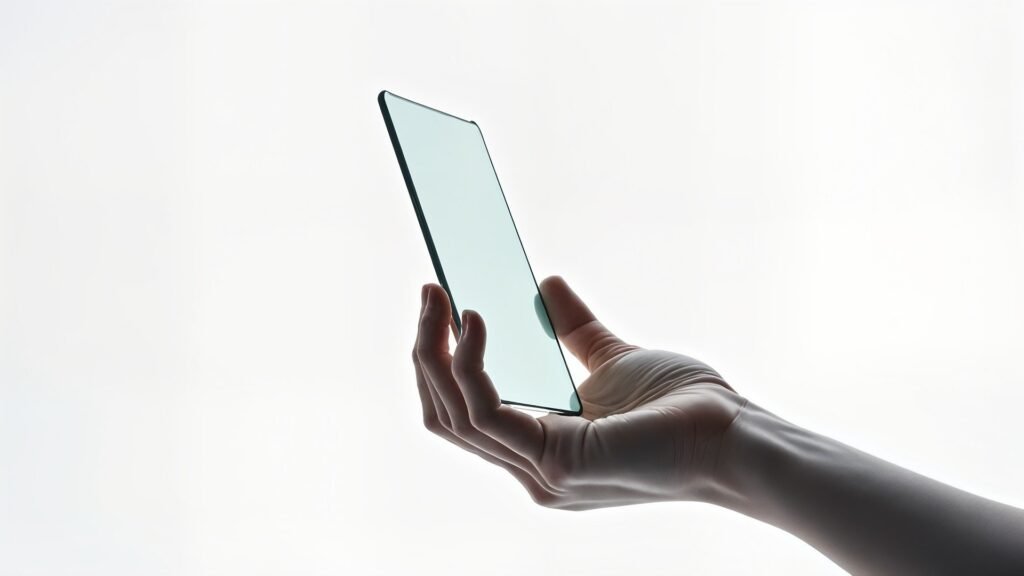
The iPhone 19 Pro could be launched in 2027 with a radical new design. Apple plans the 20th anniversary of the implementation of Jony Ive’s dream of a smartphone that looks like “a single piece of glass”.
Apple’s vision of the “Glas-iPhone” should become a reality
According to several industry reports, Apple is planning a courageous redesign for the 20th anniversary of his smartphone, which ties in with the original vision of the former design boss Jony IVE. This dreamed of an iPhone that looks like “a single piece of glass”. The current iPhone generation still follows the basic design concept, which was introduced with the iPhone X in 2017.
Apple’s product strategy often follows a recognizable pattern: The company presents particularly innovative products for important anniversaries. The iPhone X changed the iPhone design significantly with its borderless display and the striking emergency. Since then, Apple has only made small optical changes – the basic shape was largely preserved.
The company is preparing a large upheaval for the 20th anniversary of the iPhone. Bloomberg reporter Mark Gurman
According to information from Bloomberg reporter Mark Gurman, Apple is now preparing a “big redesign” for the 20th anniversary. In his newsletter Power on (via 9to5mac) he writes: “The company is preparing a large upheaval for the 20th anniversary of the iPhone, including a foldable version and a brave new pro model that is increasingly using glass.” The development could begin with the ultra -slim iPhone 17 Air, which is expected for this year, which is the first step towards this new design language.
Between vision and practicality
An iPhone, which is mainly made of glass, naturally raises questions about durability and repair. Nevertheless, such a step would go perfectly with Apple’s design philosophy. The company has repeatedly proven that it is ready to make practical compromises for aesthetic goals. For Apple, such a design offensive makes sense for the anniversary.
After almost two decades of iPhone evolution and increasing criticism of the lack of joy of innovation, a really revolutionary design could re -ing enthusiasm for the product range. Apple is also under increasing pressure from competitors who experiment with foldable devices and other form factors. A brave design step would not only attract the attention of the media and consumers, but also strengthen Apple’s position as an innovation leader – an image that has suffered something in recent years.
It remains to be seen whether the iPhone 19 Pro will actually realize Jony Ives Vision of a glass smartphone. The only thing that is certain is that Apple is planning something special for 2027 – possibly even a foldable iPhone as a second anniversary surprise. It is important to emphasize that all current information is based on rumors and Apple has not made any official announcements about its long -term product plans.
The actual implementation could still differ significantly from the current rumors. What do you think of the idea of an iPhone that looks like a single piece of glass? Would such a design be more important to you than robustness, or do you prefer more practical solutions? Share your opinions in the comments!
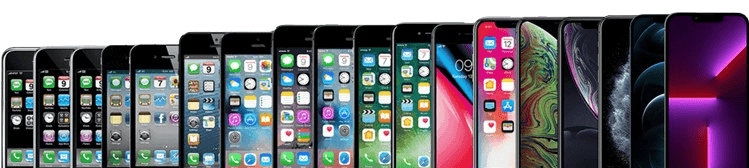
The evolution of the iPhone design
2007 Introduction of the iPhone (1st generation) with rounded edges, aluminum back and plastic cover for the antenna
2008 iPhone 3G: Change to a shiny plastic back to improve the signal strength
2010 iPhone 4: Complete redesign with a flat front and back made of glass, framed in a stainless steel frame with flattened edges
2012 iPhone 5: larger 4-inch display and a thinner, lighter aluminum housing with continued flat edges
2013 iPhone 5c: Introduction of a plastic housing in several lively colors
2014 iPhone 6 & 6 Plus: rounded edges and a thinner profile, with larger displays (4.7 and 5.5-inch), aluminum unibody housing
2016 iPhone SE (1. Generation): Return to the design of the iPhone 5S with 4-inch display, but with updated hardware
2016 iPhone 7 & 7 Plus: maintaining the design of the iPhone 6 with adding new colors such as diamond black and removal of the 2018 headphone connection
2017 iPhone X: First change to an almost borderless OLED display, removal of the home button and introduction of Face ID; Stainless steel frame and glass back
2018 iPhone XR: aluminum frame with a glass back, available in several colors, with a 6.1-inch LCD display
2020 iPhone 12 & 12 Mini: Return to flat edges, similar to the iPhone 4, with aluminum frames and Ceramic Shield on the front; Introduction of the color blue
2020 iPhone 12 Pro & 12 Pro Max: flat stainless steel edges, new colors such as Pacific blue, and lidar scanner on the back
2021 iPhone 13 Pro & 13 Pro Max: retention of the design of the iPhone 12 Pro with new colors such as Sierrablau and a smaller notch
2022 iPhone 14 Pro & 14 Pro Max: Introduction of the “Dynamic Island” instead of the traditional Notch, Always-on display and new color Darkellila
2023 iPhone 15 Pro & 15 Pro Max: For the first time use of titanium for the frame, which makes the device easier; slightly rounded edges for improved comfort