5 Common Misconceptions About Kratom In Canada And The Truth Behind Them
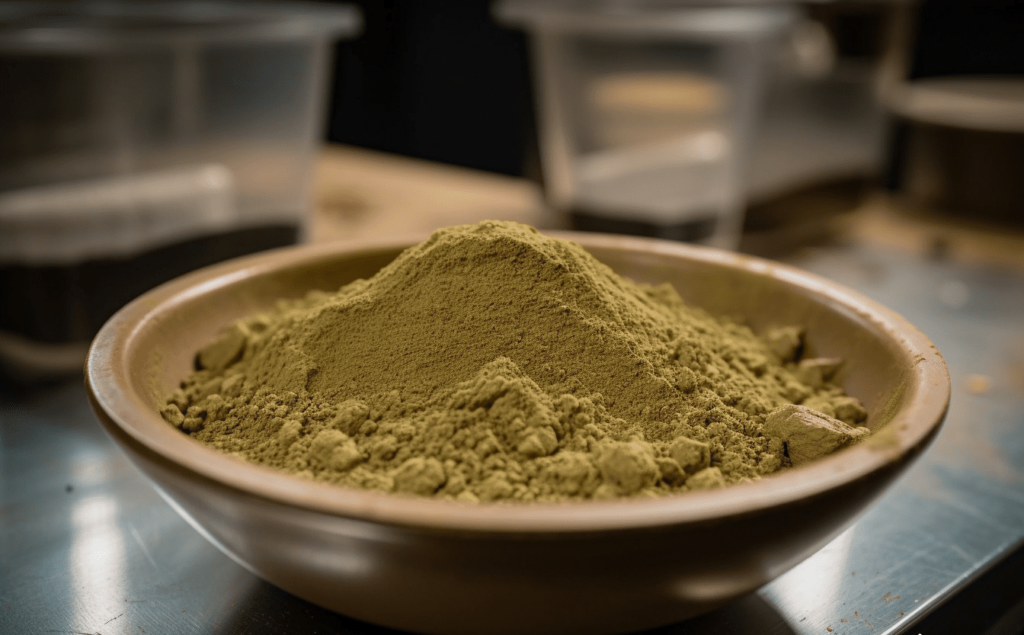
The debates surrounding kratom in Canada are usually tainted with confusion, misinformation and divided views.
Some call it a hazardous substance, and others consider it a natural alternative for wellness. Such misleading information may make anyone puzzled about whether kratom is safe, legal or even worth considering.
The problem is that most of what is being shared on the internet or at dinner tables is premised on half-truths or information that is outdated. Due to this reason, a lot of questions remain in the minds of many Canadians.
Is kratom banned nationwide? Is it addictive by nature? Does it not have some proven benefits? Such suspicions have the potential to breed unwarranted fear, avoid a balanced comprehension and even stigmatize responsible users.
To shed light on it, we will discuss the most widespread myths about kratom in Canada and reveal the reality behind them.
Misconception 1: Kratom Is Illegal In Canada
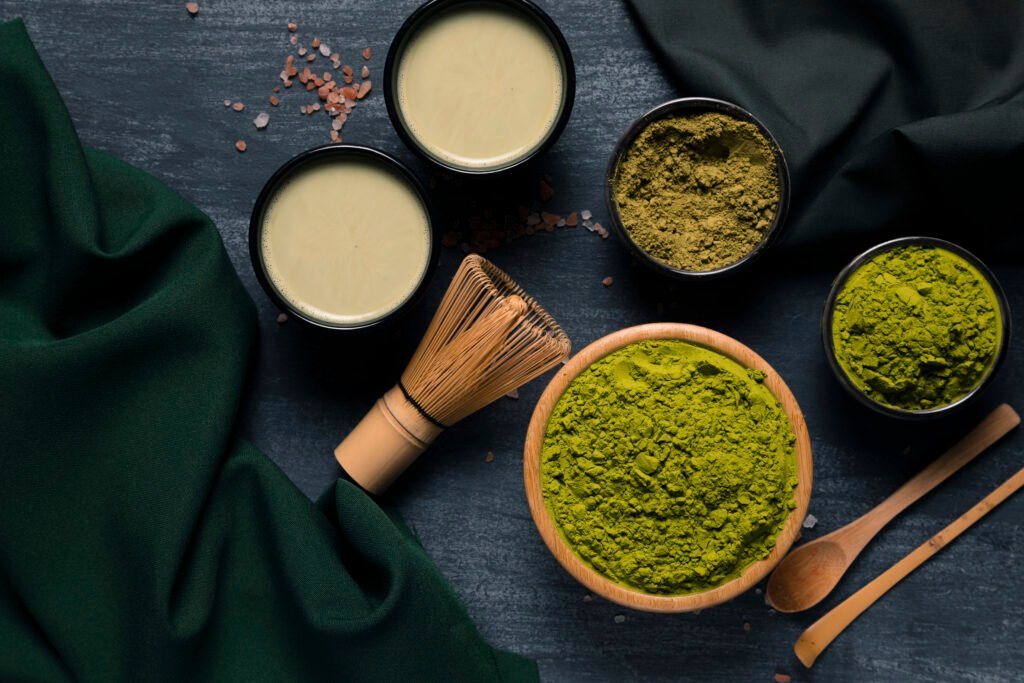
Among the most popular false assumptions, there is a belief that Kratom is prohibited in Canada. The truth is more nuanced.
Kratom itself is not classified as an illegal substance under Canadian law. Health Canada, however, does not allow it to be used or sold for human consumption.
It implies that vendors have a right to offer kratom as a herbal product, but they are not allowed to claim health benefits or recommend it for ingestion. Consequently, a significant number of Canadians mistakenly believe that it is outright illegal.
It is significant to understand this difference. Although possession is not a criminal offense, buyers should beware of quality and legality as applied to the presentation of the product.
Thus, you should always buy kratom from a kratom Canada supplier that offers high-quality products with a third-party lab-tested certificate and transparent information.
Misconception 2: Kratom Has No Scientific Basis For Benefits
The other widespread assumption is that there are no research-proven benefits of kratom. This view is due to the fact that the regulatory authorities in Canada and other countries focus on the risks while rejecting research that may indicate possible applications.
As a matter of fact, active alkaloids, such as mitragynine and 7-hydroxymitragynine, are present in kratom leaves. The compounds are able to bind to body receptors and have been researched on with possible energy, mood and discomfort effects. While the study is currently ongoing, preliminary findings and anecdotal reports suggest that kratom may have potential.
The trick is in understanding that scientific exploration is ongoing. Claiming that it has not been proven to benefit is simplistic and ignores emerging pieces of evidence.
Misconception 3: All Kratom Strains Work The Same
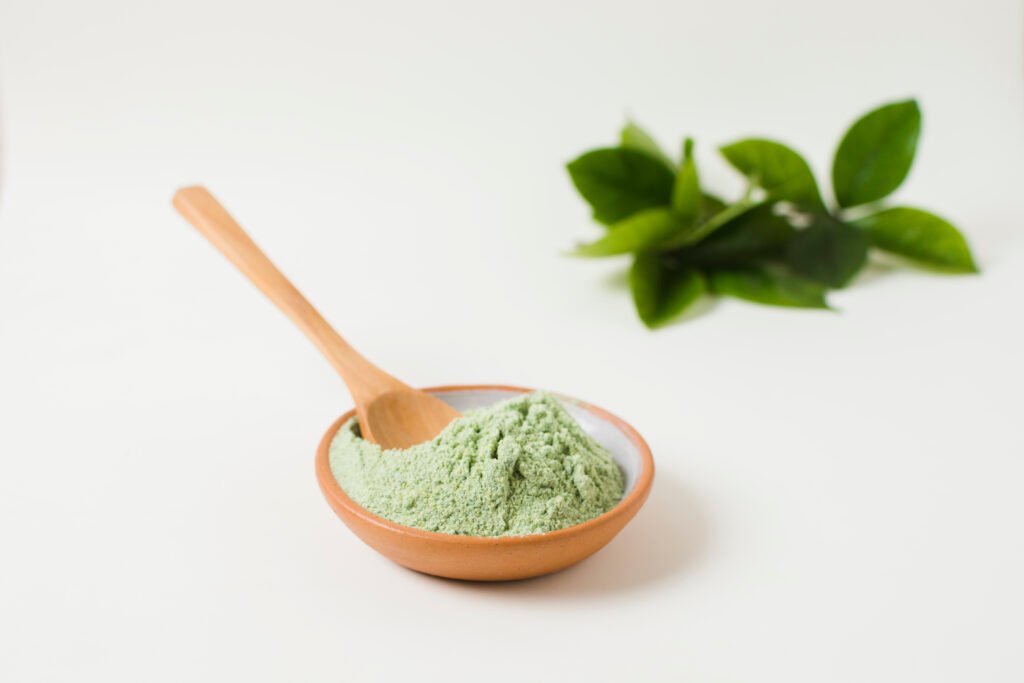
Many newcomers believe kratom works in a single, predictable way regardless of strain or vein color. This is misleading. Kratom is typically categorized into red, green, and white vein varieties, each with distinct properties depending on where it is grown and how it is processed.
For example, red vein strains are often associated with more calming effects, while white vein strains are described as energizing. Green vein options tend to fall somewhere in between, offering balanced effects. On top of that, environmental factors and harvest methods also influence alkaloid content.
By assuming all kratom is identical, people overlook the importance of choosing the right strain for their needs and using it responsibly.
Misconception 4: Kratom Is Always Addictive And Dangerous
Another misconception is that kratom is inherently addictive and harmful. While it is true that kratom can lead to dependence if misused, equating it with substances like opioids is inaccurate.
Addiction risk largely depends on dosage, frequency of use, and individual circumstances. Occasional or moderate use does not carry the same risk level as daily heavy consumption. Furthermore, when kratom is compared to other substances often used for similar purposes, such as prescription pain medications, it tends to have a lower risk profile.
The reality is that kratom should be approached with caution, but labeling it as universally dangerous ignores the role of responsible usage and context.
Misconception 5: Kratom Products In Canada Are All The Same Quality
A final misconception is that all kratom available in Canada is uniform in quality and safety. Unfortunately, this is not the case. Because kratom is unregulated, products vary widely depending on sourcing, processing, and vendor practices.
Some vendors prioritize rigorous quality control, lab testing, and clean sourcing. Others may not follow strict standards, which can result in products contaminated with heavy metals or other impurities. This inconsistency is what creates risk, not kratom itself.
For Canadian consumers, the truth is clear: choosing reputable suppliers that provide transparency and third-party testing is crucial. Quality determines safety and overall experience.
Moving Past The Myths
Kratom in Canada exists in a complex space—legal to possess but not approved for consumption, promising in potential but still under scientific review. Misconceptions about legality, benefits, safety, and quality continue to fuel uncertainty.
By separating fact from fiction, Canadians can develop a more balanced understanding of this plant. Kratom is not a miracle cure, nor is it a universally harmful substance. Instead, it is a natural product that requires careful consideration, responsible use, and attention to sourcing. The next time you hear conflicting claims, take a step back and remember that clarity comes from facts, not assumptions. With the right knowledge, it becomes easier to navigate the conversation around kratom in Canada with confidence.

Alexia is the author at Research Snipers covering all technology news including Google, Apple, Android, Xiaomi, Huawei, Samsung News, and More.