5 Ways Drones Are Replacing Traditional Inspection Methods
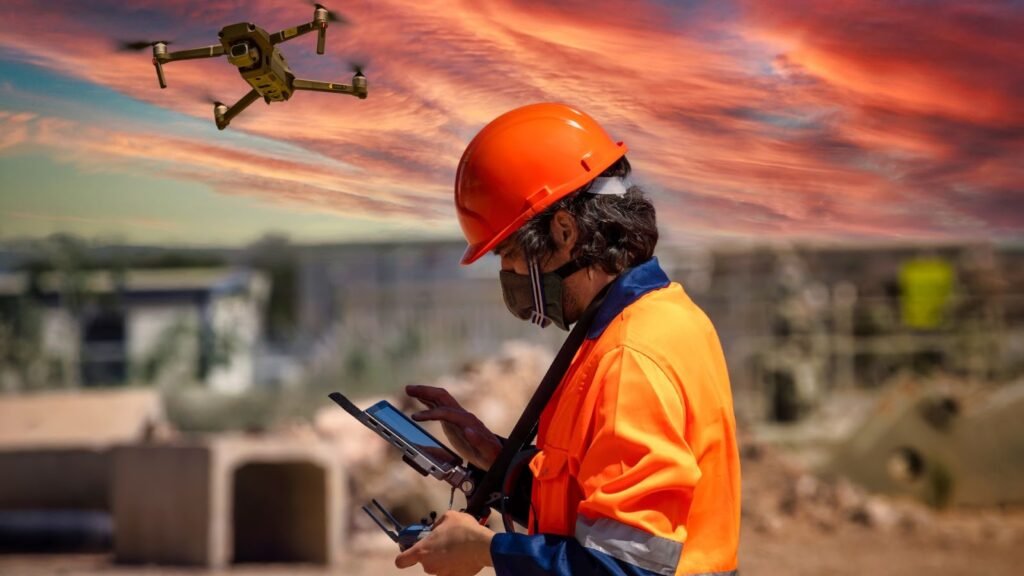
In recent years, industries across the globe have witnessed a remarkable shift in how industrial inspections are conducted. Research shows that the drone inspection market, currently valued at $476.90 billion in 2024, is expected to reach $701.61 billion by 202832. This explosive growth is driven by the undeniable advantages that drone inspection services offer over traditional methods.
From towering wind turbines to sprawling industrial plants, drones now deliver faster, safer, and more cost-effective results than conventional inspection teams. The transformation is so significant that many companies are completely rethinking their approach to asset monitoring and maintenance.
How Drones Are Transforming Industrial Inspections
The industrial inspection landscape has undergone a dramatic transformation as companies discover the remarkable capabilities of modern drone technology. A task that once required extensive planning, specialised equipment, and significant manpower can now be accomplished with a single skilled operator and an advanced drone system.
Speed and Efficiency Gains
Traditional inspection methods often involve lengthy setup procedures, multiple personnel, and considerable downtime. Construction Drone Monitoring has revolutionised this process by enabling rapid data collection across vast areas. A single drone can cover hundreds of acres in just hours, compared to ground-based teams that might take days or weeks to complete the same task.
The efficiency gains extend beyond just the coverage area. Drones can access hard-to-reach locations instantly, eliminating the need for scaffolding, rope access systems, or cherry pickers. This streamlined approach means inspections can be scheduled more frequently, enabling proactive maintenance rather than reactive repairs.
Cost Reduction Benefits
The financial advantages of switching to drone-based inspections are substantial. Companies eliminate costs associated with hiring large inspection crews, renting specialised access equipment, and managing extended project timelines. Other benefits include reduced labour costs, fewer insurance risks, and inspections that cause little to no operational downtime.
Moreover, the data quality from drone inspections often surpasses traditional methods. High-resolution cameras and thermal imaging sensors capture detailed information that might be missed by human inspectors working at height or in challenging conditions.
Safety Improvements
Perhaps the most compelling reason for adopting drone technology is the dramatic improvement in worker safety. Traditional inspections of bridges, towers, and industrial facilities expose workers to significant risks. As falls from height continue to be a major cause of workplace injuries, drone inspections offer a safer alternative for risk-averse organisations.
By keeping inspection teams safely on the ground, drones eliminate exposure to hazardous environments while maintaining thorough assessment capabilities. This transition leads to improved safety records and reduced liability concerns for companies.
Key Areas Where Drones Replace Traditional Teams
The versatility of modern drone technology has enabled its adoption across diverse industries and inspection scenarios. Understanding these applications helps illustrate why drone technology in inspections is becoming the preferred approach for forward-thinking organisations.
Infrastructure and Building Inspections
Bridge inspections represent one of the most notable examples of drone adoption. Traditional bridge inspections require lane closures, traffic management, and expensive access equipment. Drones, on the other hand, can inspect bridge structures while traffic continues flowing, capturing detailed imagery of structural components from multiple angles.
Building facade inspections have similarly benefited from drone technology. Rather than erecting scaffolding or using rope access techniques, drones can systematically photograph and assess building exteriors. This approach proves particularly valuable for tall structures or buildings with complex architectural features.
Pipeline and Energy Sector Monitoring
Oil and gas companies have embraced drone technology for pipeline monitoring across vast geographical areas. Traditional pipeline inspections require ground crews to walk or drive along pipeline routes, a time-consuming task that often involves safety risks. Drones equipped with thermal cameras can detect leaks, corrosion, and other issues quickly and safely.
Power line inspections have also undergone a significant transformation in recent years. Drone-powered solutions showcase how specialised equipment can detect electrical faults, vegetation encroachment, and structural damage, without the need for power shutdowns or putting workers at risk of electrical hazards.
Wind Turbine and Power Line Assessments
Wind turbine inspections clearly showcase the remarkable capabilities of modern drone technology. Traditional turbine inspections required technicians to climb towers or use expensive helicopter services. Drones equipped with high-resolution cameras can inspect turbine blades, nacelles, and towers with unprecedented detail.
The renewable energy sector, in particular, has benefited from these innovations. FEDS Drone-Powered Solutions and similar providers offer specialised services that enable wind farm operators to maintain their assets more effectively, whilst reducing maintenance costs and improving safety outcomes.
Modern Drone Inspection Technology
The highly technical solutions behind the drones used in today’s inspections go far beyond conventional photography. High-performance packages integrate numerous sensors, artificial intelligence, and real-time data processing capabilities, delivering information that could not have been obtained using traditional methods.
High-End Sensors and Imaging
Contemporary inspection drones are impressive in terms of the sensors they carry, with specific applications. Thermal imaging cameras highlight variations in temperature that may point to electrical faults or structural issues. LiDAR sensors provide accurate 3D maps of the areas they are checking, making it possible to measure everything correctly and identify any changes over time.
Ultra-high-resolution visual cameras also allow viewing of minute details that would not be perceived by human inspectors. Such systems are capable of zooming into areas of interest, providing close-range details of areas that are likely to have problems without the need for physical access to dangerous locations.
Analysis and Processing of Data
The real strength behind drone inspections is the speed at which vast amounts of data can be processed and analysed. High-level software can automatically detect possible complications, mark abnormalities, and generate detailed inspection reports. This automated analysis ensures consistency with a lower risk of human error.
The performance of machine learning algorithms is still being enhanced in terms of pattern recognition and maintenance prediction. This predictive functionality allows for proactive maintenance practises, preventing breakdowns, saving costly repairs, and maximising the life spans of assets.
Real-Time Monitoring Capabilities
Modern drone technology enables real-time monitoring, which provides instant feedback during an inspection. Operators can communicate using live video feeds, adjust inspection parameters on the fly, and make informed decisions throughout the process.
This is particularly useful in emergencies or when urgent assessments are needed. Inspectors can react rapidly to changing circumstances and adjust their approach based on early observations.
Comparing Traditional Methods With Drone Solutions
The stark differences between traditional inspection methods and drone-based approaches highlight why this technological shift is accelerating across industries. Understanding these differences helps organisations make informed decisions about their inspection strategies.
Time and Resource Requirements
There are significant disparities in resource requirements between traditional and drone inspections. Conventional inspections often require weeks of planning, multiple skilled technicians, and expensive equipment rental. Drone inspections can be arranged and completed within a few days, requiring only a licenced drone pilot and the right equipment.
Time savings extend beyond the inspection itself. The setup and dismantling processes associated with traditional inspection methods take a long time, whereas drones begin collecting data within minutes of taking off. This efficiency allows more time for additional checks and monitoring of assets.
Risk and Safety Factors
There is no overstating the safety benefits of drone inspections. Traditional techniques expose workers to the risks of falls, electrical hazards, confined spaces, and other dangerous situations. Drones eliminate these hazards, as personnel are not exposed to hazardous environments.
Reducing these risks also leads to reduced insurance costs, less exposure to liability, and enhanced safety records. Organisations can implement comprehensive inspection programmes without compromising worker safety or exposing themselves to risk.
The Future of Industrial Inspections
Replacing a traditional inspection crew with drone-based alternatives represents a paradigm shift that takes asset management towards safer, more effective, efficient, and lower-cost operations. With advancements in drone technology and evolving regulations, the future holds broad applications for drones in various industries.
Organisations that adopt this technology now are positioning themselves for the future. It’s no longer a question of if drones will replace traditional inspections, but how quickly organisations will adapt to this new standard.
Common Questions About Drone Inspections
What are two ways drones help surveyors?
With drones, surveyors can capture many more topographic data points, leading to more accurate volume measurements. They can also do this more safely than if they had to manually collect data by climbing up and down a stockpile.
What is the primary advantage of using drones for pipeline inspections?
One of the biggest benefits of using drones in pipeline inspections is their ability to reduce labour costs. Drones can cover large areas in a short amount of time, reducing the overall time and labour required for inspections, leak detection, and security monitoring.
How do drones improve inspection accuracy compared to traditional methods?
Drones equipped with high-resolution cameras and sensors capture detailed imagery from multiple angles and distances, providing comprehensive coverage that human inspectors might miss. They also eliminate human error factors like fatigue or accessibility limitations.

Alexia is the author at Research Snipers covering all technology news including Google, Apple, Android, Xiaomi, Huawei, Samsung News, and More.