6 Benefits of Plastic 3D Printing for Startups and Makers
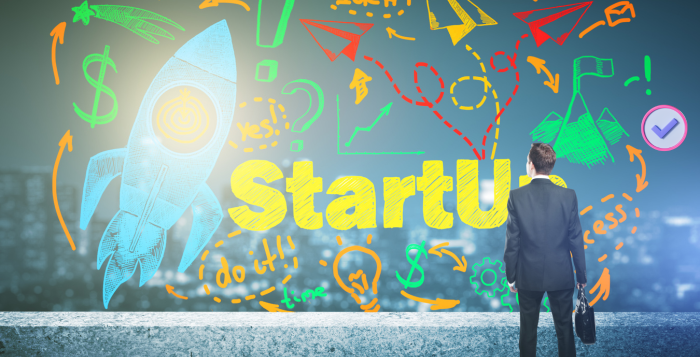
Starting a business or creating a new product can be tough, especially when you’re working with a tight budget and big ideas. That’s where plastic 3D printing steps in as a game-changer. It gives startups and makers a smart, flexible way to bring ideas to life—fast and affordably.
Whether you’re prototyping a new gadget or producing small batches for early customers, plastic 3D printing helps you move quickly and stay in control. In this blog, we’ll explore six powerful benefits of using plastic 3D printing that can help you innovate, save money, and scale smarter from day one.
Cost-Effective Prototyping Revolution
Small businesses and individual makers face constant pressure to do more with less. Traditional prototyping methods often require minimum orders, expensive molds, and lengthy lead times that can kill momentum before it starts.
Breaking Free from Minimum Orders
Remember when you had to order 1,000 units just to test an idea? A plastic 3d printing service eliminates that barrier, giving you the freedom to prototype on demand. You can print a single part, test it, tweak the design, and reprint—all in one day. It’s a faster, more cost-effective way to innovate without the risk of wasted inventory or storage full of outdated prototypes.
The financial relief is immediate and tangible. Instead of spending thousands on injection molding tools that might need changes, you invest in materials that cost dollars per part. This approach lets you experiment with wild ideas without risking your entire budget on a single bet.
Testing Ideas Without Breaking the Bank
Every startup founder knows the anxiety of spending money on unproven concepts. Plastic 3D printing transforms this dynamic by making failure affordable. When testing doesn’t cost much, you can afford to test more ideas, faster. That’s how breakthrough products get discovered.
The democratization of prototyping means anyone with a decent idea can compete with established players. You’re not limited by access to expensive manufacturing equipment or industry connections. These level the playing field in ways that seemed impossible just a decade ago.
Design Freedom and Customization Opportunities
Traditional manufacturing imposes strict rules about what shapes you can create. These limitations often force designers to compromise their vision to fit production constraints.
Complex Geometries Made Simple
With plastic 3D printing, internal channels, overhangs, and intricate details are all possible within a single print. You can create parts that would require multiple manufacturing steps or be completely impossible with conventional methods. This opens up design possibilities that can differentiate your product in crowded markets.
The advantages of plastic printing become obvious when you’re working on products with unique requirements. Medical devices, custom tools, and artistic pieces all benefit from this geometric freedom. You’re not constrained by what a machine can cut or how a mold needs to separate.
Personalization at Scale
Modern consumers expect products tailored to their needs. Plastic 3D printing makes mass customization economically viable for small businesses. You can offer personalized versions of your products without the nightmare of managing dozens of different molds or setups.
This capability is particularly powerful for makers selling directly to consumers. Custom-fit items, personalized accessories, and made-to-order products become realistic business models rather than expensive exceptions.
Rapid Iteration and Testing Cycles
Speed matters in competitive markets. The ability to test, learn, and improve quickly often determines which products succeed and which fade into obscurity.
Same-Day Design Changes
Traditional manufacturing requires weeks to implement design changes. With plastic 3D printing, you can modify a CAD file in the morning and hold the updated part by afternoon. This acceleration transforms how you develop products and respond to feedback.
The benefits of 3D printing extend beyond speed to include better final products. When iteration is fast and cheap, you naturally end up with more refined designs. Each version teaches you something new about what works and what doesn’t.
Real-World Testing Opportunities
Computer simulations help, but nothing replaces putting a physical prototype in someone’s hands. Plastic 3D printing lets you create functional prototypes that behave like final products. This means you can gather genuine user feedback before committing to production tooling.
The psychological impact of holding a tangible prototype shouldn’t be underestimated. Ideas become real when you can touch them, and that reality helps you spot problems that exist only in three dimensions.
On-Demand Production Capabilities
Inventory management challenges plague many small businesses. Storing products ties up capital and creates waste when demand doesn’t match projections.
Eliminating Storage Headaches
3D printing for startups offers a compelling alternative to traditional inventory models. Instead of guessing how many units you’ll sell, you can print products as orders come in. This approach reduces waste and frees up working capital for other business needs.
The flexibility proves especially valuable for seasonal products or items with unpredictable demand. You’re not gambling on quantities anymore—you’re responding to actual customer needs.
Spare Parts and Replacement Solutions
Long-term product support becomes manageable when you can print replacement parts years after initial production. This capability adds value for customers while creating ongoing revenue streams for your business.
Many successful companies have built entire business models around providing 3D printed replacement parts for discontinued or hard-to-find items. It’s a niche that didn’t exist before this technology became accessible.
Material Innovation and Sustainability
Environmental concerns increasingly influence purchasing decisions. Plastic 3D printing offers paths toward more sustainable production methods that resonate with conscious consumers.
Eco-Friendly Material Options
Modern 3D printing materials include recycled plastics, biodegradable options, and innovative composites that reduce environmental impact. These materials let you create products that align with your values while meeting performance requirements.
The advantages of plastic printing extend to waste reduction during production. Unlike subtractive manufacturing that cuts away material, 3D printing uses only what’s needed for the final part. This efficiency appeals to environmentally conscious customers and reduces material costs.
Final Thoughts on 3D Printing Success
Beyond any savings on cost, the advantages of 3D printing to startups and makers are too many to mention. This technology alters the basic method that the products are developed, tested, and marketed. This is not simply the purchase of a manufacturing process but the investment into flexibility, speed, and freedom of creativity.
On the one hand, the plastics 3D printing that the entrepreneurs and makers who will be candidates of tomorrow are taking today. The creative leaders will have acquired skills and work processes that the new entrants will find hard to compete with as materials get better and prices keep falling. Maybe the greatest advantage is not technical; it is the psychological change that occurs when you are in charge of what you produce.
Quick Answers About Plastic 3D Printing
1. What are 5 facts on 3D printing?
Development of 3D printing began in the 80s and operates on a layer basis. it deals with both the production of prototypes and final products. It accepts a wide variety of unusual materials, fully reducing the costs of production over manufacturing traditional items.
2. What are the benefits of 3D printing to the custom product manufacture?
Among the main pros are the versatility in design, quick prototyping speed, ability to mass-produce products that are required instead of going in bulk, powerful lightweight components, a quick design process, least waste generation, affordability, and enhanced accessibility to small enterprises.
3. What is the benefit of plastic 3D printing to startups competing with larger businesses?
It saves the high tooling licensing cost, allows iteration within a short period, enables small-batch production, provides design freedom, reduces inventory, and democratizes the availability to people regarding advanced manufacturing tools.

Alexia is the author at Research Snipers covering all technology news including Google, Apple, Android, Xiaomi, Huawei, Samsung News, and More.







1 thought on “6 Benefits of Plastic 3D Printing for Startups and Makers”
Comments are closed.