Understanding the Different Types of Debt and How to Tackle Them
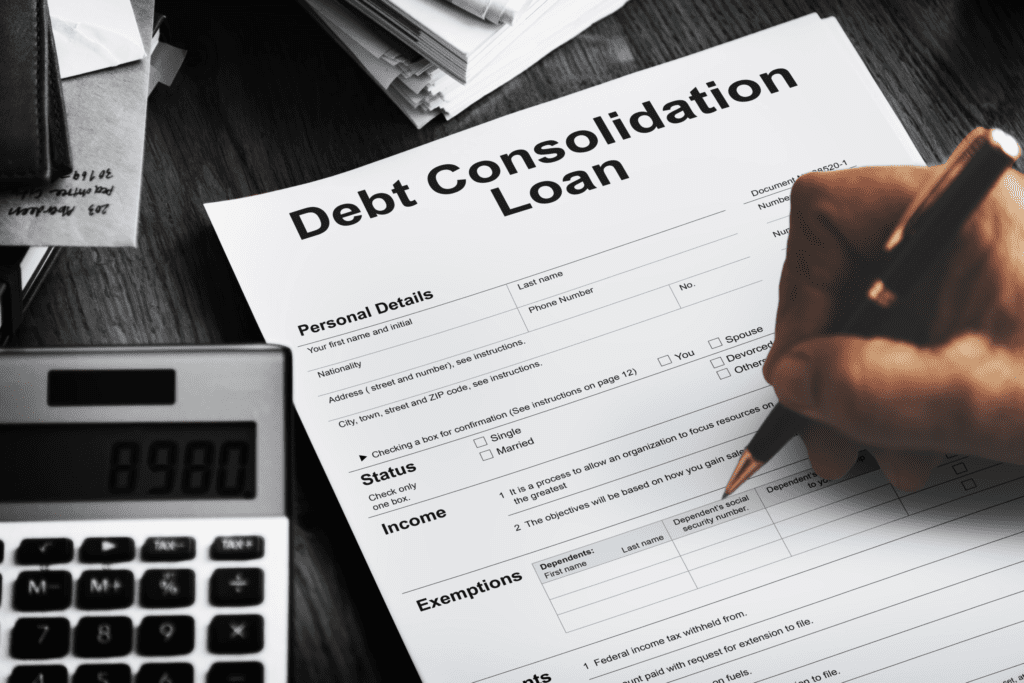
Debt is an inevitable part of modern life. Whether it’s a student loan, mortgage, or credit card balance, most people will experience some form of debt at some point. For some, debt is a tool for achieving long-term goals, like purchasing a home or furthering their education. For others, it can quickly become a source of stress and financial strain. Navigating the world of debt can feel overwhelming, especially when trying to understand which types are beneficial and which could lead to financial troubles.
While debt can sometimes feel like a necessary evil, it’s important to remember that not all debts are created equal. Some debts are essential for growth and investment, while others can drain your financial resources if not carefully managed. The key to mastering debt is not necessarily avoiding it but understanding the different types of debt and taking proactive steps to tackle them. In this article, we will explore the various types of debt people commonly encounter, how to manage them effectively, and provide strategies for reducing debt while ensuring your financial health remains intact.
1. Good Debt vs. Bad Debt
Before diving into the specific types of debt, it’s essential to understand the concept of good versus bad debt.
- Good Debt: This is debt that is used to finance something that will increase in value or generate future income. For example, student loans, mortgages, or business loans can be considered good debt if they contribute to your long-term financial goals.
- Bad Debt: Bad debt typically involves borrowing for items that lose value quickly or don’t contribute to your long-term financial success. High-interest credit card debt and personal loans for non-essential expenses are examples of bad debt.
2. Types of Debt
A. Credit Card Debt
Credit card debt is one of the most common types of debt and, unfortunately, one of the easiest to accumulate. Credit cards offer convenient access to funds, but they also come with high-interest rates, making it difficult to pay off the balance if you don’t manage it well.
How to tackle credit card debt:
- Pay more than the minimum: The minimum payment is often just a small portion of your debt, mostly covering the interest. Paying more than the minimum will help reduce the principal faster.
- Consolidate debt: If you have multiple cards, consider consolidating your debt into a lower-interest loan. This will make it easier to track and manage.
- Avoid further debt: Stop using credit cards for non-essential purchases until you’ve cleared your existing balance.
B. Student Loan Debt
Student loans are considered good debt by many, as they finance your education and future career opportunities. However, the rising cost of education means that student loan debt is a significant burden for many graduates.
How to tackle student loan debt:
- Take advantage of deferment or income-driven repayment plans: If you’re struggling with payments, consider deferring your loan or enrolling in an income-driven repayment plan. These can lower your monthly payments and extend the loan term.
- Refinance if possible: If your credit has improved or interest rates have dropped, refinancing your student loan might help lower your interest rate. Even if you have bad credit, some lenders specialize in refinancing student loans with bad credit; however, the rates may be higher.
- Make extra payments: If you can afford to do so, making extra payments can help reduce the total interest paid over the life of the loan.
C. Mortgage Debt
A mortgage is a loan taken to purchase property, and it’s often considered good debt, as real estate tends to appreciate over time. However, mortgages can become problematic if you overextend yourself and are unable to make payments.
How to tackle mortgage debt:
- Refinance your mortgage: If interest rates have dropped or your credit has improved, refinancing could help lower your monthly payment.
- Make extra principal payments: Paying more toward your principal will reduce your overall debt faster and save you money on interest.
- Consider selling: If the mortgage is too burdensome, selling the property and downsizing may be a viable option to reduce debt.
D. Auto Loan Debt
An auto loan is a type of installment loan used to finance the purchase of a car. Unlike mortgages, cars depreciate in value over time, which makes auto loans a form of bad debt in many cases.
How to tackle auto loan debt:
- Refinance your auto loan: If you’re paying a high interest rate, refinancing your auto loan might reduce your monthly payments.
- Pay off early: If you have the means, paying off the loan early will help you avoid paying excess interest over the life of the loan.
- Avoid borrowing for expensive cars: When purchasing a vehicle, ensure that the monthly payments fit within your budget to avoid getting trapped in debt.
E. Personal Loans
Personal loans are unsecured loans that can be used for various purposes, including debt consolidation, home improvements, or emergencies. However, the interest rates on personal loans can be high, particularly if you have poor credit.
How to tackle personal loan debt:
- Prioritize high-interest loans: If you have multiple personal loans, focus on paying off the high-interest ones first to reduce the overall interest you pay.
- Look into consolidation: If you have several personal loans, consolidating them into one loan with a lower interest rate may help simplify payments and save money.
- Create a budget: Use a detailed budget to ensure you’re allocating enough money each month to pay down your loans.
3. Strategies for Tackling Debt
No matter the type of debt, there are several universal strategies that can help you get your finances back on track.
A. Create a Budget
A detailed budget is the foundation for tackling debt. By tracking your income and expenses, you can identify areas where you can cut back and allocate more money toward paying off your debt.
B. Cut Unnecessary Expenses
Look for areas where you can reduce spending. Cancel unused subscriptions, cook meals at home, and avoid non-essential purchases. The money saved can be used to pay down your debt faster.
C. Build an Emergency Fund
Having an emergency fund can prevent you from going further into debt when unexpected expenses arise. Ideally, aim to save three to six months’ worth of expenses before focusing entirely on debt repayment.
D. Debt Snowball vs. Debt Avalanche
Two popular methods for paying down debt are the debt snowball and the debt avalanche.
- Debt Snowball: Focus on paying off your smallest debt first, then move on to the next smallest, and so on. This method provides quick wins and can boost your motivation.
- Debt Avalanche: Focus on paying off your highest-interest debt first, which saves you more money in the long run.
E. Seek Professional Help
If your debt is overwhelming, it may be time to seek professional help. Financial advisors, credit counselors, or debt management programs can help you create a plan and negotiate with creditors.
4. Preventing Future Debt
Once you’ve tackled your current debt, it’s important to take steps to prevent future debt accumulation.
- Live within your means: Avoid borrowing for unnecessary purchases and stick to a budget.
- Save for large purchases: Rather than using credit, save up for big expenses like vacations or new electronics.
- Pay off debt each month: If you have credit cards, pay off the full balance each month to avoid interest charges.
Conclusion
Debt, when managed properly, can be a powerful financial tool that helps you invest in your future. However, if mismanaged, it can quickly become overwhelming and hinder your ability to build wealth. The key to managing debt lies in understanding the different types of debt and implementing effective strategies to address them. Whether you’re tackling credit card debt, student loans, or mortgages, taking a proactive approach—such as refinancing, budgeting, and cutting unnecessary expenses—can help you regain control of your finances.
Remember, while tackling debt may seem like a long and difficult journey, every step you take toward financial freedom will bring you closer to a healthier, debt-free future. By addressing your debts head-on and making smarter financial decisions, you can break free from the cycle of debt and work toward a more secure and prosperous life.

Alexia is the author at Research Snipers covering all technology news including Google, Apple, Android, Xiaomi, Huawei, Samsung News, and More.











1 thought on “Understanding the Different Types of Debt and How to Tackle Them”
Comments are closed.