Huawei’s Return and Transforming Sanctions into Success Story
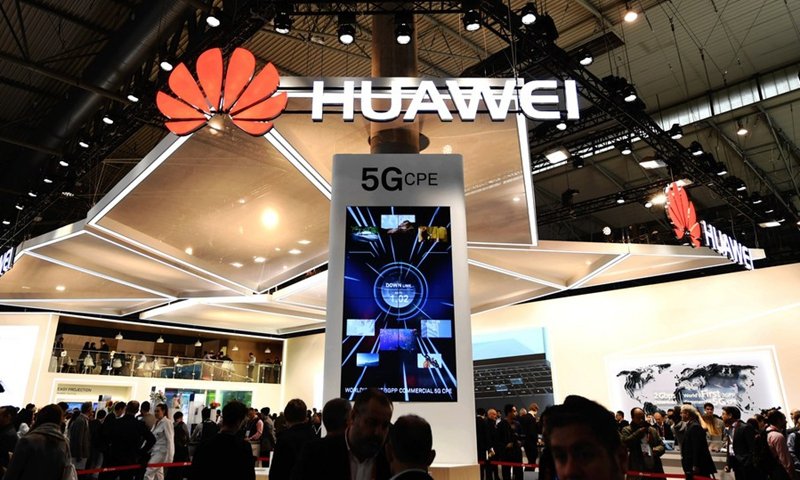
Huawei’s Remarkable Return
Huawei once stood among the biggest names in consumer and network technology. In 2019 its devices division reported nearly £120 billion in sales while its infrastructure kit powered operators around the globe.
A wave of sanctions then cut off key components, software licences and export markets, stretching the group across every unit. Those restrictions tested its finances and supply chains, yet the firm maintained steady profits and found fresh sources of funding like Newest and Best Casinos not on GamStop.
It spun out new brands, invested in wearables, automotive software and energy solutions, and began work on an independent operating system. At the same time it rallied state‑backed chip fabs to develop domestic semiconductors.
As a result, Huawei has transformed adversity into momentum, regaining leadership in core markets and opening new fronts in hardware, software and network services.
Impact of the Sanctions
The US moved to limit Huawei in two main ways:
- Network gear ban: American carriers had to drop Huawei. Allies faced heavy pressure to follow suit.
- Entity list: Firms using US tech needed a licence to sell to Huawei. Many licences never came.
These rules hit hard. They cut off Google services on phones. They stopped 5G chips and components. They made network deals harder. Despite this, Huawei found ways to keep selling.
Carrier deals
China remained Huawei’s chief client. Many nations outside the US axis like Brazil kept its network equipment. Germany delayed its exit. Saudi Arabia and Hungary embraced Huawei. Reports also spoke of payments to some European lawmakers. That helped supply contracts even when Western governments frowned.
Consumer survival
Phones kept working on open‑source Android. Later Qualcomm won a waiver to sell 4G chips to Huawei. The phones lost 5G but stayed on sale. In China 5G phones matter less. Google services never caught on there. Sales held up.
Strong Finances
Even at its weakest point Huawei stayed in the black. Its profit margin never fell below 5 per cent.
| Year | Revenue (£ billion) | Profit margin |
| 2019 | 120 | 9 % |
| 2020 | 80 | 12 % |
| 2021 | 60 | 15 % |
| 2022 | 70 | 10 % |
| 2023 | 90 | 8 % |
In 2020 Huawei spun off Honor. This brought in about £15 billion in cash. Honor went on to sell millions of phones in Europe. It gave Huawei room to breathe.
New Strategies and Products
Huawei reinvested cash into fresh areas. It did not just guard its old markets.
- Wearables and audio: The Watch 5 features a sapphire face and up to 11 days of battery. It adds a side sensor for blood pressure. Its buds match top rivals.
- Automotive software: Huawei built driving aids, infotainment and cloud tools. Over 20 million car parts shipped last year. Brands like Toyota used its kit.
- Energy and infrastructure: The digital power group expanded into solar, data centres and smart grids.
Hardware focus
Accessories needed less US content. Huawei made them work on any phone. It pushed marketing in Europe and the Middle East. A big Berlin event drew hundreds of media.
Spin‑off of Honor
Honor has ties to local state bodies. It uses Huawei’s old IP and networks. Analysts say Huawei may buy it back once sanctions lift. For now it stands as a separate safe brand.
Harmony OS Evolution
Huawei decided to build its own software. It aimed to free itself from Android and Windows.
| Version | Change overview |
| 1–3 | Built on Android kernel with Huawei services |
| 4 | HMS Core replaces Google; Android code still used |
| 5 | New kernel; Android runs in virtual machine only |
Harmony OS 5 ships on the Pur X phone. Laptops and foldable tablets follow. Most global devices still use Harmony OS 4. This keeps Android code for app compatibility.
Chip Ambitions
Huawei once led phone chip design with Kirin. Bans cut its orders at foundries. It turned to domestic partners and state support.
In late 2023 China produced a 7 nm chip called Kirin 9000S. It matched 2020 rivals on paper. Tests show good CPU speed but weaker graphics. Most users see smooth daily use.
| Chip | Process node | Note |
| Kirin 990 | 7 nm | Last top chip before bans |
| Kirin 9000S | 7 nm | China’s first mass 7 nm chip |
| Qualcomm 4G | 14–12 nm | Used under US licence, no 5G |
Huawei helped set up over 20 proprietary fabs in China. Eleven now run full production. The state owns many shares in these sites. Some labs and firms like SMIC and Sai Carrier join the push. This network may one day reach EUV tools.
Market Rebound
In early 2025 Huawei led China’s phone market again. It beat all Android rivals on volume. In the premium tier Harmony OS holds more than double the share of any other Android brand. It also drew users from iOS.
Honor’s growth helped Huawei’s image abroad. Sales in Europe rose by a third. Shared tech and buy‑back talk keep Honor linked to Huawei.
Future Challenges
Huawei’s comeback is real but not complete. It must fill gaps in its app store. About 20 000 native apps lag the Android ecosystem. It also needs to win trust outside China.
Chip progress may stall without EUV. China tests home‑grown machines, but timelines stay unclear. Harmony OS abroad will need more local partnerships and developer support.
Yet Huawei has acted fast. It turned crisis into change. It kept profits. It found new markets. It won state and partner support. If it stays on course it will reshape its place among global giants.
Frequently Asked Questions
What led to Huawei’s initial sanctions?
The US restricted Huawei’s network contracts and added it to the export control list, blocking key components and services.
How did Huawei stay profitable despite the bans?
They spun off Honor, won chip waivers, cut costs and tapped state funding, keeping margins above 5%.
What is unique about Harmony OS 5?
It runs on Huawei’s custom kernel with Android apps supported via a virtual machine.
How has Huawei rebuilt its chip capacity?
The company partnered with Chinese fabs and set up over 20 state-backed sites to produce 7 nm chips.
Which new areas has Huawei targeted?
It expanded into wearables, car software, energy systems and other non-phone products.
What are Huawei’s main challenges today?
Filling its app store, winning global trust and securing next‑generation chip tools remain hurdles.

Alexia is the author at Research Snipers covering all technology news including Google, Apple, Android, Xiaomi, Huawei, Samsung News, and More.