Optimise for Voice: Winning Featured Snippets in the Age of Smart Assistants
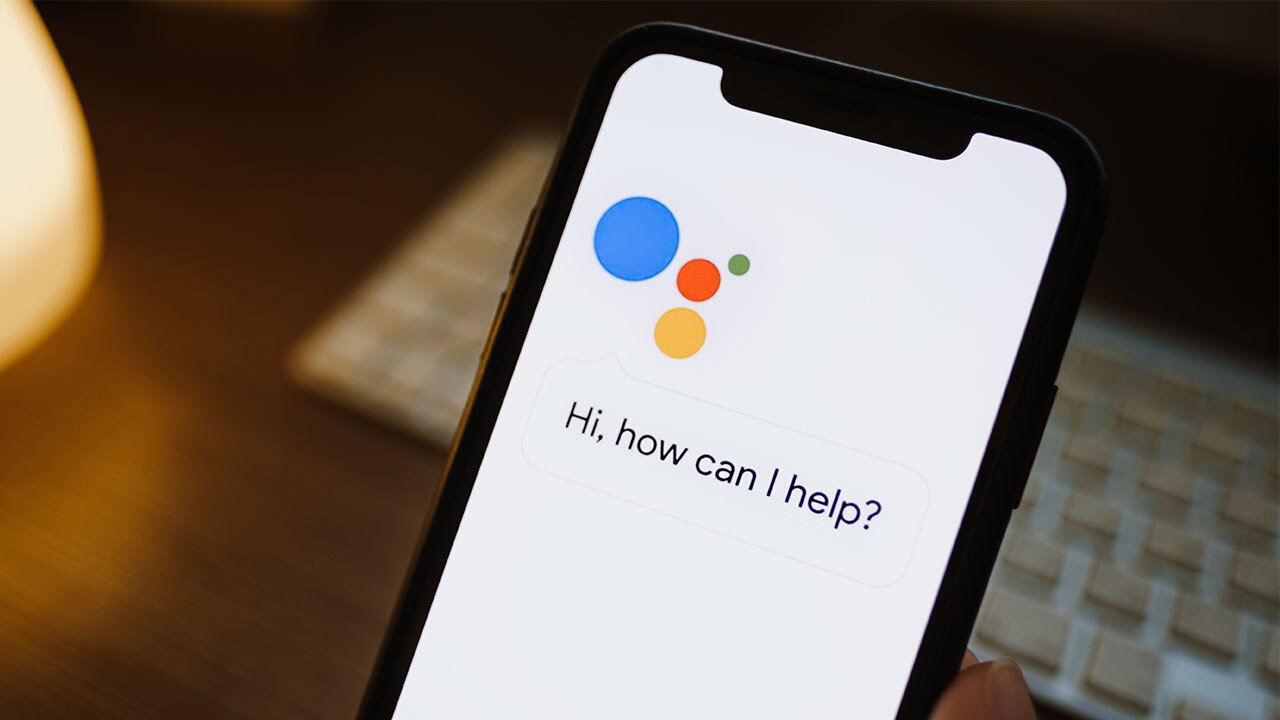
Hey Google, How Do I Rank #1?
Search engines are changing — and fast. More people are turning to voice assistants for quick answers, from finding local cafes to asking questions like “what does a digital marketer do?” For marketers, this shift opens up a challenge: how do you stay visible in a world where users don’t type, they talk?
If your brand isn’toptimised for voice search, you could be missing out on a large slice of potential traffic. It’s not just about keywords anymore. You need to think about how people speak. Spoken queries are more conversational. They’re also more likely to be questions. That means optimising for voice also means aiming for featured snippets — the short, direct answers that Google reads out loud.
Voice search is growing. In Australia, voice assistant usage is on the rise, with 29% of households using a smart speaker as of 2023, according to a report by Voicebot.ai and the ACCC. For marketers, this means voice-first content can no longer be an afterthought. It has to be baked into your digital marketing plan from day one.
Why Featured Snippets Matter
A featured snippet is the highlighted text box that appears at the top of some Google search results. It’s often referred to as “position zero” because it ranks even above the first result. These snippets are especially important for voice search, because they are usually what voice assistants read aloud in response to a query.
You don’t need to be a tech giant to win a snippet. What you do need is well-structured, clear content that answers a specific question. The easier it is for Google to pull a short answer from your page, the more likely you are to be featured.
How to Optimise for Voice and Snippets
Here are a few ways you can adjust your digital content to suit the way people search today:
- Use natural language: Write like you speak. Answer real questions that your audience might ask.
- Focus on long-tail keywords: Voice searches tend to be longer than typed ones. Instead of “digital marketing,” try “what is digital marketing and how does it work?”
- Structure your content clearly: Use headers and bullet points. Make your answers easy to find.
- Answer FAQs: Dedicated FAQ sections are a goldmine for voice search.
- Keep answers concise: Aim for 40–60 word responses for potential snippet spots.
These steps work well as part of a wider strategy to get found online. If you’re thinking about becoming a digital marketer, it’s a great career option as it blends digital tools and creative thinking. It’s also a growing industry with plenty of ways to upskill.
What Role Does Content Play?
Your content is everything. It needs to answer questions clearly, be formatted correctly, and include the types of queries people actually speak. Think of your website as a place people can go for answers. If your content does that, Google is more likely to put it in a featured snippet — and that means your answer could be the one read out loud by a voice assistant.
Consider also how different paths can lead to a career in content. Recent studies show marketing is a great career to pursue, and the industry is only getting bigger. Some people explore creative routes like branding or social media. If you’re weighing your options, learning how digital tools shape communication today can be a strong foundation.
Final Thoughts
If you want to rank in voice search, stop writing only for screens. Write for ears. Make your answers clear. Keep your structure tidy. Choose long-form questions. These simple changes can help your content go further — literally into people’s homes, cars, and smart devices.
As more Australians embrace voice search, it’s worth asking: what would Google say about your website if someone asked out loud?

Alexia is the author at Research Snipers covering all technology news including Google, Apple, Android, Xiaomi, Huawei, Samsung News, and More.