What Are the Best Smart Tools to Keep Tenants Safe?

Property safety has never been more critical for landlords and property managers. With tenant expectations rising and liability concerns growing, smart safety tools have become essential investments rather than optional upgrades. These technologies reduce insurance costs, minimize vacancy rates, and create competitive advantages in today’s demanding rental market.
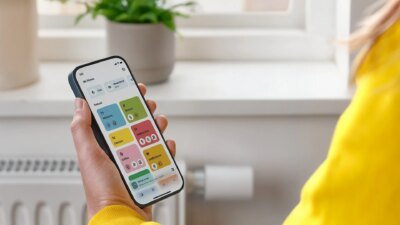
58% of renters prefer properties with smart home capabilities, emphasizing the need for modernization. Smart safety solutions offer comprehensive protection while streamlining property management tasks for busy landlords.
Essential Smart Security Camera Systems for Rental Properties
Video surveillance forms the backbone of modern property protection, providing visual oversight that supports all other safety measures. Today’s camera systems offer far more than basic recording; they deliver intelligent monitoring that can prevent incidents before they escalate.
Business Security Cameras: Comprehensive Property Surveillance
When it comes to overseeing multiple zones and ensuring thorough safety, business security cameras are integral. Property owners require robust monitoring solutions that can adapt to multiple areas and integrate seamlessly with existing management platforms.
Utilizing a commercial security system tailored for rentals often includes business security cameras designed to withstand outdoor elements, monitor hallways, and cover parking lots. These systems often feature cloud storage for footage, which guarantees that video evidence can be retrieved even in cases where local devices might have been compromised.
For multi-zone oversight, utilizing business security cameras in common areas, points of entry, and exterior spaces is essential, and their ability to discern between routine behavior and suspicious activity helps cut down on unnecessary alarms while always maintaining high-level vigilance.
Best Security Cameras for Business: Indoor vs. Outdoor Solutions
The deployment of the best security cameras for business involves strategically placing indoor units in shared halls and lobby areas, always being mindful of tenant privacy, especially away from private spaces. For outdoor surveillance, these cameras must provide weather resistance, have night vision, and utilize durable, tamper-resistant casings.
Notably, the best security cameras for business applications are expected to support features like ultra-high resolution, audio communication both ways, and seamless smartphone connectivity for around-the-clock remote monitoring.
Additionally, live video monitoring can bring an extra layer of protection to your surveillance strategy. With live video monitoring, trained professionals observe your business security cameras in real-time, assessing situations promptly and, if needed, working in tandem with law enforcement.
By integrating access control systems with business security cameras, property owners can achieve a layered security approach, thereby fully preventing unauthorized access.
Advanced Access Control Systems
Smart locks and entry systems have evolved far beyond basic keyless convenience. Modern access control integrates biometric scanning, temporary codes, and multi-factor authentication to ensure only authorized individuals can enter your property.
Smart Lock Technology Beyond Basic Keyless Entry
Today’s smart locks offer fingerprint recognition, proximity card access, and smartphone-based entry with geofencing capabilities. These systems automatically generate audit trails, showing exactly who accessed which areas and when. Property managers can issue temporary codes for maintenance workers and automatically expire them after completion.
Multi-Factor Authentication for High-Security Areas
Sensitive areas like utility rooms or storage facilities benefit from multi-layered authentication. Combining proximity cards with PIN codes or requiring both smartphone verification and physical presence creates robust security barriers.
Emergency override capabilities ensure landlords can access properties during crises while maintaining detailed logs of all entries. These systems integrate seamlessly with home security cameras, so each access event is accompanied by visual authentication thanks to connected footage.
Internal emergency detection systems complement access control by monitoring for threats that develop inside secured areas.
Emergency Detection and Response Systems
Fire, flood, and medical emergencies require immediate detection and response capabilities. Modern systems go beyond traditional smoke alarms to provide comprehensive threat monitoring with instant notifications.
Next-Generation Fire and Smoke Detection
Smart smoke detectors connect to building-wide networks, sending alerts to tenant smartphones and property management dashboards simultaneously. Heat sensors provide early fire detection in areas where smoke alarms might trigger false positives, such as kitchens or workshops.
Water Leak Detection and Prevention
Water damage can devastate rental properties within hours. Smart sensors placed near water heaters, under sinks, and in basements detect moisture immediately and can trigger automatic water shut-off systems. 90.2% of property managers use accounting software, highlighting existing technology adoption levels. (https://www.bookingninjas.com/blog/overcoming-technology-adoption-barriers-in-property-management) This tech-savvy foundation makes emergency system integration much smoother.
Medical Emergency Response Integration
Vulnerable tenants benefit from panic button systems and fall detection sensors that automatically contact emergency services. These systems can notify designated family members while coordinating with local responders.
While internal monitoring protects against emergencies inside the property, perimeter security creates the first line of defense against external threats.
Perimeter Security and Entry Monitoring
Property boundaries need intelligent monitoring that can distinguish between legitimate visitors and potential threats. Smart doorbells and window sensors create comprehensive perimeter awareness.
Smart Doorbell and Intercom Systems
By integrating with security cameras for business, modern AI-powered doorbells not only recognize known individuals but also keep track of deliveries and facilitate two-way conferencing, thereby improving visitor management and deterring package theft.
Window and Door Breach Detection
Magnetic sensors, glass break detectors, and vibration monitors provide comprehensive entry point protection. These systems offer silent alarm options for covert monitoring and can differentiate between accidental contact and forced entry attempts.
Physical security measures address human threats effectively, but environmental hazards require specialized detection systems that monitor air quality and toxic exposures.
Smart Safety Communication Platforms
Individual safety systems reach their full potential when they communicate seamlessly with tenants, property managers, and emergency services through integrated platforms.
Tenant Safety Apps and Portals
Dedicated safety apps provide one-touch emergency alerts, incident reporting with photo documentation, and community safety forums. These platforms send seasonal safety reminders and facilitate neighbor watch programs that strengthen community security.
Landlord Management Dashboards
Centralized monitoring dashboards display real-time safety system status, automated compliance reports, and predictive maintenance alerts. These platforms calculate tenant safety scores and provide analytics that help identify potential problem areas before incidents occur.
Universal safety principles apply across rental properties, yet different property types face unique challenges requiring specialized approaches.
Property-Specific Safety Solutions Comparison
| Property Type | Key Safety Focus | Essential Tools | Unique Challenges |
| High-Rise Apartments | Evacuation routes, elevator safety | Stairwell cameras, emergency lighting | Multiple exit coordination |
| Single-Family Homes | Perimeter security, isolated location | Full exterior camera coverage | Limited neighbor oversight |
| Student Housing | Party monitoring, substance detection | Noise sensors, enhanced access logs | High turnover, lifestyle factors |
Legal compliance establishes the framework for safety system implementation, ensuring your protective investments don’t create liability issues.
Legal Considerations and Future-Proofing
Privacy laws vary significantly by location, requiring careful camera placement and clear tenant disclosure. Systems must store data securely and provide tenants with access to footage involving their spaces.
Future safety technologies will incorporate AI-powered predictive analytics, expanded IoT sensor networks, and 5G connectivity for enhanced system capabilities. Planning for these advances ensures your safety investments remain effective as technology evolves.
Common Questions About Smart Tenant Safety Tools
Can you put a security system in a rental?
In general, tenants are allowed to install security devices like alarms and cameras inside their rental property, as long as the devices don’t record shared or common spaces.
What is the best smart home equipment?
TP-Link Tapo cameras, Arlo Video Doorbells, Ultraloq smart locks, ADT Command systems, Vivint Smart Home, SimpliSafe security systems, and Amazon Echo devices lead current recommendations.
How much do smart safety systems cost for rental properties?
Initial investments range from $2,000-$15,000 per unit, depending on system complexity, with potential rental premium increases of 8-15% offsetting costs within 2-3 years.

Alexia is the author at Research Snipers covering all technology news including Google, Apple, Android, Xiaomi, Huawei, Samsung News, and More.