5 Warehouse Rack Safety Habits That’ll Save You From Big Problems
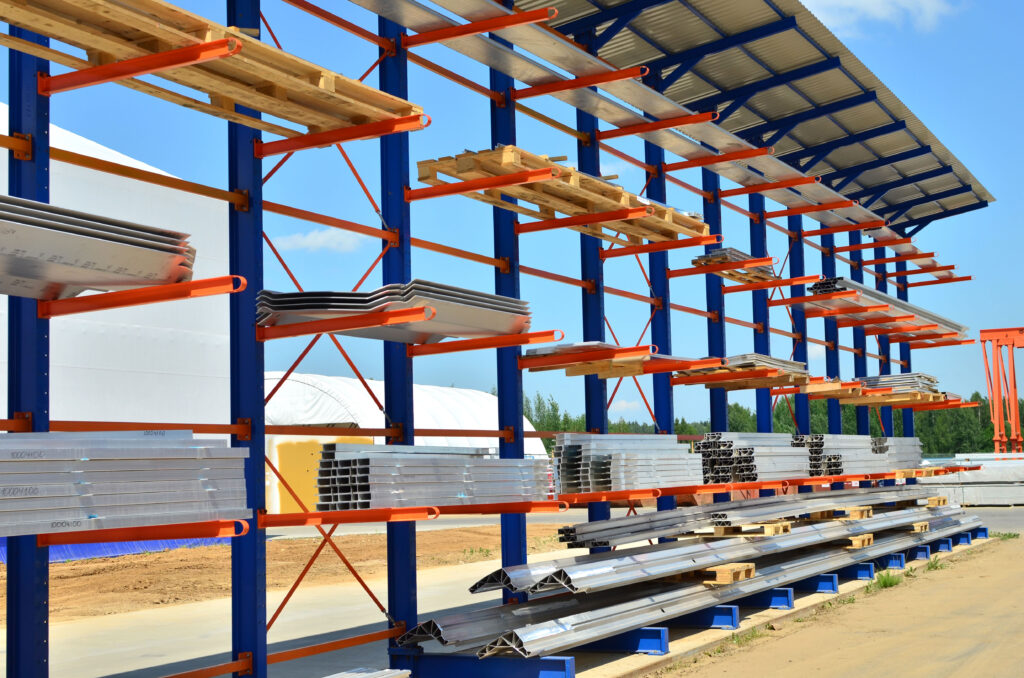
Let’s keep it simple: if you make these five things a habit in your warehouse, you’ll almost never deal with catastrophic rack failures, downtime, or messy accidents.
The truth is, collapses of warehouse pallet racks don’t happen out of nowhere. They’re the result of skipped steps, ignored warning signs, or “I’ll get to it later” decisions. The good news? You don’t need complicated systems to prevent them. Just consistency.
So here’s the playbook: do these five things, turn them into a routine, and you’ll save yourself a ton of headaches (and money) down the road.
1. Start With the Correct Installation of Warehouse Racking
If you’re ordering new racks, don’t gamble on whoever’s cheapest or “knows a guy.” Always use verified installers with a portfolio of projects – especially if you’re in a seismic zone. Earthquake-prone areas need proper anchoring and reinforcement. If that’s skipped, you’re setting yourself up for disaster.
Now, what if your racks are already installed? Simple: walk your warehouse. Yes – all of it. Don’t just glance at a few rows. Check every upright. If even one rack is leaning or tilted, it can pull others down with it like a house of cards.
Pressed for time? Totally fine. Hire an inspection crew. They’ll mark the racks that are out of alignment and give you a clear list of what needs fixing. We’ve done this for clients before, and it’s way easier than pretending the problem isn’t there.
Bottom line: proper installation and alignment is step one. Whether it’s new racks or old ones, check them. If you’re too busy, get someone who will. This also ensures you’re making the most of available storage space without risking violations of OSHA guidelines.
2. Respect Pallet Racking Load Capacity
Next up: load capacity. This one gets ignored a lot, but it’s the fastest way to wreck your system.
Here’s the rule: if a beam is sagging under weight, it’s not okay. Unload it immediately. Pallet racks are designed with specific load limits, and once you exceed them, you’re gambling with both product and people.
It gets even trickier when your system is a mix – some racks from one manufacturer, others bought used, others added later. Not all steel is created equal, and not all beams handle weight the same. Add in the fact that metal fatigues over time (yes, like people do), and suddenly those beams aren’t as strong as the day they were installed.
That fatigue shows up as tiny cracks, invisible under paint. When stress piles up—boom, collapse.
What to do:
- Know the rated load of each rack section.
- Inspect for sagging beams and pull the product immediately if you see it.
- Reorganize inventory so heavy loads are where they belong.
3. Mark, Label, and Train Your Team
Here’s where a lot of warehouses drop the ball: clear signage and proper training.
Every rack should have a visible capacity plate. Not hidden behind a pallet, not taped on and falling off—posted clearly at eye level. That way, your forklift operators aren’t guessing where to put a heavy pallet.
And signs alone aren’t enough. You’ve got to back them up with training. Run warehouse safety trainings regularly (not just once during onboarding). For forklift operators, refreshers are a must.
Encourage everyone on your team to treat racks like their own car. Before you drive, you check your tires, oil, and gas. Same idea here: look for dents, rust, or damage. If they see something, they report it right away. A two-minute check now saves you from a multi-day shutdown later.
Habit to build: make signage and a training routine. It keeps everyone aligned and makes rack safety second nature.
4. Replace Damaged Parts (Don’t Patch and Pray)
Here’s the thing about damaged components: some parts can be replaced outright, others can be reinforced or protected, and some are still safe to use as-is. The best way to know for sure? A proper inspection.
Most professional inspectors today use a simple traffic light tagging system to make decisions clear at a glance:
- Green – Safe to Use. The rack is in good condition and approved for regular use without restrictions.
- Yellow – Needs Monitoring or Adjustment. The rack shows minor issues. You may need to unload it, redistribute weight, or reinforce the structure to keep it safe.
- Red – Replace Immediately. The rack is unsafe. It must be unloaded and removed from service right away until it’s repaired or replaced.
If, after inspection, you see a red tag, that section is non-negotiable—it needs to be replaced. Yellow tags mean you’ve got some flexibility, but don’t ignore them. Overloaded or fatigued racks can go from yellow to red quickly if nothing changes. Green means you’re good to go, but even then, keep up with regular checks.
That’s why you need to think about replacement options before you even buy racks.
Ask your supplier:
- Which parts are replaceable?
- How long will you support these components?
- What happens if a beam gets bent or an upright gets hit?
If your racks are already installed, make a list of damaged components. Find out which ones can be swapped, reinforced, or restored—and which can’t. Many parts can be replaced, and sometimes reinforcement (like adding a safety guard) makes sense. But don’t rely on makeshift fixes. Welding a cracked beam isn’t a long-term solution.
Also check whether your supplier is still in business. If they’re gone, sourcing compatible replacement parts might be a challenge. Better to know that now than when you’re facing an urgent repair.
Golden rule: replace, don’t patch. And work with suppliers who’ll be around to support you.
5. Inspect Regularly (Make a Checklist)
Finally: inspections. This is your ongoing insurance policy against rack failure.
Here’s how to approach it:
- Frequency: At least once a year is the bare minimum. Quarterly is better. If your inventory changes—say you switch from storing beverages to heavy machine parts—inspect right away.
- What to check: Uprights, beams, safety clips, base plates, anchors, and any signs of impact. Loose bolts, bent frames, rust, or sagging beams are all red flags.
- How to check: Use a checklist. You can make your own or grab one of the many templates available. The point is to keep inspections consistent.
If you’re short on staff or want a professional eye, bring in a third-party inspector. They’ll give you peace of mind and help you stay OSHA-compliant.
Remember: inspections cost a little time and money. Rack collapses cost a lot more. Regular checks also help you stay compliant with OSHA guidelines.
Sum-up
None of this is rocket science. It’s about building habits:
- Install correctly (and check alignment often).
- Respect load capacities.
- Post signage and train your people.
- Replace damaged parts the right way.
- Inspect regularly.
Do these five things, and you’ll avoid the kind of warehouse disasters that make the evening news.
It’s not about being perfect—it’s about being consistent. Make these steps routine, and you’ll have racks that last longer, a safer crew, and a warehouse that runs smoother every single day.

Alexia is the author at Research Snipers covering all technology news including Google, Apple, Android, Xiaomi, Huawei, Samsung News, and More.