Digital Twins in Aluminum Fabrication for Smart Factories
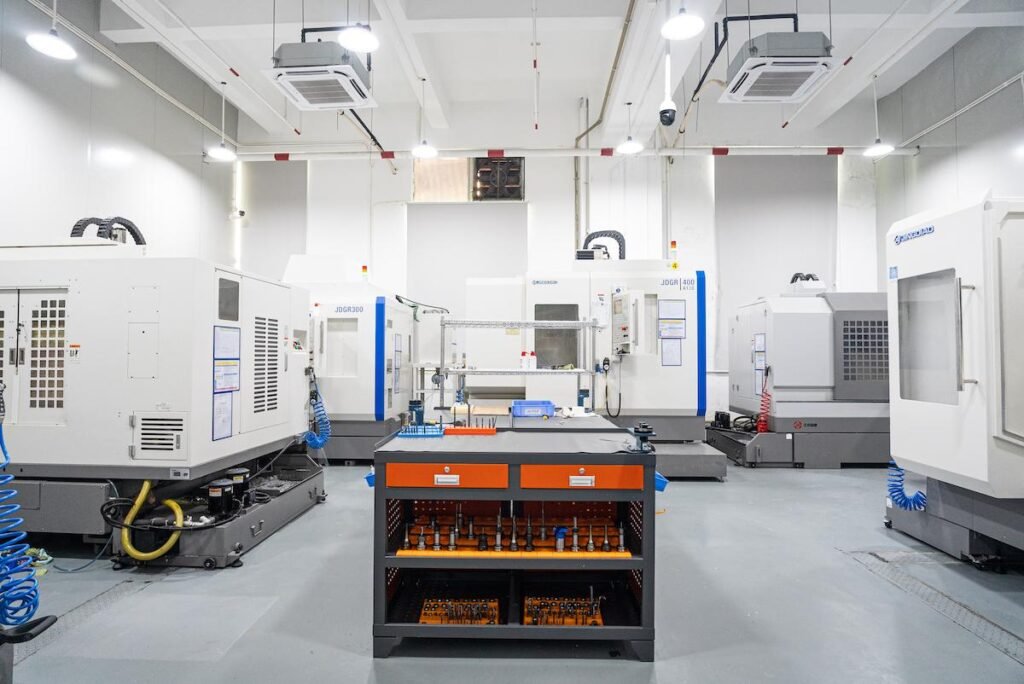
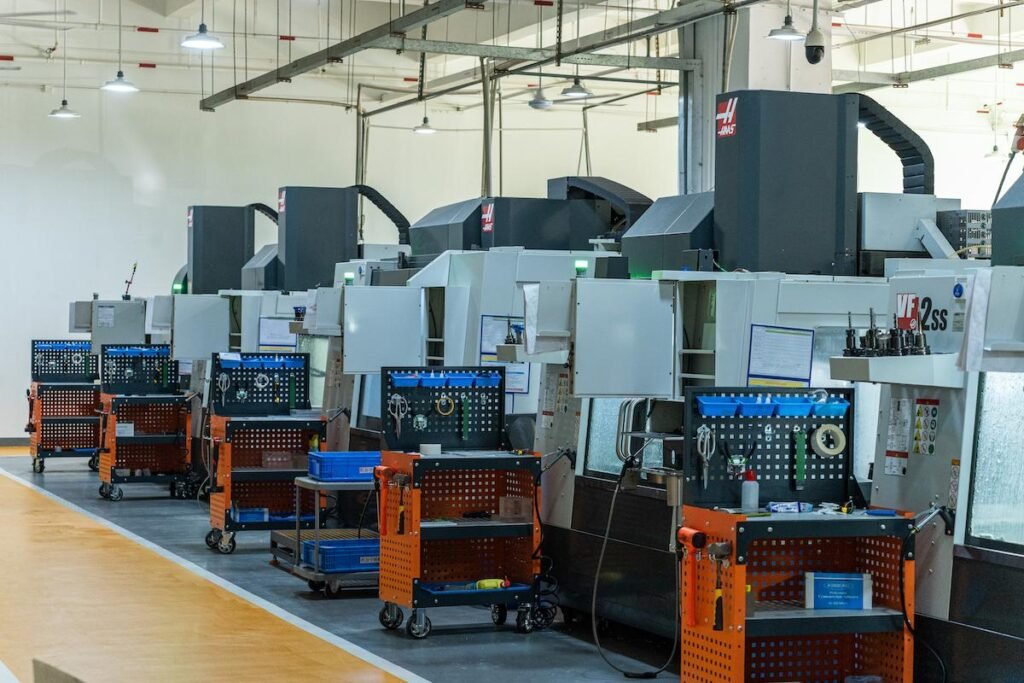
Digital manufacturing is already gaining momentum and aluminum manufacturing is between a rock and a hard place in integrating the digital twin application. Digital twins allow simulating, monitoring, and optimizing the workflows of aluminum fabrication in real-time by making an accurate, digital copy of a physical process, product or system. Digital twins are transforming the way precision, throughput, and lifecycle processes are performed in smart factories where CNC machining services already play an enormous role.
The Digital Twins Conceptual Framework
In essence, the digital twin is an active information-driven model which is continually updated to align with its physical counterpart. In aluminum fabrication, these would, apart form the 3D geometry of parts, also comprise the process parameters, machine condition, tool wear models and the quality inspection outputs.
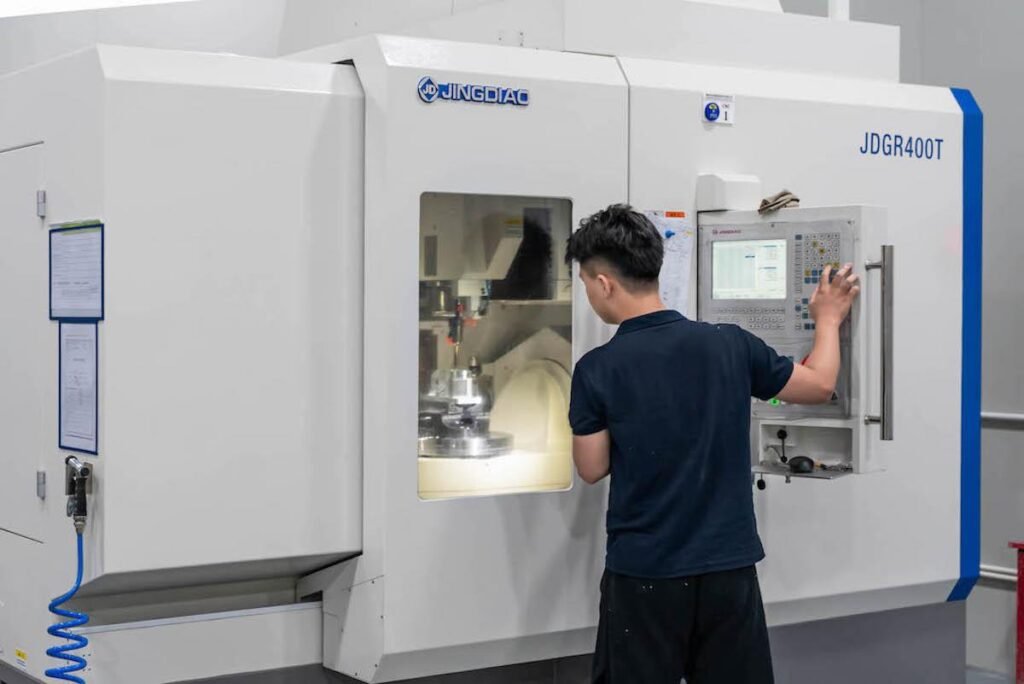
Digital twins are especially powerful with CNC aluminum machining. They record the tool paths of machining, feed rates, spindle loads and thermal expansion monitors and can then achieve the predictive control possible as a result of using dynamic data.
A high-fidelity digital twin integrates three primary layers:
- Physical Layer – CNC machines, robotic arms, fixtures, and sensors on the factory floor.
- Virtual Layer –Real-time simulation models which reflect the process physics and the conditions of production.
- Data Connectivity Layer – IoT-enabled feedback loops carrying sensor data to the virtual model and carrying optimized control commands back.
Integrating Digital Twins into CNC Aluminum Fabrication
In CNC machining services, the integration is carried out in a path system:
- Under Multi-Flux: Data Acquisition: Sensitive sensors measure vibration signatures, temperature profiles and spindle torque measurements during Milling or Turning motor operation.
- Modeling and Calibration: The simulation of an aluminum alloy surface finish and removal rates are simulated through physics-based chip formation and machine specific calibration.
- Constant Synchronization: The twin can be updated in milliseconds through industrial Internet protocols such as OPC UA or MTConnect, making them perfectly correlated with their actual counterparts.
- Control and Optimization: Tool paths, coolant flow, and feed rate are optimized in real-time by algorithms to minimize chatter, decrease tool wear, and go along and enhance surface integrity.
In the case of CNC aluminum machining such synchronization eliminates problems such as heat distortion, variation in tolerances and unscheduled down times.
Benefits Specific to Aluminum Fabrication
While digital twins have applications across materials, aluminum presents unique benefits:
- Thermal Expansion Compensation – Aluminum’s high thermal conductivity and expansion coefficient can lead to dimensional drift during high-speed machining. Digital twins can predict and counteract these shifts in real-time.
- Surface Finish Optimization – Because many aluminum components require tight surface roughness specifications, the twin can simulate and preemptively adjust parameters to avoid post-process refinishing.
- Material Utilization – Accurate cutting simulations reduce scrap, essential in high-volume aerospace and automotive parts manufacturing.
These advantages are amplified in CNC machining services, where consistent quality and cycle time reduction translate directly into profitability.
Enabling Predictive Maintenance
Digital twins are much more than real-time process optimization; their most significant contribution to the aluminum manufacturing industry is being able to create predictive maintenance. They monitor an ongoing flow of high-fidelity machine data to identify micro-level deviations well before they morph into disasters. As an example, accelerometers can perform vibration analysis to predict spindle bearing wear in the weeks, or month ahead due to the cutting load profiles delivered via torque sensors.
This is crucial detection in CNC aluminum machining. Spindle bearings, ball screws and high-speed tool holders will wear in a variety of manners due to the speeds of cutting materials, whether coolant is used and various grades of alloys. The digital twin constantly matches the real sensor data against its base state performance models instantly raising alerts to anomalies. This will permit maintenance crews to perform interventions just when it is suitable- before failures result in new pieces, and before part failures create instantaneous shutdowns.
Another serious benefit is the prediction of tool wear. The twin can use the tool-life charts of the cutting tools, not based on an inactive tool-life graph, but does this use real cutting conditions, material hardness and time of use. With the CNC machining services the precision of this is that the tools are retired right at the wear limit eliminating waste that is a result of dimensional drift or surface defects at the same time that it maximizes cost-effective tool use.
Integration with AI and Machine Learning
In low-volume, high-mix processes, typical in aerospace-grade aluminum work, machine learning augments the capabilities of digital twins. Training AI models on historical process data, the system also learns the nonlinear and nuanced relationships between process toolpaths, feed rates, and thermal distortion and surface finish quality. In the long run, the twin is able to predict problems and perfect machining tactics.
To take one example, in a CNC machining services setting where they are machining complex aluminum brackets, the twin could independently suggest adjusted entry angles, improved cutting depths or dynamic coolant techniques on past machining of similar shapes. This shortens cycle times, increases tool life, maintains microns-level tolerances and requires no operator input.
Real-World Application Example
Imagine a smart factory that produces bespoke aluminum body of an electric vehicle battery pack. The CNC aluminum machining line of the facility has a digital twin that is connected to each 5-axis machining center. With every housing being made, the twin monitors:
- Dimension accuracies using in-line coordinate measuring machine (CMM).
- Reduced cutting forces measured by implanted dynamometers in the spindle assembly.
- Thermal maps created using infrared imaging sensors.
Once the twin measures an increased chatter frequency or thermal hot spot, it can change feed per tooth, alter the angles of tool engagement or rebalance the coolant flow- before the dimensional accuracy suffers. This closed-loop, in-turn response eradicates scrap, reduces rework, and allows takt times to be predictable regardless of the production loads.
Conclusion
Digital twins are not just a tech-addition anymore; they are taking the center stage in defining the operations within a Smart Factory when it comes to the production of aluminum. Integrating the physical and virtual world allows them to achieve unattainable control, forecasting, and adaptable optimization in CNC machining services. The use of digital twin technology in CNC aluminum machining will move out of competitive advantage and into the technological standard as manufacturers increase their throughput, tolerances, and environmental responsibility concerns.

Alexia is the author at Research Snipers covering all technology news including Google, Apple, Android, Xiaomi, Huawei, Samsung News, and More.