The Evolving Landscape of Technology: Embracing Innovations and Overcoming Challenges

Technology can be described as a dynamic and changing discipline, which has already revolutionized all sectors of our society, which include our communication, working and entertaining ways. The unstoppable flow of technological innovation is not only transforming the industries, but also changing cultures and lifestyles all over the world. This paper examines some of the major trends in technology, the effects of innovations, and the issues that emerge as we adjust to the fast moving world.
The emergence of Artificial Intelligence
The Artificial Intelligence (AI) has turned out to be one of the most influential technologies of the 21 st century. Applications of AI are everywhere, including the healthcare, financial, and entertainment industries based on machine learning algorithms or natural language processing. Among the well-known examples is AI in medical diagnostics. AI has the ability to analyze a plethora of data in medical records and other imaging studies much more efficiently and accurately than human physicians and may result in earlier disease identification and tailored treatment recommendations.
Moreover, AI is transforming customer service by chatbots and virtual assistants, which have 24/7 support. These systems not only give businesses the chance to improve their operational efficiency, but they also provide businesses with a better customer experience. Nevertheless, the emergence of AI also brings up the issue of ethical and privacy, especially in the context of data safety and the possibility of bias in decision-making algorithms.
The Internet of Things (IoT)
Another revolutionary technology that links ordinary things to the internet and allows them to communicate is the Internet of Things (IoT). Such connectivity can be improved to the work of devices, such as smart home appliances or industrial machines. An example of this is smart thermostats that can learn user preferences and maximize their use of energy which will save them money and will save more energy.
The IoT further is also significant in smart cities, in which connected sensors may be utilized to control the amount of traffic, which can enhance city infrastructure. Nevertheless, IoT devices also create serious security issues as they proliferate. Having millions of connected devices, the threats to personal and organizational information are under threat as cybersecurity breaches may take place.
Data Storage and Cloud computing
The concept of cloud computing has completely transformed the manner in which companies store and handle information. With the use of a cloud platform, organizations are able to utilize the resources that are scaled without requiring major initial investments in hardware. It is a flexibility that enables businesses to adapt fast to new needs and environments. Remote working has also been made possible by cloud technology since the workers can work anywhere in the world and collaborate.
Nonetheless, this move towards the cloud computing poses challenges in terms of privacy and compliance of data. Businesses need to take care of their information security against unauthorized people and comply with laws like GDPR. The need to have solid cybersecurity systems is becoming more urgent as more companies transition to cloud platform.
The Impact of the Blockchain Technology
Cryptocurrencies and the technology they are built on, blockchain has become popular in the non-financial sector. It provides an uncentralized and safe way to store transactions, which makes it appealing to a wide range of applications, both supply chain management and healthcare. As an example, within supply chain management, blockchain can bring some transparency so that all the participants can check the genuineness and origin of products.
Blockchain has challenges such as scalability and regulation even though it has the potential. These issues will have to be resolved as the technology matures so as to achieve its full potential in the mainstream applications.
VR and AR New Realities of Experience
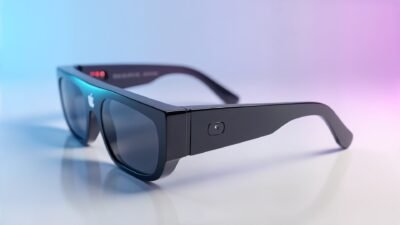
VR and AR are transforming the nature of our entertainment and educational experiences and even professional training. VR transfers the user to fully digital worlds, which opens the potential of its use in computer games, simulation training, and virtual travel. AR, meanwhile, augments the real world, which allows the user to interact with the digital world and the real world.
Other industries that have been using these technologies include the real estate industry where prospective buyers are able to take virtual tours around the property and in education where the students are able to have an interactive learning experience. Nevertheless, the expensive nature of VR and AR devices may be a factor that hinders the mass usage, and creators must invest in producing engaging and quality experiences to appeal to the users.
The Role of Cybersecurity
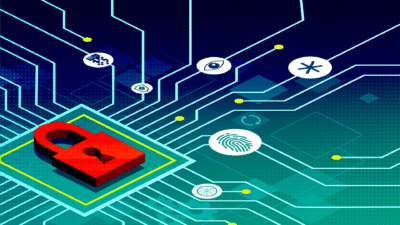
With the further development of the sphere of technologies, the role of cybersecurity cannot be overestimated. As more sensitive data is digitally stored, cyber threats have become more advanced and common. Organizations should be proactive towards cybersecurity by putting up stringent measures to foil any form of attack.
In addition, remote work has increased the attack range of cybercriminals. Companies should make sure that their employees can readily access corporate resources, and it might entail the adoption of Multi-Factor Authentication (MFA) and Virtual Private Networks (VPNs). Another factor that is important when it comes to creating a cybersecurity awareness culture among employees is training them on best security practices.
Ethical Implications of Technology
As technology continues to evolve at a very high rate, ethics is turning out to be an issue of concern. Since it is observed in AI, there is a possibility of bias in algorithms and decision-making processes which questions the issues of fairness and responsibility. Moreover, the question of data privacy is more than ever, especially at times when companies gather a tremendous amount of personal data.
Technologists, policymakers, and consumers are faced with the challenge of holding responsible conversations about the use of technology. It would be beneficial to establish a set of ethical standards and regulations to make sure that the innovations can be advantageous to the entire society and minimize the possible negative impact.
The significance of the Education and Workforce Development
With the changing technology, there is a high demand of skilled employees in different sectors. The education systems should be flexible enough to equip students with a competence that could enable them to survive in the economy, which is technology-driven. This involves the encouragement of STEM (Science, Technology, Engineering, and Mathematics) education, and thoughtfulness and creativity.
Another way in which workforce development initiatives can be used is in upskilling workers who are already in the workforce as a way of keeping them relevant in an ever-changing employment environment. Educational institutions can work with businesses to fill the skills gap and equip students with the future jobs.
Conclusion: Sailing the Future of Technology
Technology has a huge potential and dilemma in the future. The opportunities are unlimited in the area of AI and IoT, blockchain, or even cybersecurity. But, in this changing environment, we should also remember the ethical, privacy, and security consequences of the technological changes.
Being an element of the technological ecosystem, software like KMSpico Windows Activator can demonstrate how tricky the modern world of software licensing and activation can be. Although they offer answers to software management, they also raise the intellectual property and legal concerns.
In short, adoption of technological innovations will be a joint effort between all the stakeholders such as the developers, the businesses, the educators and the consumers. We can utilize the capabilities of technology to build a more improved and fair future by developing an innovative atmosphere and focusing on moral matters and safety.

Alexia is the author at Research Snipers covering all technology news including Google, Apple, Android, Xiaomi, Huawei, Samsung News, and More.