Apple Reportedly Bringing Variable Aperture Camera to iPhone 18 Pro: A Feature Samsung Once Abandoned
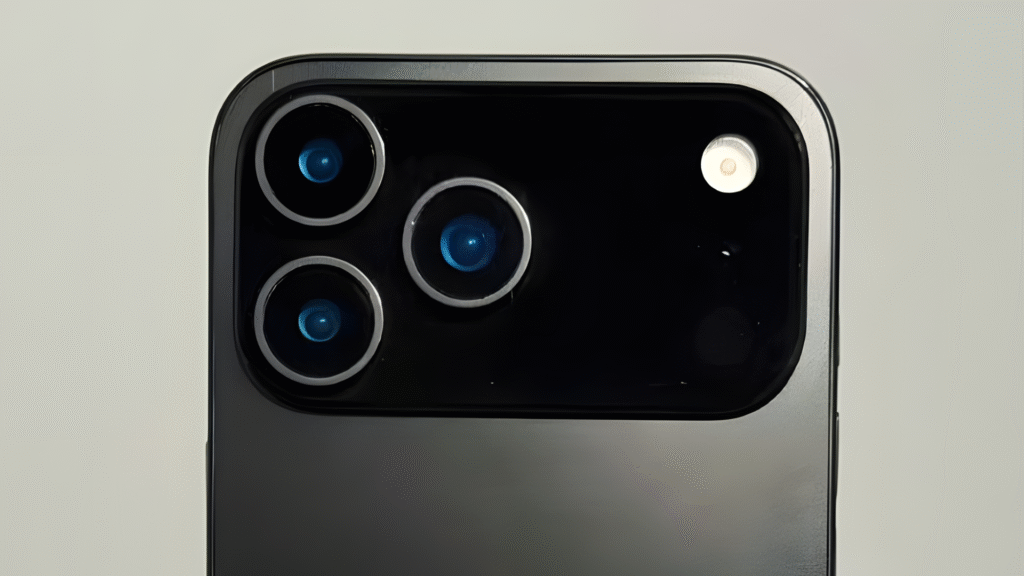
Evidence from the production chain suggests that Apple could use a camera with a variable aperture for the first time on the iPhone 18 Pro. The technology was used in Samsung smartphones years ago, but was abolished.
Apple plans camera revolution for iPhone 18
A month ago there were rumors about a smaller Dynamic Island on the iPhone 18, which would also affect the camera size. If current reports prove true, Apple could also introduce camera technology in the iPhone 18 Pro that Samsung rejected years ago. Because, as it was already said at the end of 2024, Apple allegedly has plans for a camera with a variable aperture in the Pro models of its iPhone generation, which will be released in 2026. As reports from the production chain now suggest, the technology will be used in several iPhone 18 models.
Reported ETNews (via Mac Rumors), however, only the main camera of the iPhone 18 Pro and Pro Max should be equipped with the variable aperture, as this is the most commonly used. Manufacturers LG Innotek and Foxconn will manufacture the camera, while Luxshare and Sunny Optical will supply the actuator, which is a key component for the aperture mechanism.
How variable aperture works
A variable aperture works like the iris of the human eye and automatically adjusts to the lighting conditions. In low light conditions, the aperture opens wide to capture more light, while in bright conditions it closes to prevent overexposure. Additionally, the aperture size influences the depth of field of a photo. A larger aperture creates a greater blur effect in the background. The technology allows photographers to gain creative control over image composition without relying on external apps or post-edit editing. Professional cameras have been using variable apertures as standard for decades, while smartphones have mostly relied on fixed aperture values.
Samsung as a pioneer
Samsung was the first manufacturer to use variable apertures. After using it on the Galaxy S9 and S10 models in 2018 and 2019, the Koreans discarded the technology again. The Galaxy S9 was able to switch between f/2.4 and f/1.5, with the wider aperture only activated in light below 100 lux. At the time, the implementation of the bezel mechanism in a smartphone was considered a technical masterpiece. Samsung justified the abandonment of the technology in later models with the lack of benefit for most users. The additional mechanical components not only increased production costs, but also made the devices thicker and more susceptible to defects. In addition, image sensors and image processing algorithms improved so much that the advantage of variable apertures became less relevant.
Current competition and future prospects
Although Samsung gave up the technology, other manufacturers such as Huawei, Honor and Xiaomi continue to use variable apertures. The Xiaomi 14 Ultra even has an infinitely adjustable variable aperture that allows for more precise settings between the extreme values. These devices show that the technology remains viable if implemented correctly. If Apple actually installs a variable aperture, it remains unclear at the moment whether users will be able to control the aperture manually or whether the adjustment will be done entirely via iOS algorithms. Previous rumors spoke of the iPhone 17 Pro as the first iPhone with a variable aperture, but these have not come true.