The Role of Structural Engineers in Creating Reliable Engineered Fall Protection Systems
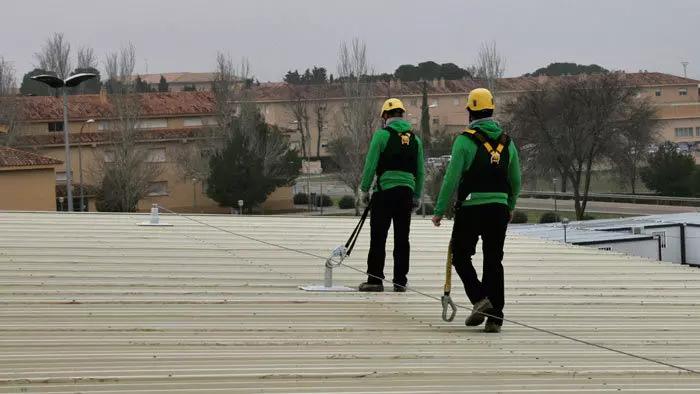
Working at height is an unavoidable part of many industries, from manufacturing to maintenance. When you’re standing on a platform or a roof, the last thing you want to question is the gear holding you. But here’s a critical question: what’s holding the gear? This is the crucial divide between simply buying fall protection equipment and implementing a truly reliable engineered fall protection system. The difference-maker isn’t the harness or the lanyard; it’s the professional who designs the system: the structural engineer. They are, without a doubt, your most valuable asset in creating a system that doesn’t just look safe but is demonstrably, reliably safe.
This article explores the indispensable role of structural engineers in creating dependable fall protection systems that save lives.
Beyond the ‘Kit’: Why Off-the-Shelf Isn’t Enough
It’s tempting to see a 5,000-pound rated anchor bolt at a hardware store and think, “This is all I need.” This is a dangerous assumption. That 5,000-pound rating applies to the anchor itself, but it says nothing about the material it’s being attached to. Is that steel beam, wood truss, or concrete slab capable of handling that force? What about the type of force?
A fall isn’t a gentle pull; it’s a dynamic, violent event. The arresting force generated by a falling worker can be thousands of pounds, delivered in a fraction of a second. A structural engineer doesn’t just guess. They calculate. They understand the difference between a “dead load” (the static weight of the system) and a “live load” (the sudden, dynamic force of a fall).
They analyze the building’s or structure’s existing integrity. They ask the hard questions:
- What is the substrate (steel, concrete, wood)?
- What is its condition, age, and composition?
- What other loads is this structure already supporting (like snow, wind, or heavy machinery)?
An off-the-shelf anchor bolted into a weak substrate is a recipe for catastrophic failure. An engineer ensures the entire chain, from the harness to the building itself, is sound.
The Engineer’s Process: From Analysis to Certification
When you engage a structural engineer for an engineered fall protection solution, you’re not just buying a product; you’re investing in a professional process. This process is the key to reliability.
- Site Assessment and Hazard Analysis: The engineer begins by visiting the site. They don’t just look at a blueprint. They walk the area, identify all fall hazards, and, most importantly, understand how workers do their jobs. What tasks are they performing? How much mobility do they need? This analysis determines what kind of system is appropriate, whether it’s a rigid rail for free movement, a horizontal cable lifeline, or a series of single-point anchors.
- System Design and Load Calculation: This is the core of their work. Based on the analysis, the engineer designs a system that meets and exceeds OSHA standards. They perform complex calculations to ensure every component can handle the maximum potential arresting forces. They determine the correct anchor spacing, cable tension, and structural attachment methods. This design phase is what separates an engineered system from a “non-certified” one.
- Creation of Stamped Drawings: The result of this design work is a set of formal, stamped engineering drawings. This document is your proof of compliance. It shows exactly how the system is to be installed, what materials to use, and what its performance ratings are. These drawings aren’t just a suggestion; they are a legal and technical requirement for a qualified installation.
- Oversight and Certification: Often, the engineer will oversee the installation to ensure their precise specifications are followed. Once the system is installed correctly, they will issue a final certification. This letter or plaque is your legal guarantee that the engineered fall protection system is installed as designed and is fit for its intended purpose.
The ‘Reliability’ Factor: Liability and Peace of Mind
The word “reliable” is key. In the context of safety, reliability means two things: it works 100% of the time as intended, and it’s legally defensible.
From a liability standpoint, a non-engineered system is a black hole. If an incident occurs, the burden of proof is on the facility owner to demonstrate they provided adequate protection. Without an engineer’s stamp, that’s nearly impossible. You are, in effect, gambling with your workers’ lives and your company’s future.
An engineered fall protection system, certified by a qualified structural engineer, shifts this landscape. It is your affirmative defense. It is a clear, documented statement that you did your due diligence, sought professional expertise, and implemented a solution verified to meet or exceed all relevant safety codes.
This provides an incredible peace of mind that cannot be bought off a shelf. It fosters a genuine culture of safety, showing your team that their well-being is not an afterthought but a professionally managed priority. When an engineer puts their professional stamp on a drawing, they are staking their license and reputation on its safety. That’s a level of accountability you simply can’t get anywhere else.

Alexia is the author at Research Snipers covering all technology news including Google, Apple, Android, Xiaomi, Huawei, Samsung News, and More.