Beyond Emergency SOS: Apple Developing Five New Satellite Functions for Future iPhones
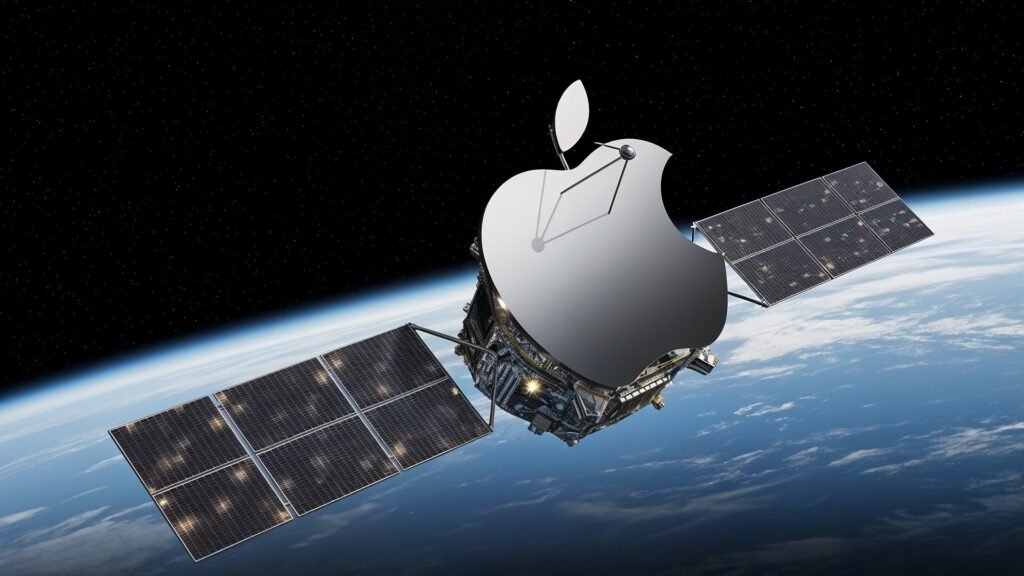
Apple is working on five new satellite functions for the iPhone that go far beyond the current emergency communication. In the future, Apple Maps will work without an internet connection and photos can then be sent via satellite.
New satellite features for the iPhone
Apple is planning a comprehensive expansion of satellite functions for future iPhone generations that goes far beyond the emergency communications that already work. The company is working on five new features that will make the smartphone significantly more versatile even without a conventional cellular or Wi-Fi connection. The first big innovation concerns Apple Maps.
In the future, users will be able to navigate without an internet connection, as the map data will be transmitted directly via the satellite connection. At the same time, Apple is expanding the messaging function: Instead of just text messages, users can also send photos via the satellite connection. The planned API for third-party apps is particularly interesting. Developers gain the ability to integrate satellite features into their own applications.
However, there will be gaps because not all Apple features will be available in this way. The fourth innovation is aimed at more natural use: The iPhone should be able to establish satellite connections while it is in your pocket or in the car, without users having to point the device towards the sky.
But the whole thing will still take some time, because according to the Power On newsletter Bloomberg Many of the planned functions require extensive infrastructure upgrades at Apple’s satellite partner Globalstar, in which Apple has a 20 percent stake.
Hardware improvements for 2026
The 2026 generation of iPhone could already support 5G NTN (Non-Terrestrial Networks), allowing cell towers to use satellites for expanded network coverage. This would give the iPhone full internet access via satellite. This technology represents a significant advancement over the current satellite capabilities available since the iPhone 14.
Apple’s current satellite capabilities utilize the Globalstar network, which consists of 24 satellites in low Earth orbit. This constellation was originally developed for voice communication in the 1990s and was later adapted for data transmission. However, the planned expansions would require significantly higher bandwidth and reliability. Apple is discussing internally whether the company should offer its own satellite service instead of relying on third-party providers such as Globalstar or SpaceX.
However, management is against it because Apple is not a mobile phone provider and should not act as one. The basic functions should remain free, while customers would have to pay directly to the satellite providers for advanced features. Apple sees the free satellite features as a selling point for new iPhones and to retain customers.
The business model is similar to the approach of other Apple services, where basic functions are offered free of charge and premium features are paid for.

Amit Gohar is Technical writer at ResearchSnipers.com, he is well versed Technology News writer, he has completed is MS computer Science in 2020. He can be reached at amit.g@researchsnipers.com