Best Mattresses for Side Sleepers
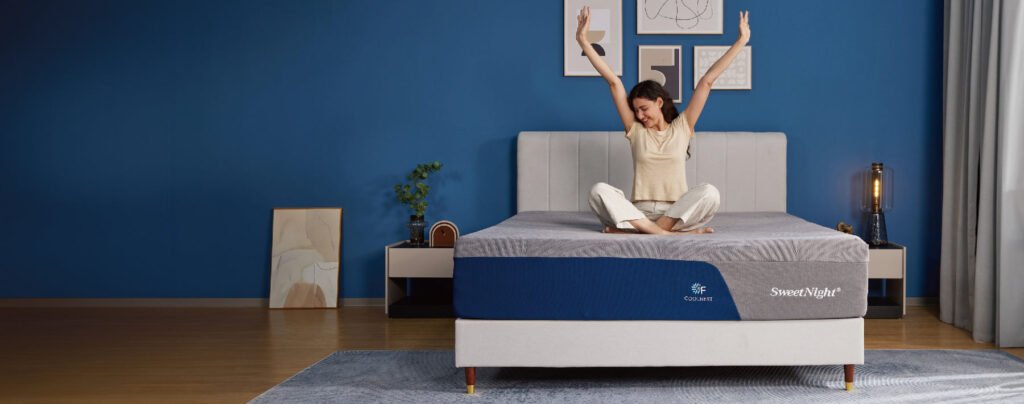
Finding the perfect mattress can transform your sleep quality, especially if you’re a side sleeper. This sleeping position, favored by nearly 60% of adults, places unique pressure on specific body points that demand careful consideration when selecting a mattress. Unlike back or stomach sleepers, side sleepers need a surface that cushions the shoulders and hips while maintaining proper spinal alignment throughout the night.
The wrong mattress choice can lead to morning stiffness, shoulder pain, and disrupted sleep patterns. Your body’s natural curves require targeted support to prevent pressure points from developing where your weight concentrates most. Whether you’re dealing with existing discomfort or simply want to optimize your sleep environment, understanding what makes a mattress suitable for side sleeping is essential. This guide explores the key factors that matter most, from mattress types and firmness levels to support features and budget considerations, helping you make an informed decision that supports restful, rejuvenating sleep night after night.
Understanding Mattress Types
Selecting the right mattress type forms the foundation of quality sleep for side sleepers. Each construction style offers distinct characteristics that interact differently with your body’s pressure points and alignment needs. Memory foam mattresses feature viscoelastic material that responds to body heat and weight, contouring closely to your shape. This adaptive quality makes them particularly effective at cradling the shoulders and hips, distributing pressure evenly across contact points. The material’s slow response creates that signature “hug” sensation many side sleepers appreciate for cushioning comfort.
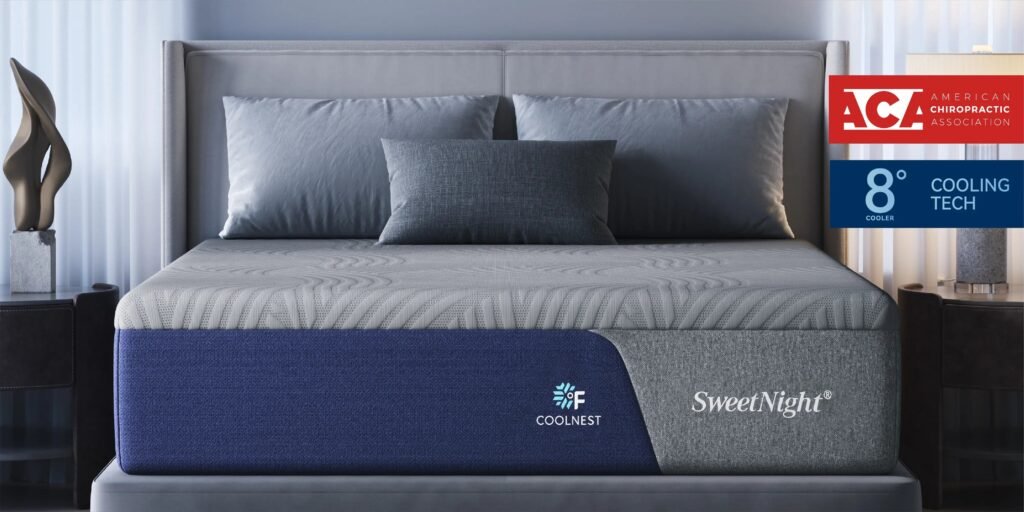
Innerspring mattresses use coil systems as their primary support structure, topped with comfort layers of varying materials. Traditional innersprings offer bouncier support with better airflow, though they may not contour as effectively to side sleepers’ curves. Hybrid mattresses combine pocketed coils with substantial foam or latex comfort layers, delivering both responsive support and pressure relief. This combination addresses side sleepers’ dual needs for contouring at the shoulders and hips while maintaining spinal alignment through supportive coil systems.
Latex mattresses, crafted from natural or synthetic rubber, provide responsive contouring without the deep sink of memory foam. They offer buoyant support that keeps side sleepers from feeling stuck while still cushioning pressure points. Each material type affects temperature regulation, motion isolation, and longevity differently, making your choice dependent on personal preferences beyond just sleeping position. Understanding these fundamental differences helps narrow your search toward consumer choice mattresses that align with both your sleeping style and comfort priorities.
Medium-Firm Mattresses
Medium-firm mattresses strike an ideal balance for most side sleepers, offering enough give to cushion pressure points while providing sufficient support to maintain spinal alignment. Typically rated between 5 and 6.5 on a 10-point firmness scale, these mattresses allow your shoulders and hips to sink just enough to keep your spine in a neutral position without excessive sagging. This firmness level prevents the misalignment that occurs when a mattress is too firm, forcing your body to bridge gaps, or too soft, allowing your midsection to sink disproportionately.
The pressure relief capabilities of medium-firm mattresses address the primary concern for side sleepers: concentrated stress on the shoulder and hip areas where body weight focuses. By contouring to these curves while supporting lighter areas like the waist, medium-firm surfaces distribute your weight more evenly throughout the night. This balanced support reduces the likelihood of waking with numbness, tingling, or soreness in pressure-sensitive areas. Many side sleepers find this firmness level accommodates natural position shifts during sleep without requiring complete adjustment periods.
Consider your body weight when evaluating medium-firm options, as the same mattress feels different depending on your size. Lighter individuals may find the upper end of medium-firm adequate, while heavier side sleepers might need the lower end to achieve proper sinkage. Testing a medium-firm mattress for at least 15 minutes in your typical sleeping position helps determine whether it provides the right combination of cushioning and support for your specific body type and comfort preferences.
Firm Mattresses
Firm mattresses present a challenging proposition for side sleepers, as their reduced conforming ability often conflicts with the pressure relief needs of this sleeping position. Rated 7 or higher on the firmness scale, these surfaces resist sinkage, which can force shoulders and hips to bear excessive weight without adequate cushioning. This lack of contouring frequently leads to pressure point discomfort, numbness in the arms, and misalignment as the spine curves unnaturally to bridge the gap between shoulders and hips. Most side sleepers find firm mattresses uncomfortable within the first few nights, experiencing morning stiffness and interrupted sleep.
However, firm mattresses do offer specific advantages for certain side sleepers. Heavier individuals weighing over 230 pounds may benefit from the enhanced support that prevents excessive sinkage, which can occur on softer surfaces and cause spinal misalignment. The durability of firm mattresses typically exceeds softer alternatives, as denser materials resist sagging and body impressions over extended periods. Additionally, combination sleepers who shift between side and back or stomach positions throughout the night might appreciate the versatility of a firmer surface that accommodates multiple sleeping postures without compromising support.
If you’re considering a firm mattress as a side sleeper, evaluate whether adding a plush mattress topper could provide necessary pressure relief while maintaining the supportive base. This approach allows you to benefit from the longevity and support of a firm foundation while addressing the contouring needs specific to side sleeping, creating a customized sleep surface that balances both requirements effectively.
Memory Foam Mattresses
Memory foam mattresses excel at accommodating side sleepers through their unique ability to mold precisely to body contours, creating customized support that addresses individual pressure points. The material’s temperature-sensitive properties allow it to soften where your body makes contact, enabling shoulders and hips to sink into the surface while firmer foam supports your waist and legs. This targeted response maintains spinal alignment by filling gaps and preventing the bridging effect that causes discomfort on less adaptive surfaces.
The pressure-relieving qualities of memory foam significantly reduce stress on joints and soft tissues, making these mattresses particularly beneficial for side sleepers experiencing shoulder pain or hip discomfort. By distributing weight across a larger surface area rather than concentrating it on narrow contact points, memory foam minimizes circulation restriction and the numbness that often interrupts sleep. The material’s motion isolation properties also benefit side sleepers who share their bed, as movement on one side rarely transfers across the surface to disturb a partner.
Consider potential drawbacks when evaluating memory foam options. Traditional memory foam retains body heat, which may cause discomfort for warm sleepers, though newer gel-infused and open-cell technologies address this concern effectively. The material’s conforming nature can make position changes feel more effortful compared to responsive latex or hybrid options. Testing different memory foam densities helps identify the right balance between contouring comfort and ease of movement for your specific preferences.
Sleep Types and Mattress Choice
Your sleeping habits extend beyond just side positioning, and understanding how you move throughout the night significantly influences mattress selection. Pure side sleepers who remain in lateral positions all night need maximum pressure relief at shoulders and hips, making softer to medium-firm options with substantial contouring ideal. Combination sleepers who alternate between side, back, and stomach positions require more versatile surfaces that support multiple postures without compromising comfort in any single position. A medium-firm hybrid or responsive latex mattress often serves combination sleepers better than deeply conforming memory foam, which can feel restrictive during position changes.
Your body weight dramatically affects how any mattress performs for side sleeping. Lightweight sleepers under 130 pounds typically need softer mattresses in the medium to medium-soft range, as firmer surfaces won’t contour adequately to their lighter frames, creating pressure points and alignment issues. Average-weight sleepers between 130 and 230 pounds find the widest range of options suitable, with medium to medium-firm mattresses generally providing optimal balance. Heavier side sleepers exceeding 230 pounds require firmer support to prevent excessive sinkage that misaligns the spine, making medium-firm to firm mattresses with reinforced edge support more appropriate.
Temperature preferences also factor into mattress choice for side sleepers. Hot sleepers benefit from innerspring or hybrid constructions with enhanced airflow, or latex mattresses with natural cooling properties. Cold sleepers might appreciate the warmth-retaining qualities of traditional memory foam. Assess your complete sleep profile—including position consistency, body weight, and temperature sensitivity—to identify mattresses engineered specifically for your combination of needs rather than focusing solely on side sleeping compatibility.
Support and Comfort
Proper support for side sleepers centers on maintaining spinal alignment while cushioning the body’s natural curves at critical pressure points. Your shoulders require sufficient sinkage to prevent upward compression that restricts blood flow and causes numbness, while your hips need similar contouring to avoid bearing disproportionate weight. A mattress that supports side sleepers effectively keeps your spine in a straight horizontal line from neck to tailbone, preventing the S-curve that develops when shoulders and hips aren’t adequately cushioned or when softer materials allow excessive sinkage in the midsection.
The space between your ribs and hips presents unique support challenges, as this narrower waist area needs firmer support to prevent sagging while adjacent curves require softness. Zoned support systems address this need by incorporating firmer materials in the center third of the mattress while maintaining softer comfort layers at the shoulders and hips. This targeted construction prevents the hammock effect that misaligns your spine and strains lower back muscles throughout the night. Edge support also matters for side sleepers who use the full mattress surface, as reinforced perimeters prevent the rolling-off sensation and provide stable support when sitting on the bed’s edge.
Knee alignment contributes significantly to overall comfort for side sleepers, though it’s often overlooked in mattress selection. Placing a pillow between your knees helps maintain hip alignment and reduces lower back strain, but your mattress must provide the foundational support that keeps your entire body properly positioned. Test mattresses by lying in your natural side sleeping position for at least fifteen minutes, checking whether your spine feels neutral, your shoulders and hips sink comfortably without bottoming out, and you can breathe freely without shoulder compression affecting your chest cavity.
Budget-Friendly Options
Quality mattresses for side sleepers don’t require premium pricing, as several affordable options deliver essential pressure relief and support without luxury costs. Online mattress brands have revolutionized the budget segment by eliminating showroom overhead and shipping directly in compressed boxes, offering medium-firm memory foam and hybrid constructions between $400 and $800 for queen sizes. These bed-in-a-box options frequently include trial periods allowing you to test the mattress at home, removing the financial risk of purchasing without extended evaluation.
When shopping budget-conscious, prioritize core features that directly impact side sleeping comfort rather than premium additions. Focus on mattresses with at least three inches of comfort foam or latex in the top layers to cushion pressure points adequately, and ensure the support core uses high-density foam or pocketed coils that resist premature sagging. Certifications like CertiPUR-US indicate foams meet safety and durability standards without adding significant cost. Many budget mattresses sacrifice edge support and cooling technologies rather than fundamental comfort layers, trade-offs that minimally affect side sleepers who sleep centrally and don’t overheat easily.
Consider purchasing during major sales events when retailers offer substantial discounts on quality mattresses, sometimes reducing prices by 30-50%. Adding a mattress topper to a firmer budget mattress can create suitable side sleeping comfort for under $150, extending your purchasing power. Check warranty terms carefully, as budget options should still offer at least 10-year coverage against defects, ensuring your investment provides lasting value despite the lower initial cost.
Brand and Quality
Reputable mattress brands distinguish themselves through consistent quality control, transparent material sourcing, and customer-focused policies that protect your investment. Established companies with multi-year track records typically maintain higher manufacturing standards than newcomers, though several newer online brands have earned strong reputations through rigorous testing and positive customer feedback. Brands like SweetNight have built recognition in the online mattress space by offering affordable memory foam and hybrid options specifically designed with pressure relief features that benefit side sleepers. Research brands by examining independent reviews rather than relying solely on manufacturer claims, paying attention to comments specifically from side sleepers about long-term comfort and durability.
Quality indicators extend beyond brand recognition to include certifications and warranty terms that reveal construction integrity. Look for CertiPUR-US certified foams, which meet standards for emissions, content, and durability, ensuring your mattress contains no harmful chemicals. OEKO-TEX certification provides similar assurance for fabric components. Warranty coverage should span at least 10 years, with clear terms defining what constitutes defects versus normal wear. Brands offering 100-night or longer sleep trials demonstrate confidence in their products while allowing you adequate time to assess whether the mattress truly suits your side sleeping needs in your home environment rather than a showroom setting.
Finding Your Perfect Side Sleeper Mattress
Selecting the best mattress for side sleeping requires balancing multiple factors that work together to support your body’s unique needs. The right choice cushions your shoulders and hips while maintaining proper spinal alignment, preventing the pressure points and discomfort that disrupt restful sleep. Medium-firm mattresses typically serve most side sleepers well, though your specific body weight, temperature preferences, and sleeping habits should guide your final decision. Memory foam, hybrid, and latex constructions each offer distinct advantages, from contouring pressure relief to responsive support and temperature regulation.
Don’t overlook practical considerations like budget constraints, warranty coverage, and trial periods that allow risk-free testing in your home environment. Quality mattresses exist at various price points, and strategic shopping during sales events or considering bed-in-a-box brands can deliver excellent value without compromising essential features. Take advantage of extended sleep trials to ensure your chosen mattress truly supports comfortable side sleeping over weeks rather than minutes in a showroom. Investing time in understanding your needs and researching appropriate options pays dividends in improved sleep quality, reduced pain, and better overall health for years to come.

Alexia is the author at Research Snipers covering all technology news including Google, Apple, Android, Xiaomi, Huawei, Samsung News, and More.