Privacy-First Facial Recognition Software in a Saturated Market
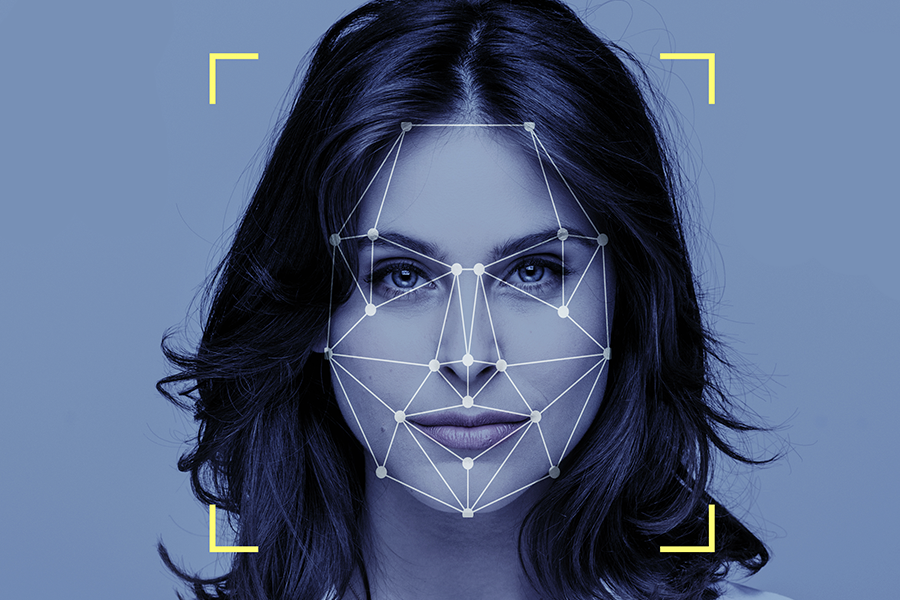
The modern world of digital identity verification is changing at a rapid pace, and businesses have a challenging balancing act to perform: to ensure high levels of security, a frictionless user experience, and high standards of privacy. Facial Recognition Software is the core of this challenge as it has become an essential tool in remote onboarding, fraud prevention, and continuous authentication. Of the numerous players in this field, one that is particularly interesting is Privateid.com, which makes a privacy-focused architecture the heart of its product.
The platform uses advanced facial recognition not only to ensure that an individual is real (liveness detection) or that they match their ID document, but in a manner that essentially secures the biometric information of the user. In contrast to the conventional models where sensitive facial templates are stored in a central database, the technology of the software is created in such a way that it does not create a central honeypot that is highly vulnerable. This will directly respond to the increasing consumer anxieties and regulatory demands regarding biometric data privacy.
Managing a Complex Competitive Environment
In order to see the position of this software, it is necessary to consider the competitive ecosystem in separate layers:
Full-Stack Providers: Jumio, Onfido, Persona, and Socure are companies that provide full-stack solutions. They combine facial recognition, liveness checks, document verification, and data checks into one service. They are direct rivals to companies that want an outsourced, all-in-one verification workflow.
Best-of-Breed Specialists: This is where Private.id tends to compete and overlap. It includes:
Pure-Play Facial Recognition & Liveness: Paravision, Amazon Rekognition, iProov, and FaceTec are the best providers in the fundamental algorithms of matching and spoof detection. These may be combined with other tools used by businesses.
Privacy-Enhancing Biometrics: This is a new and important category that encompasses such players as Anonybit, Keyless, and SeventhSense. Similar to Private.id, they are concerned with decentralizing or anonymizing biometric data by methods such as zero-knowledge proofs and distributed storage. This is the most direct philosophical rivalry of Privateid.com.
Infrastructure Support: Verification tools such as Private.id are integrated into the larger identity and access management (IAM) platform, such as Ping Identity, Okta, and FIDO. The surrounding tech stack includes databases (MongoDB), credit bureaus (Equifax), and passwordless standards (FIDO).
The Strategic Differentiation
The way it manages to cut a niche in this saturated market is by creating a distinct niche. Whereas an IDV provider such as ID.me may be using facial recognition as part of a verification funnel, and a specialist such as ID R&D may be selling a better liveness algorithm, the main product this software offers is its privacy architecture.
Its Facial Recognition Software is designed under the concept of minimal disclosure. The system is set to carry out correct verification without permanently storing a reusable biometric template in a central server. This helps to reduce the disastrous threat of biometric data breaches- a threat that looms over more traditional centralized systems.
To companies, this would mean a strong value proposition: they can gain the high-security promise of biometric verification and at the same time lower their liability and comply with privacy laws such as GDPR and BIPA. It is especially attractive to the industries that deal with sensitive information (finance, healthcare, government) and to progressive companies that establish trust as a brand resource.
Final Words
Facial recognition and identity verification is not a monopolistic market. The decision of an organization is not only about the accuracy scores, but the philosophy of data processing. The positioning of the software as a leader in the radical transformation of biometrics to privacy-saving is made. It can offer a future-proof solution to businesses seeking to authenticate identities not only in a secure manner, but also in a responsible manner, by offering powerful Facial Recognition Software in a framework that prioritizes user sovereignty and data security. In a digital era that is suspicious of surveillance and data abuse, the strategy of Privateid.com can easily become the norm, not the alternative.

Alexia is the author at Research Snipers covering all technology news including Google, Apple, Android, Xiaomi, Huawei, Samsung News, and More.