How Nurse Educators Are Shaping the Future of Healthcare
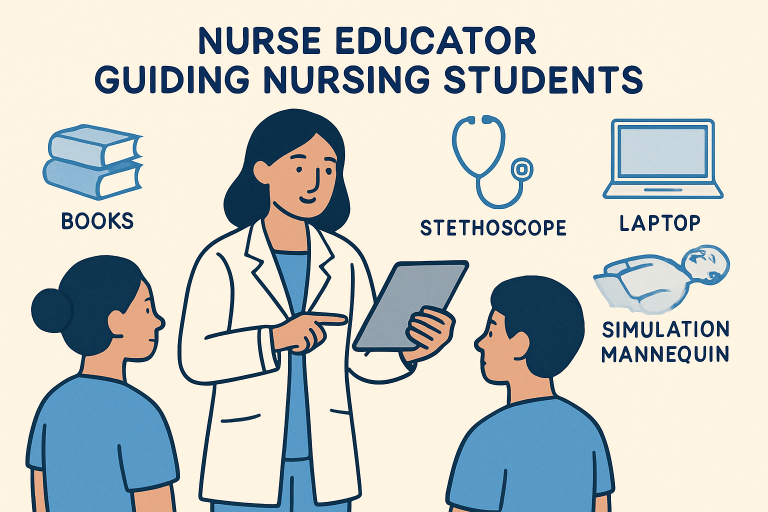
Table of Contents
- Bridging the Gap Between Theory and Practice
- Integrating Technology in Nursing Education
- Addressing the Nurse Educator Shortage
- Promoting Interprofessional Collaboration
- Emphasizing Cultural Competence
- Advocating for Policy Changes
- Fostering Innovation in Patient Care
- Conclusion
Nurse educators are at the heart of modern healthcare transformation, molding the next generation of nurses to adapt to a rapidly evolving landscape. As experts who bridge theory and practice, their impact is felt far beyond the classroom—affecting patient care, policy, and innovation in every healthcare setting. Nursing education is not simply about textbook knowledge or clinical practice; it is the catalyst for progress, quality, and compassion within the entire healthcare industry. With a growing demand for well-trained professionals, pursuing leadership in nursing education, such as through an MSN Nurse Educator online program, is more vital than ever. Many nurses seeking to make a broader impact pursue advanced degrees, recognizing that shaping new nurses and influencing system-wide practices amplifies their influence beyond individual patient care.
These dedicated professionals drive excellence not only in clinical expertise but also in the integration of emerging technologies and best practices. Their critical role ensures that new nurses enter the workforce equipped to provide safe, equitable, and patient-centered care. This commitment to continual professional development, mentorship, and evidence-based leadership positions nurse educators as both role models and catalysts, nurturing a generation of practitioners ready to meet today’s—and tomorrow’s—healthcare challenges head-on.
Bridging the Gap Between Theory and Practice
Nurse educators play a crucial role in translating academic knowledge into practical skills. At Arkansas State University, faculty members incorporate innovative curriculum design that includes real-world clinical scenarios, simulations, and evidence-based guidelines. They equip students with the tools to make informed decisions in high-pressure environments. This teaching method enhances critical thinking, encourages adaptability, and ultimately improves patient care. By introducing reflective practice and case studies, nurse educators help students analyze what worked and what could be improved, reinforcing the iterative nature of health practice. Furthermore, their blend of didactic and experiential learning cultivates a habit of lifelong inquiry, empowering nurses to continue developing new skills and adapting to changes even after graduation.
Integrating Technology in Nursing Education
The digital revolution has brought remarkable shifts to healthcare education. Nurse educators lead the way by introducing simulation labs, virtual reality, and artificial intelligence platforms, which create immersive, hands-on learning experiences. Virtual simulations and digital patient avatars are used to recreate complex healthcare situations, allowing students to practice interventions, diagnostics, and communication skills without risk. These digital tools also facilitate remote learning, broadening access for students in rural or underserved regions and providing flexibility for working professionals. This tech-enabled approach yields stronger clinical reasoning skills and higher student confidence, as noted by major organizations such as the American Association of Colleges of Nursing. Keeping up with evolving technological advancements also means that nurse educators must continually update their own knowledge, ensuring their instruction reflects the realities of modern healthcare environments where telehealth, electronic health records, and digital diagnostics have become routine.
Addressing the Nurse Educator Shortage
Despite their essential status, the U.S. faces a critical shortage of nurse educators, with more than 80,000 qualified nursing school applicants turned away in 2024 due to faculty constraints. The educator shortage impacts patient care because it limits the number of nurses entering the field. Without sufficient educators to train aspiring nurses, shortages can ripple through the healthcare system, resulting in higher workloads for practicing nurses and potentially compromising patient safety and satisfaction. To counteract this bottleneck, healthcare organizations and nursing programs are working aggressively to offer incentives, flexible work environments, and professional development opportunities to keep experienced nurses in academia and attract new educators.
Mentorship programs and scholarships are being expanded to encourage experienced nurses to transition into academia. According to AACN’s Nursing Workforce Fact Sheet, targeted investments are essential to strengthening nursing education pipelines and ensuring a steady influx of new educators, which in turn helps address the broader nursing shortage affecting patient care nationwide.
Promoting Interprofessional Collaboration
Healthcare thrives on collaboration, and nurse educators are champions of this principle. Academic programs often emphasize team-based learning, bringing together students from diverse disciplines, including medicine, pharmacy, occupational therapy, and social work. By guiding nursing students through interprofessional education, nurse educators help cultivate trust, respect, and open communication among future teams. Role-playing, group simulations, and case reviews from multiple professional perspectives teach students to collaboratively approach patient care, improving problem-solving and reducing the likelihood of medical errors.
This teamwork-focused approach directly correlates to better outcomes for patients, particularly in complex, high-stakes care environments. Interprofessional education has been linked to higher patient satisfaction and increased efficiency, as team members are better prepared to coordinate care and anticipate needs across specialties.
Emphasizing Cultural Competence
The increasing diversity of patient populations places cultural competence at the forefront of nursing education. Nurse educators integrate cultural awareness and sensitivity into their curricula, teaching students to respect diverse beliefs and address disparities. Lessons often include discussions of traditions, religious customs, dietary practices, and family structures that affect patient care and health-seeking behaviors. This training covers social determinants of health, ways to reduce implicit bias, and strategies for effective cross-cultural communication, ensuring all patients receive equitable and compassionate care. Nurse educators also model cultural humility, encouraging students to continuously reflect on their own biases and assumptions as they care for individuals from backgrounds different from their own.
Advocating for Policy Changes
Many nurse educators extend their influence by engaging in policy advocacy. Their involvement in developing educational standards, licensure requirements, and clinical guidelines ensures that policies reflect current realities of nursing practice and patient needs. Their lived experiences as both clinicians and educators allow them to offer actionable insights into how regulations impact safety, training, and access to care. By participating in local, state, and national organizations, nurse educators play a crucial role in shaping regulations that remove barriers to education, enhance funding for nursing programs, and advance professional practice. In effect, their advocacy helps secure the resources, respect, and recognition necessary for the nursing profession to grow and thrive.
Fostering Innovation in Patient Care
Innovation drives progress in healthcare, and nurse educators inspire this mindset within their students. By integrating the latest evidence-based practices and emerging technologies, educators encourage nurses to challenge routine procedures and consider fresh solutions. Through coursework focused on research, quality improvement, and creative problem-solving, nurse educators seed curiosity and a willingness to “think outside the box.” This culture of continuous improvement ultimately leads to improved patient outcomes, a reduction in preventable errors, and more efficient utilization of healthcare resources. Many nurse educators collaborate with other innovators or participate in pilot projects, giving students firsthand exposure to new ideas.
Conclusion
Nurse educators are building the healthcare workforce of the future. Their passion for bridging theory and practice, embracing new technology, addressing workforce shortages, and promoting inclusion and teamwork ensures that each new generation of nurses is fully prepared to handle tomorrow’s healthcare challenges. As the healthcare landscape continues to evolve, the indispensable contributions of nurse educators will remain key to maintaining the highest standards of patient care and professional excellence. The role they play in transforming aspiring nurses into confident, compassionate providers will continue to be a driving force for innovation and improved health outcomes for years to come.

Alexia is the author at Research Snipers covering all technology news including Google, Apple, Android, Xiaomi, Huawei, Samsung News, and More.