Why Simplicity Wins In Medical Technology
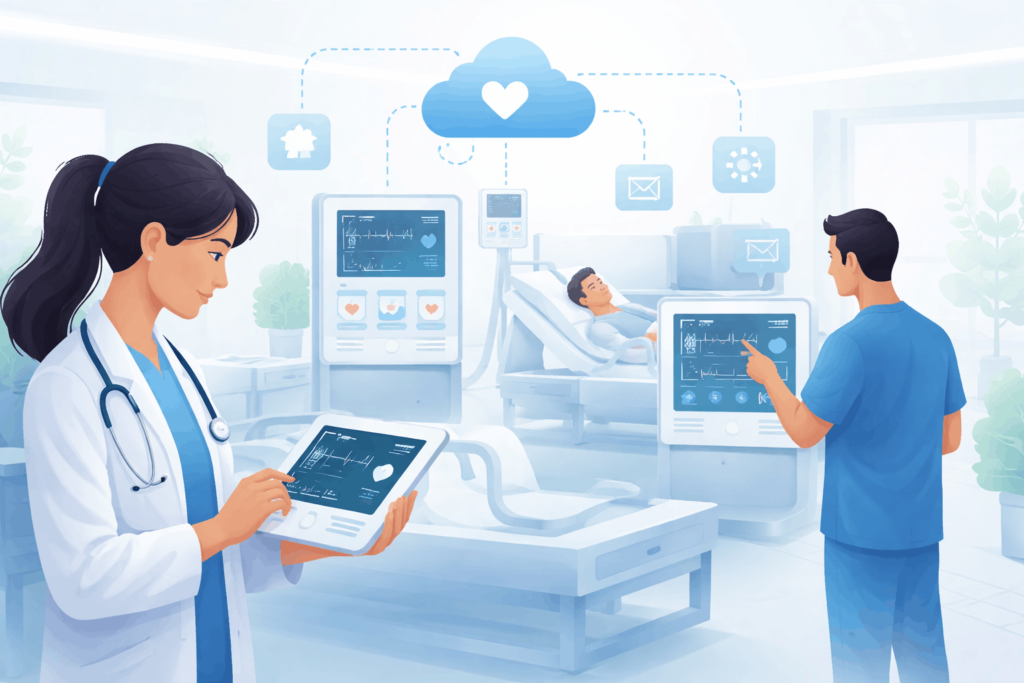
Why does simplicity win in medical technology? Simplicity in medical technology leads to better adoption rates, fewer errors, and improved patient outcomes because straightforward designs reduce complexity while maintaining effectiveness. Healthcare professionals and patients alike benefit from intuitive interfaces that require minimal training yet deliver powerful results.
Benefits Of Simplicity In Medical Devices
Reduced Regulatory Burden
Medical device manufacturers face significant challenges with regulatory compliance. The approval process can be lengthy and expensive, requiring extensive documentation and testing. However, adopting a “less is more” approach can substantially reduce these burdens.
Simpler medical devices typically require less complex regulatory submissions. With fewer components and functions, you’ll find the validation process becomes more straightforward. This streamlined approach allows for faster market entry while maintaining safety standards.
Regulatory bodies like the FDA often process applications for simpler devices through expedited pathways. Your company can benefit from these accelerated reviews when presenting devices with clear, uncomplicated functions and minimal risk profiles.
The documentation requirements decrease proportionally with device simplicity. Your team will spend less time preparing extensive technical files and more time focusing on core product improvements. This reduction in paperwork translates directly to cost savings and resource efficiency.
This is where collaboration with a medical device design company like CLEIO becomes critical. Experienced design teams embed regulatory considerations directly into early design decisions, ensuring that simplicity is not an afterthought but a foundational principle. By aligning usability, risk management, and compliance from the outset, manufacturers can avoid costly redesigns later in the approval process.
Improved Reliability And Efficiency
Simple medical devices demonstrate superior reliability compared to their complex counterparts. By reducing potential failure points, your healthcare facility experiences fewer device malfunctions and service interruptions.
Consider glucose monitors as an example. Models with streamlined interfaces and focused functionality show higher accuracy rates and longer operational lifespans. Your patients receive more consistent readings without the confusion of navigating unnecessary features.
Implantable devices particularly benefit from simplicity. Pacemakers with minimalist designs consume less energy, extending battery life significantly. Your patients require fewer replacement procedures, improving their quality of life while reducing healthcare costs.
Maintenance becomes more manageable with simpler devices. Your technical staff can quickly identify and resolve issues without specialized training or proprietary tools. This efficiency minimizes downtime and extends the useful life of your equipment.
Cloud Integration For Data Management
Cloud technology offers powerful solutions for maintaining simplicity in medical devices. By moving complex data processing off-device, your equipment can remain streamlined while still delivering advanced capabilities.
Medical imaging systems demonstrate this principle effectively. The physical device captures images using straightforward mechanisms, then transmits data to cloud platforms for sophisticated analysis. Your healthcare team accesses comprehensive results without needing complex on-site equipment.
Data accessibility improves dramatically through cloud integration. Your staff can retrieve patient information from any authorized location, facilitating remote consultations and collaborative care. This flexibility enhances treatment coordination without complicating device operation.
Security benefits emerge from this approach as well. Centralized cloud systems implement robust protection measures that would be impractical on individual devices. Your patient data receives enterprise-grade security without burdening the medical equipment with complex security protocols.
Future Trends In Simple Medical Technology
Emerging Tools That Prioritize Simplicity
Healthcare technology continues to evolve with a growing focus on simplicity. You’ll notice this shift as developers create medical tools that anyone can use without extensive training.
Wearable health monitors represent a perfect example of this trend. These devices track vital signs through user-friendly interfaces that display clear, actionable information. Their straightforward design allows patients to monitor their health conditions without medical expertise.
Point-of-care diagnostic tools have also embraced simplicity. Modern testing devices provide quick results with minimal steps, enabling healthcare workers to make faster decisions. This approach reduces the learning curve for medical staff and decreases the likelihood of user errors.
Telemedicine platforms demonstrate how technology can simplify healthcare delivery. These systems connect patients with providers through intuitive video interfaces that require little technical knowledge. The accessibility of these platforms has expanded healthcare reach to remote areas previously underserved.
The impact of these simplified technologies extends throughout the healthcare industry. Medical facilities report improved efficiency as staff spend less time learning complex systems and more time focusing on patient care. During periods of staffing gaps, leveraging locum physicians can complement existing teams and ensure continuity of care when medical staffing services available become essential. Patients experience better outcomes when they can easily understand and use the tools prescribed for their treatment.
Scalability And Long-Term Maintenance
When you implement medical technology, considering how it will grow with your organization becomes essential. Scalable solutions adapt to increasing demands without requiring complete system overhauls.
Electronic health record (EHR) systems highlight successful scaling in healthcare. The best EHR platforms start with core functionality and expand modularly as needs change. This approach allows healthcare facilities to add capabilities without disrupting existing workflows.
Remote patient monitoring technologies demonstrate excellent scalability characteristics. These systems begin by tracking basic vital signs and can incorporate additional metrics as treatment protocols evolve. Their flexible architecture supports growing patient populations without sacrificing performance.
Automation plays a key role in maintaining simplicity as systems grow. Routine tasks like data backups, software updates, and security scans can run automatically. This reduces the manual workload on IT staff and minimizes the risk of human error during maintenance procedures.
Long-term maintenance costs decrease significantly when technologies prioritize simplicity from the start. Systems with fewer components experience fewer failures and require less specialized knowledge to repair. Your healthcare organization benefits from reduced downtime and lower technical support expenses.
Collaborative Approaches With Cloud Providers
Partnering with cloud service providers creates new opportunities for simplifying medical technologies. These collaborations shift complex computing tasks away from local devices to powerful remote servers.
Medical imaging benefits tremendously from cloud processing capabilities. Your radiology department can use lightweight viewing terminals while sophisticated image analysis happens in the cloud. This arrangement maintains simple user interfaces while delivering advanced diagnostic capabilities.
Data storage becomes much more straightforward through cloud partnerships. Healthcare organizations no longer need extensive on-site server infrastructure to maintain patient records. Cloud providers handle the technical complexities of data redundancy, backup procedures, and storage scaling.
Security management improves when you collaborate with cloud experts. Professional cloud services implement comprehensive protection measures that would be challenging for individual healthcare facilities to maintain. Their specialized teams stay current with emerging threats and compliance requirements.
Access to medical information becomes more consistent across different locations. Cloud-based systems allow authorized personnel to retrieve patient data from any connected device. This flexibility supports better continuity of care as patients move between departments or facilities.
The financial model of cloud services aligns well with healthcare budgeting needs. Your organization pays for actual usage rather than investing heavily in infrastructure that might become obsolete. This approach preserves capital for direct patient care improvements.
Creating A Culture Of Trust Through Simplicity
Transparent Solutions For Healthcare Professionals
Trust forms the foundation of effective healthcare technology adoption. When medical professionals can clearly see how a system works, they’re more likely to incorporate it into their practice. Transparency doesn’t just mean showing data: it means creating solutions that healthcare workers can understand and verify.
Many hospitals have successfully implemented transparent AI systems that provide clear explanations for their recommendations. For example, diagnostic support tools that highlight the specific imaging features they used to suggest a diagnosis have received positive feedback from radiologists. These tools don’t just offer conclusions but show their reasoning process.
Healthcare professionals appreciate technologies that explain their limitations openly. Systems that clearly indicate confidence levels for their suggestions build credibility with clinical teams. This approach acknowledges that AI serves as a partner rather than a replacement for medical expertise.
Your clinical team will respond better to technologies that maintain transparency throughout the decision-making process. This creates an environment where professionals feel empowered rather than replaced by technology.
Interpretable AI Models For Better Decisions
Making AI understandable represents a critical factor in healthcare adoption. Interpretable models allow doctors and nurses to follow the reasoning behind recommendations, which builds confidence in the technology.
Healthcare professionals need to know why an AI system suggests a particular treatment or diagnosis. Models that present clear reasoning pathways help clinicians validate suggestions against their medical knowledge. This validation process strengthens the partnership between AI and healthcare providers.
You’ll find that clinicians gravitate toward systems that align with their clinical intuition. When an AI model explains its reasoning in medical terms familiar to practitioners, it becomes a valuable tool rather than a mysterious black box. This familiarity helps bridge the gap between advanced technology and practical application.
Decision trees and rule-based systems often gain faster acceptance in clinical settings because their logic mirrors how healthcare professionals think. These models make their decision-making process visible, allowing for verification and building trust through transparency.
Integrating Seamlessly With Clinical Workflows
Simple technologies that fit naturally into existing routines gain rapid adoption. Healthcare professionals value tools that enhance their work without disrupting established processes. Implementing clinical workflow automation can further streamline tasks, reduce manual entry, and ensure that patient care remains the primary focus.
Successful integration examples include voice-recognition documentation systems that allow physicians to maintain eye contact with patients while creating records. These systems reduce administrative burden without changing how doctors interact with their patients.
Your healthcare facility can benefit from technologies designed with workflow compatibility as a priority. Mobile applications that provide critical information at the point of care have proven effective because they deliver value without requiring significant behavioral changes.
The most successful healthcare technologies recognize the time constraints facing medical professionals. Solutions that reduce clicks, simplify data entry, and automate routine tasks respect the valuable time of healthcare workers while improving efficiency.
AI tools that present information within existing electronic health record systems have higher adoption rates than those requiring separate logins or interfaces. This integration minimizes learning curves and cognitive load for busy healthcare teams.

Alexia is the author at Research Snipers covering all technology news including Google, Apple, Android, Xiaomi, Huawei, Samsung News, and More.