How Blockchain Technology Is Shaping the Next Generation of Online Games
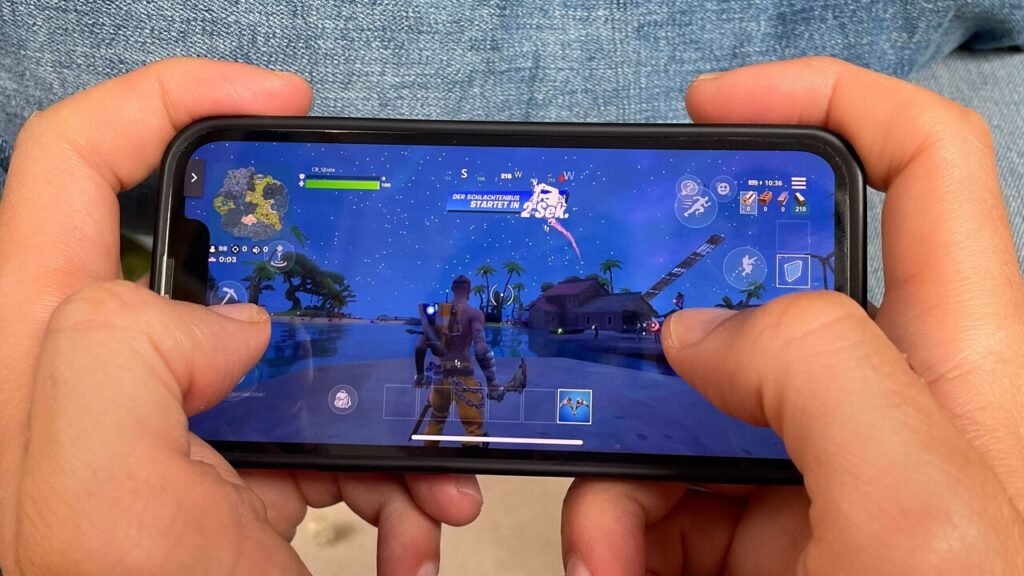
Online games have evolved far beyond simple browser-based entertainment. What began as lightweight digital distractions has matured into a sophisticated ecosystem powered by advanced infrastructure, seamless payment systems, and transparent backend mechanics. As blockchain technology continues to influence various sectors, online gaming is quietly becoming one of its most practical testing grounds.
Technology publications like Research Snipers frequently explore how emerging systems move from theory into real-world implementation. In recent years, blockchain-backed gaming platforms have provided strong examples of how decentralized tools can enhance user trust, improve digital ownership models, and streamline global transactions.
Rather than focusing on hype, the more interesting discussion centers on usability. How do these platforms integrate blockchain without overwhelming users? How can complex systems remain intuitive? And what does this mean for the future of online entertainment?
From Traditional Platforms to Blockchain Integration
For years, online games relied on centralized servers and closed ecosystems. Players had limited transparency into how in-game mechanics functioned, how rewards were calculated, or how digital assets were stored. While most users didn’t question this structure, the growth of blockchain introduced an alternative model built around verifiable records and decentralized transactions.
Modern platforms now experiment with “provably fair” systems, transparent digital ledgers, and wallet-based integrations. These features are no longer niche concepts; they are becoming part of broader conversations about trust in digital environments.
A good illustration of this evolution can be seen in number-based online games. When trying an online version of the keno game on newer blockchain-enabled platforms, users may notice streamlined interfaces and clearer transaction tracking. Instead of layering on unnecessary visual effects, many developers are prioritizing clarity and responsiveness. Those interested in seeing how such platforms structure their game libraries can visit this website to explore an example of how digital-first design is being implemented.
Simplicity as a Design Philosophy
One recurring theme in tech analysis is usability. Blockchain systems can appear intimidating to newcomers, particularly when technical jargon dominates the user experience. Successful platforms understand this and reduce friction wherever possible.
Modern online gaming apps increasingly follow a minimalist approach. Navigation is straightforward. Instructions are concise. Transactions are processed efficiently. Most importantly, users are not required to understand the technical backend in order to participate.
This mirrors trends seen in fintech apps and consumer software. The most successful tools hide complexity beneath clean interfaces. The technology remains powerful, but the experience feels effortless.
By prioritizing clarity over clutter, online platforms are redefining what accessibility looks like in digital entertainment.
Transparency and Verifiable Systems
One of blockchain’s most discussed advantages is transparency. In gaming environments, this translates to visible transaction histories and verifiable outcome systems. Rather than relying solely on internal algorithms, decentralized models allow users to independently confirm certain processes.
According to reporting from CoinDesk, blockchain-based gaming ecosystems are gaining attention precisely because they introduce accountability into digital environments. Public ledgers and smart contracts reduce ambiguity, offering users clearer insight into how systems operate.
This shift reflects a broader industry movement. Transparency is no longer a niche feature; it is becoming an expectation.
Expanding Beyond Early Adopters
Blockchain gaming was once associated primarily with tech enthusiasts and early crypto adopters. Today, that demographic has expanded significantly. Casual players, mobile-first users, and international audiences are engaging with platforms that integrate decentralized infrastructure without making it the centerpiece of the experience.
Mobile optimization plays a key role in this expansion. Many modern online games are built with cross-device compatibility in mind. Whether accessed through a desktop browser or smartphone, the interface remains consistent and responsive.
Additionally, wallet integrations have become smoother. Instead of complex setup processes, users often connect with just a few steps. This reduced barrier to entry is helping blockchain-backed platforms compete with traditional gaming ecosystems.
What This Means for the Future of Online Entertainment
The direction is clear: users expect speed, clarity, and transparency. Blockchain alone does not guarantee success, but thoughtful implementation can create meaningful improvements.
Online gaming is serving as a proving ground for these ideas. Developers are learning how to balance innovation with practicality. Rather than reinventing the wheel, many platforms are modernizing familiar game formats while quietly upgrading the infrastructure beneath them.
This measured approach may ultimately be more sustainable than headline-driven disruption. Instead of marketing buzzwords, users respond to stability and simplicity.
Final Thoughts
The evolution of online games reflects broader shifts in digital technology. Blockchain is no longer confined to speculative discussion; it is being integrated into real products that everyday users can access.
As tech publications continue analyzing these developments, the focus remains on execution rather than claims. The platforms gaining traction are those that prioritize usability, transparency, and clean design over excessive complexity.
For readers interested in where online entertainment is heading, blockchain-backed gaming platforms offer a compelling case study. They illustrate how emerging technology can enhance familiar experiences quietly, efficiently, and without unnecessary friction.

Alexia is the author at Research Snipers covering all technology news including Google, Apple, Android, Xiaomi, Huawei, Samsung News, and More.









1 thought on “How Blockchain Technology Is Shaping the Next Generation of Online Games”
Comments are closed.