What Is Thermal Management? Heat Control Systems and Aerospace Applications Explained
In engineering, heat is never just a side effect—it’s a design variable. Every electronic component, propulsion system, and power module generates thermal energy, and how that energy is managed determines whether a system is reliable or prone to failure. Thermal management is about controlling temperature within engineered systems so that every component operates within its intended limits.
For industries operating at the edge of performance, such as aerospace, energy, and advanced electronics, temperature control is inseparable from safety and reliability. This is where specialized materials manufacturers like Axim Mica play an essential role. By supplying high-performance mica-based insulation solutions, they help engineers manage heat precisely in environments where conventional materials fall short.
The Fundamentals of Thermal Management
Thermal management is about sending heat where it needs to go, not where it shouldn’t be. The science behind it is based on three modes of heat transfer: conduction, convection, and radiation.
Conduction occurs when heat is transferred through a solid material from a hot region to a cold region. Convection involves heat transfer by moving fluids such as air or liquid coolants. Radiation, on the other hand, does not need a medium at all; it transfers energy through electromagnetic waves.
Engineers design these mechanisms by choosing materials, defining geometry, applying coatings, designing airflow, and specifying structural layout. One of the most important properties in this process is thermal conductivity. It is the rate at which a material conducts heat. High-conductivity materials dissipate heat quickly, while low-conductivity materials act as insulators. Successful thermal design is about knowing when to use each.
Why Heat Control Has Become a Critical Engineering Priority
Modern technology packs more power into smaller spaces than ever before. Microprocessors, electric propulsion systems, and high-density batteries all generate significant heat in compact volumes. Without proper planning, the heat can degrade materials, distort structures, or damage electronics.
Temperature extremes can also affect electrical performance, change material dimensions, and lead to chemical reactions, thereby reducing product life. In safety-critical sectors such as aviation or defense, these effects are unacceptable. A component that overheats by even a few degrees can affect an entire system.
Due to these risks, thermal performance is now treated as a primary design parameter. Engineers model heat flow from the earliest concept phase, often running detailed simulations before a single prototype is built. The goal is not just to prevent overheating, but to maintain stable and predictable operating temperatures under all conditions.
Passive and Active Thermal Control Systems
Thermal solutions generally fall into two categories: passive and active systems. Both serve important roles, and most high-performance platforms use a combination of the two.
Passive thermal control relies on design features and materials like insulation layers, reflective coatings, and thermal barriers. Because passive solutions have no moving parts, they require less maintenance. That is why it’s used more in aerospace systems.
Active thermal control uses powered equipment such as fans, pumps, liquid cooling loops, and heaters to move the heat. These systems can respond to changing temperatures, which makes them ideal for environments with fluctuating thermal loads. Heat pipes—sealed tubes containing a working fluid—are a particularly efficient active technology capable of rapidly transporting heat over long distances with minimal temperature difference.
You can choose between passive and active methods by considering factors such as weight, reliability requirements, available power, and environmental conditions.
Materials: The Backbone of Thermal Engineering
Another important thing to consider for an effective thermal system is material selection. Engineers evaluate not just conductivity, but also density, expansion rate, mechanical strength, and electrical properties. Materials must perform thermally without introducing structural or electrical problems.
Thermal interface materials are a good example of this balancing act. Even surfaces that appear smooth under a microscope contain tiny gaps when pressed together. Air trapped in these gaps acts as an insulator, reducing heat transfer. Interface materials fill these gaps, which enable heat to flow efficiently from one surface to another.
Advanced thermal materials now include graphite composites, ceramic insulators, engineered polymers, and metal-matrix composites. Each offers a different combination of conductivity, weight, flexibility, and durability.
Thermal insulating materials like mica combine strong dielectric properties with excellent thermal stability and mechanical resilience. Because they can withstand high temperatures without degrading or conducting electricity, they are widely used in demanding environments such as power electronics, aviation systems, and industrial equipment.
Thermal Management in Aerospace Environments
Aerospace engineering presents some of the most challenging thermal conditions imaginable. Aircraft experience rapid temperature swings during ascent and descent, while spacecraft must survive both intense solar radiation and deep-space cold.
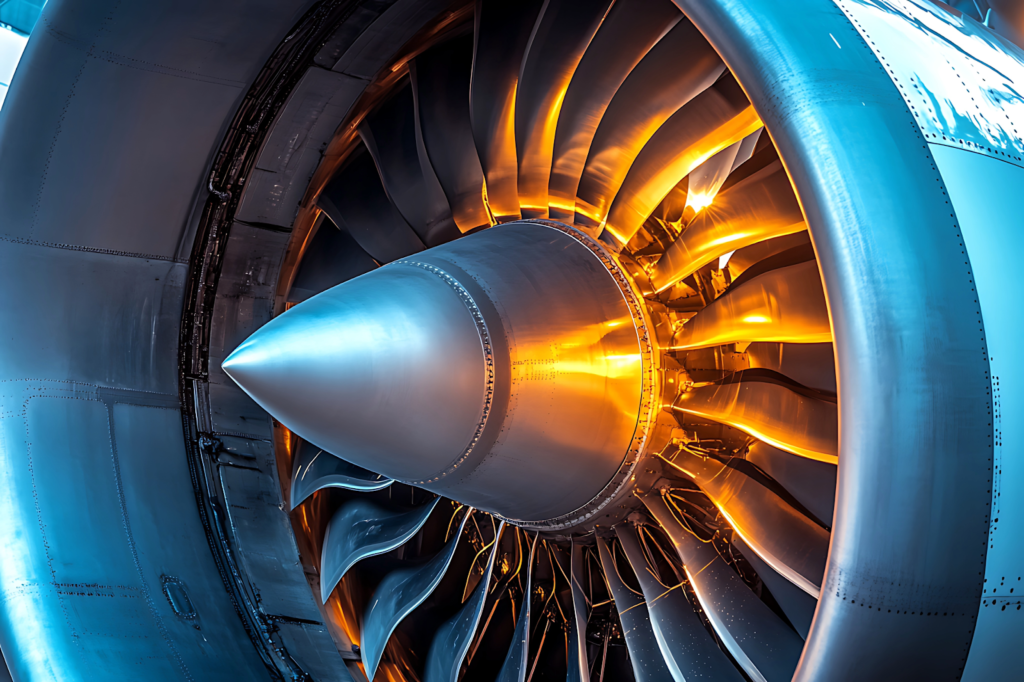
In jet aircraft, engines create a huge amount of heat that must be directed away from the sensitive system. Thrust reversers, braking systems, and electronic control units need carefully designed insulation to not lead to thermal damage.
Spacecraft face a different problem: the absence of atmosphere eliminates convection, leaving radiation as the primary means of heat transfer. Engineers must therefore rely on specialized coatings, multilayer insulation blankets, and radiator panels to maintain internal temperature balance.
Re-entry vehicles encounter perhaps the most extreme scenario of all. As they plunge back into the atmosphere, friction generates temperatures hot enough to melt most metals. Heat shields protect the structure by absorbing, reflecting, and dissipating this energy. The materials used in these shields must tolerate intense heat while remaining lightweight and structurally sound.
Integration Challenges in Real-World Systems
Designing a thermal system is not just about choosing a single material or device. Instead, engineers have to integrate multiple components so they function together without conflict. A cooling solution that performs well thermally may cause mechanical stress if its thermal expansion rate differs significantly from that of neighbouring parts. Likewise, a highly conductive material might introduce electrical risks if not properly insulated.
This is why compatibility is just as important as performance. The best thermal insulating materials are those that provide the right balance of properties for the entire assembly, not just the highest conductivity rating.
This is why mica-based insulation solutions are used. They can be shaped to fit complex geometries, maintain structural integrity at elevated temperatures, and provide electrical isolation alongside thermal resistance. These characteristics make them especially useful in compact assemblies where multiple performance requirements must be satisfied simultaneously.
Innovations Shaping the Future of Heat Management
Thermal engineering is evolving drastically as power densities continue to rise across industries. Researchers are developing new thermal insulating materials and architectures that can handle higher heat loads without increasing system weight.
Emerging approaches include nano-enhanced composites, graphene-reinforced conductors, and advanced laminated structures designed to channel heat along predetermined paths. These technologies aim to improve efficiency while enabling smaller, lighter devices.
Such innovations are particularly relevant to aerospace and electrification, where performance gains often depend on reducing mass while increasing power output. As these sectors advance, demand for specialised thermal materials is expected to grow.
The Business Case for Advanced Thermal Solutions
Effective heat management also gives a commercial advantage. Products that maintain stable temperatures last longer, require fewer repairs, and give consistent performance. For manufacturers and operators, this results in lower lifecycle costs and greater reliability.
In aviation, energy, and heavy industry, these advantages play an important role. Equipment downtime, component failures, or safety incidents can have significant financial and operational consequences. Investing in proven thermal materials and engineering expertise helps mitigate those risks.
Axim Mica’s Role in High-Performance Thermal Systems
Axim Mica, a manufacturer and supplier of mica-based insulating materials, contributes to the foundation of modern thermal engineering. The company’s products are designed to deliver dependable performance under demanding conditions while maintaining cost-effective value for customers.
Mica’s inherent properties, such as thermal resistance, electrical insulation, and structural stability, make it an indispensable material for applications requiring precise heat control. By combining material science expertise with an innovation-driven approach, Axim Mica supports engineers across industries seeking reliable solutions for complex thermal challenges.
Final Thoughts
Thermal management is one of the quiet forces behind modern technological progress. It rarely draws attention, yet it determines whether systems operate safely, efficiently, and predictably. From aircraft engines to electronic circuits, controlling heat is as important as generating power.
As technology continues to advance and systems grow more compact and powerful, the importance of sophisticated thermal solutions will only increase. Materials engineered for precise heat control—such as those produced by Axim Mica—will remain essential to ensuring that tomorrow’s innovations perform as reliably as they are designed to.

Alexia is the author at Research Snipers covering all technology news including Google, Apple, Android, Xiaomi, Huawei, Samsung News, and More.