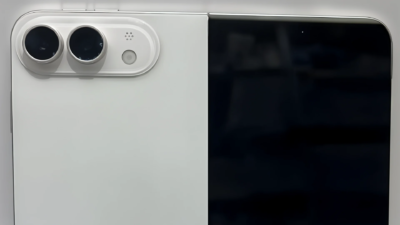
CAD images reveal what may be the final design
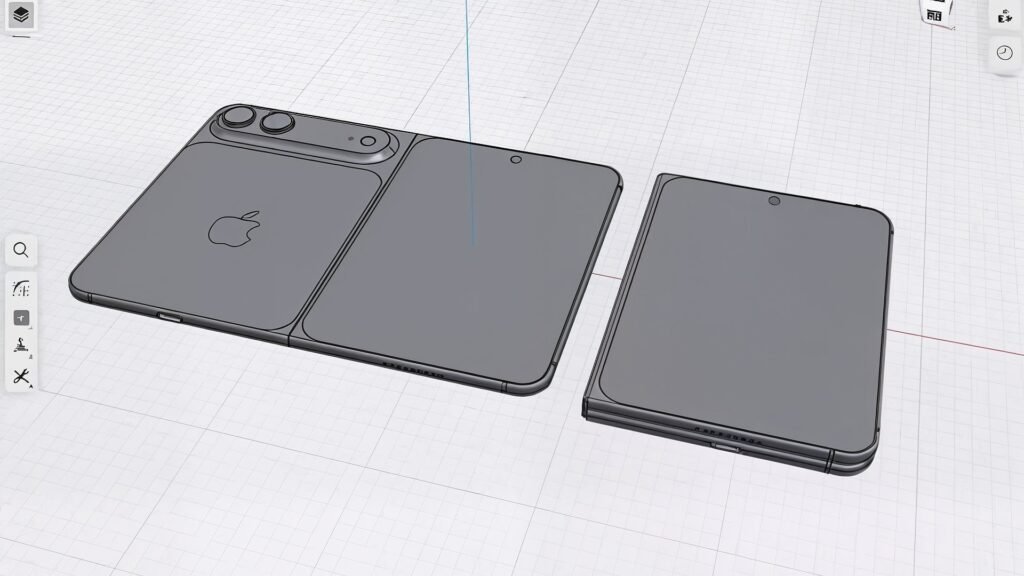
Leaked CAD files show Apple’s iPhone Fold planned for fall 2026 in detail for the first time. The group integrates a horizontal camera module, a Touch ID sensor and an innovative hinge made of durable liquid metal.
Leak reveals iPhone Fold design
The tech world has been speculating about Apple’s entry into the folding smartphone market for years, but now the plans seem to be taking concrete shape. New CAD files typically used to produce accessory cases detail the look of the potential iPhone Fold. The renderings reveal a device that could appear in autumn 2026 together with the iPhone 18 series and that deliberately distinguishes itself from established competitors in terms of design.
The design stands out due to its unusual asymmetry. While two corners of the case have the usual Apple roundings, the corners on the hinge side are angular. This could be for technical reasons in order to optimize the folding mechanism, but it ensures a certain visual independence. The camera module on the back runs horizontally and houses two lenses and a flash, reminiscent of the possible design of the iPhone Air 2.
Hardware and technical details
The images come from leaker Sonny Dickson (via Phandroid) and confirm many of the rumors that have been circulating so far from the supply chain. When unfolded, the device presents itself with a large screen, which is only interrupted by a small hole for the front camera in the upper left corner. Apple is obviously using the space gained here for a classic tablet experience in a compact format.
Technically, Apple is likely to rely on high-end components in order to justify the expected high entry price. Analysts expect the device to be priced at around $2,000. This puts the model in the absolute premium segment. The following specifications are available:
- Displays: A 7.8-inch internal display paired with a more compact external display between 5.3 and 5.5 inches.
- Performance: Use of the A20 Pro chip and twelve gigabytes of RAM.
- Materials: A hinge made of titanium and liquid metal for durability.
- Security: A side-mounted Touch ID sensor instead of Face ID to keep the case thin.
The use of liquid metal is an exciting technical detail. Apple has long held patents for these amorphous metal alloys, which are stronger and more elastic than traditional metals. Such a material would be ideal for the critical folding mechanism to minimize the crease in the display. A problem that many early folding smartphones struggled with.
The company originally experimented with flexible materials over a decade ago, which was evident at the time in small components such as the iPhone 3G’s SIM card ejector tool. Current developments indicate that engineers are now using this technology for larger core structural components. Whether the design shown is final remains to be seen until the official presentation. The design seems unconventional, but could bring a breath of fresh air.

Digital marketing enthusiast and industry professional in Digital technologies, Technology News, Mobile phones, software, gadgets with vast experience in the tech industry, I have a keen interest in technology, News breaking.