Linux distro Ubuntu now has higher system requirements than Windows
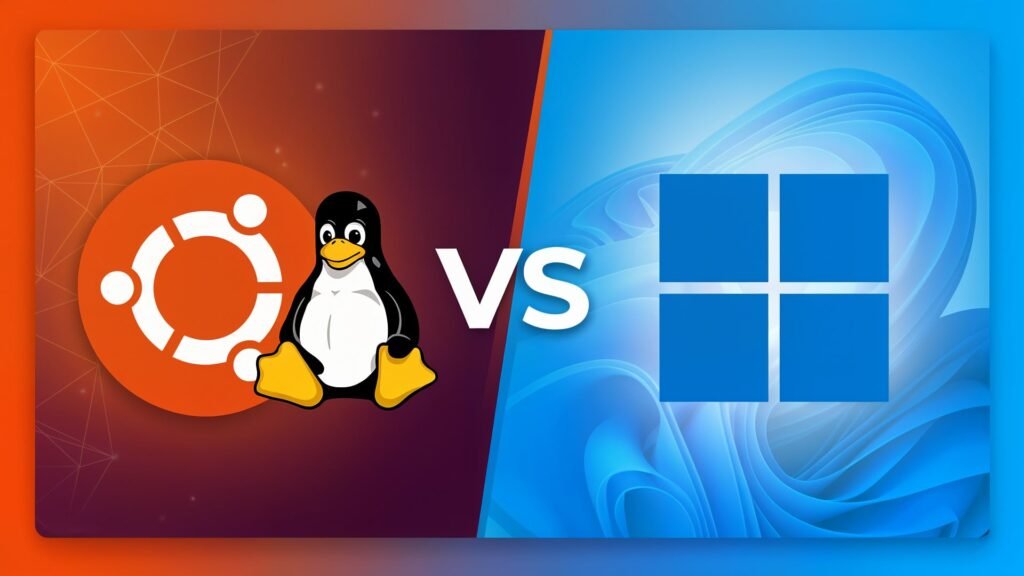
Linux is traditionally considered a resource-saving alternative to other operating systems. But with the upcoming version of Ubuntu the picture changes somewhat. The new hardware requirements now even exceed those of Windows 11.
Hardware hunger in Linux
Although it always depends on the specific distribution, Linux enjoys a reputation in the IT world as a whole for using the available system resources quite economically compared to other operating systems. However, with the release of Ubuntu 26.04 LTS scheduled for the end of April 2026, Canonical is shifting the previous balance. The new version, also known by the code name Resolute Raccoon, increases its requirements and in the future will even require better hardware than Microsoft’s Windows 11. New guidelines will now apply to ensure smooth operation of the desktop version. The comparison of the minimum requirements illustrates the increased demands:
- Ubuntu 26.04: two gigahertz dual-core processor, six gigabytes of RAM, 25 gigabytes of fixed storage
- Windows 11: one gigahertz dual-core processor, four gigabytes of RAM, 64 gigabytes of fixed storage
Reasons for the increase in requirements
While Microsoft requires more storage space on the hard drive when installing, the official requirement for CPU processing power and RAM for the Linux distribution now exceeds that of the competitor. As the Ubuntu 26.04 LTS Release Notes explain, this results from the integration of modern software components. The updated GNOME 50 desktop environment and new background services for improved security put more strain on the computer. The developers have also decided to specifically optimize the system for current processors.
Flexibility is retained
However, a key difference between the two platforms still lies in the handling of the system defaults. Windows 11 strictly blocks the installation if there is insufficient performance or a missing TPM. With Ubuntu, the increased information serves primarily as a recommendation for smooth use. The operating system can still be set up on weaker computers without any detours, although this is accompanied by a loss in working speed. The last official RAM increase for the standard desktop was in 2018 with Ubuntu 18.04. At that time the requirement rose from two to four gigabytes. Anyone who still has old hardware that does not meet the new requirements will still find countless alternatives within the Linux world. Lightweight Ubuntu offshoots such as Lubuntu or Xubuntu sometimes only require a gigabyte of RAM.
Linux is growing
Regardless of the increased hardware requirements, the free operating system is also enjoying growing popularity outside of office computers. In the gaming sector, current statistics from Steam record an all-time high of over five percent users. This development could continue in the coming months.

Amit Gohar is Technical writer at ResearchSnipers.com, he is well versed Technology News writer, he has completed is MS computer Science in 2020. He can be reached at amit.g@researchsnipers.com