Charging via USB-C is now mandatory for new notebooks according to the EU
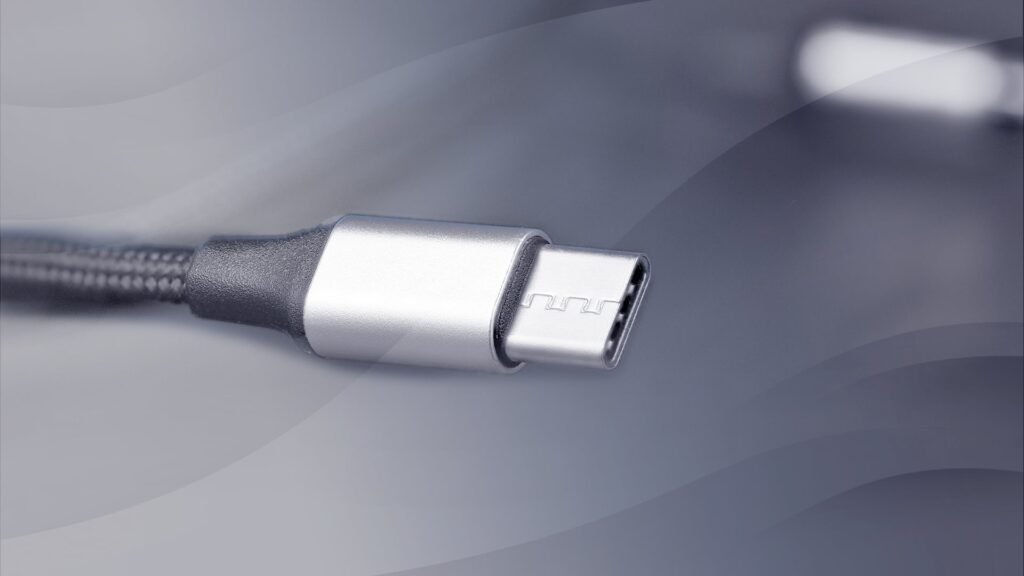
From now on, all newly introduced notebooks with a power consumption of up to 100 watts must always be able to be supplied with energy via a USB-C port. The corresponding new regulations of the European Union apply from today.
The EU announced the regulation years ago
USB-C ports and the power supply they provide have been standard on many laptops for years. From now on, all devices with a power consumption of less than 100 watts must in principle be able to be supplied with energy via the universal connection, because the regulation announced by the EU some time ago comes into force today. Smartphones have been required to use a USB-C port for power supply since 2024, which is why Apple no longer offers its iPhones and iPads with Lightning ports but with USB ports. There was a long grace period for notebooks, but now most devices must also be able to be charged via USB-C.
High-end devices continue with normal connections
But there will also be exceptions in the future. Thanks to PowerDelivery, USB ports can now deliver up to 240 watts via a single port, but for high-end or gaming laptops the EU still leaves a loophole in the obligation to supply energy via a Type-C port. Because such devices often require power supplies that are significantly more than 100 watts, their manufacturers are likely to continue using power supplies with a “barrel” connection. Meanwhile, the EU requirements do not exclude the integration of additional power supply connections. Device manufacturers can therefore continue to equip their laptops with alternative solutions. Nevertheless, the trend towards energy supply via USB-C that has emerged in recent years is only likely to increase with the EU regulation coming into force. From now on, new notebook models without USB-C charging will no longer be allowed to be sold in Europe. The regulation does not apply to products already on the market or to second-hand devices or refurbished models.