Samsung: RAM shortage will remain until 2027 and perhaps beyond
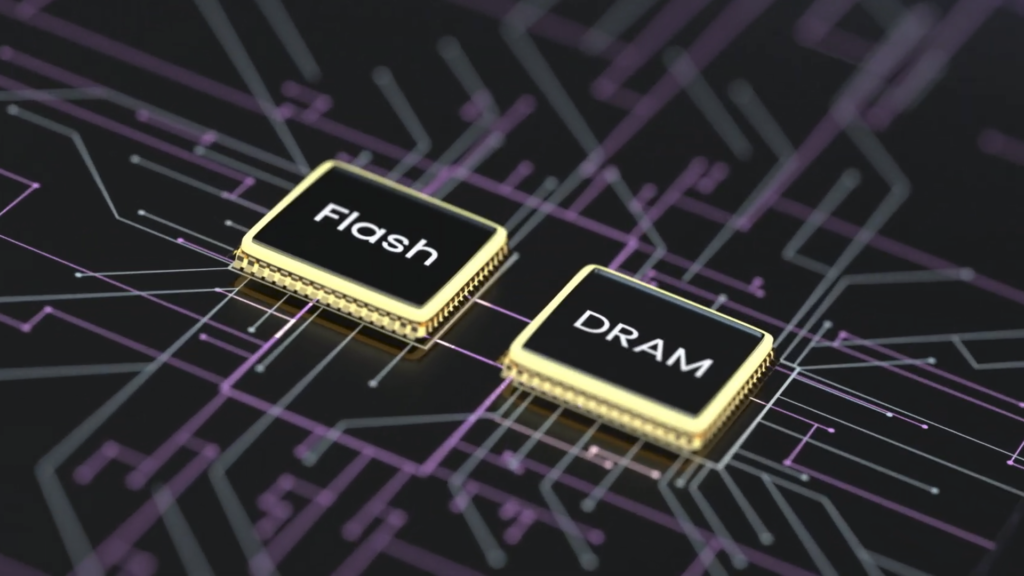
The RAM shortage continues to be relentlessly severe: Samsung is now warning that the shortage could last until 2027 and beyond – and could put further pressure on the prices of PCs, laptops and smartphones.
Samsung expects shortages until 2027
The global shortage of memory (RAM) could last for years longer than previously feared. Samsung, one of the most important manufacturers of memory chips, has now made it clear once again that demand will continue to significantly exceed production capacity – “until 2027 and beyond,” as the company confirmed to the Reuters news agency. As Samsung representatives emphasized at the balance sheet event, the current production capacity cannot sufficiently cover the growing demand for DRAM and HBM memories.
The CEO responsible for storage, Kim Jaejune, said that based on the orders already received for 2027 alone, the gap between supply and demand will continue to widen. Demand is primarily driven by data centers and AI companies that require enormous amounts of high-performance RAM and HBM storage.
Delivery bottlenecks also affect consumers
Because of the continued shortage, prices for memory chips remain high. Industry observers also assume that producers such as Samsung, SK Hynix and Micron can only cover around 60 percent of global demand with their planned capacity expansions.
Research from Nikkei Asia also show that certain DRAM prices have increased significantly since the end of 2025 – in some cases by more than half. In concrete terms, this means that end customers are also feeling the increase in RAM prices for devices such as smartphones, notebooks and PCs.
Shortages could last well into the 2030s
As SK Group Chairman Chey Tae-won explains in the Reuters report, given the ongoing wafer shortage, AI memory shortages could last until around 2030. Although chipmakers are building new factories and investing billions, much of the new capacity is explicitly designed for HBM and other AI memories – not standard mass-market DDR RAM. This means that even with increasing production, the shortage of classic RAM and system memory in the consumer sector can hardly be completely counteracted.
Higher profits for manufacturers
In parallel with the bottlenecks, memory manufacturers’ revenues are increasing significantly. Samsung reported a record profit in the chip segment in its last quarterly report, with operating profit of 53.7 trillion won (around 36 billion US dollars). The main reason for this is the high demand for AI memories and the continued strength of prices for DRAM. Investments in AI storage are worthwhile for companies, but for OEMs and consumers the burden is spread through higher component prices and sometimes delayed production plans.