6 Costly Garden Design Errors Britons Make
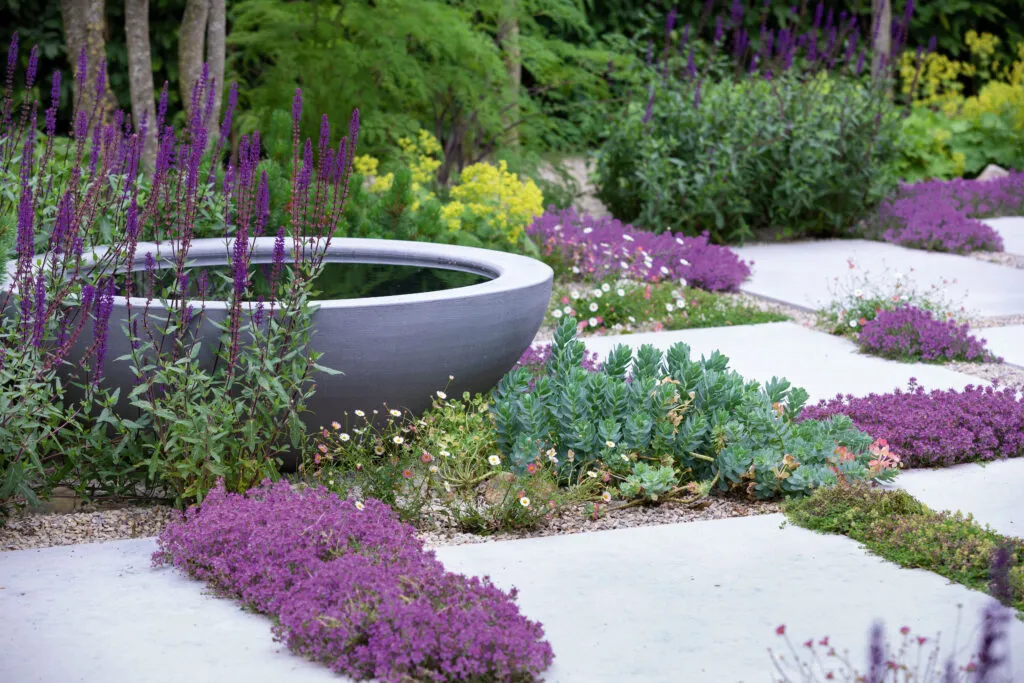
You finally decided to sort out your garden. You had grand plans, a full weekend, and just enough optimism to keep going. But three months later, you’re now surrounded by half-dead plants, drainage problems, and a receipt you’ve filed under ‘never again.’
Most garden disasters don’t stem from bad ideas. They’re often the result of skipping a few basic steps at the start. Here are the six most common and most expensive mistakes to avoid before you dig a single hole.
- Diving In Before You’ve Planned the Layout
Skipping the layout stage is a bit like trying to build flat-pack furniture after throwing the instructions in the bin. It feels faster for about 10 minutes, but it’s almost always a mistake that ends in tears and wasted money.
Where you place your plants, seating, and paths makes a huge difference. Sun, shade, and wind all come into play. So, if you stick a sun-loving rosemary in a cold, north-facing corner, it’ll fade and die. Then, you’re going to find yourself buying an expensive replacement.
To avoid this, sketch out a rough layout. Split the space into simple zones: a growing area, somewhere to sit, and clear paths to move through it all without stepping into a flowerbed.
- Overlooking Drainage Issues
In the UK, waterlogged soil takes out more plants than anything else, and the annoying part is how easy it is to avoid if you catch it early. Leave it too late, though, and you’ll end up paying for fixes you didn’t budget for.
So, before you plant anything, run a quick test: dig a small hole, fill it with water, and watch how long it takes to drain. If it’s still sitting there an hour later, you’ve got a drainage problem.
There are plenty of ways to keep your garden from turning into a bog. Raised beds, French drains, or even just some careful grading can redirect water before it does any damage.
At the very least, make sure your plot slopes gently away from your house, unless you’re aiming for an indoor swimming pool you didn’t ask for.
If you’re not sure what your space needs, a landscaper can point you in the right direction and save you from owning a garden that doubles as a shallow pond every time it rains.
- Choosing the Wrong Plants
We’ve all done it: you wander into a garden centre, spot a vibrant specimen, and buy it on impulse before you’ve even read the label. It’s a classic mistake, and it’s how you might end up with Mediterranean lavender struggling through a soggy Yorkshire winter.
Before you tap your card, check your garden’s conditions. Native species are the ultimate set-it-and-forget-it option because they’ve already spent a few thousand years figuring out how to survive our weather without needing constant babysitting.
And don’t ignore the label when it comes to size. That sweet little plant in a 9 cm pot can turn into a bully that crowds its neighbours and blocks your paths within two seasons.
So, if you’re not careful, you can end up paying twice—once for the plant and again for the tools to hack it back when it inevitably takes over.
- Ignoring Seasonal Changes
You haven’t really nailed the design if your outdoor space looks like a paradise in June but turns into a bleak, muddy film set from October to April.
It’s easy to get swept up in the midsummer hype, but a space that only works for two months of the year is a waste of money. After all, you want a garden that doesn’t go into a total seasonal depression the moment the clocks go back.
So, don’t rely on summer flowers to do all the work. Instead, mix in your seasonal favourites, but make sure they’re backed up by reliable, year-round plants that won’t vanish the second a frost hits.
A simple seasonal calendar will save you a lot of frustration, too. If you stay on top of pruning and mulching at the right times, your plants will thrive the following year instead of just limping along.
- Cutting Corners on Materials
You might feel like a genius for snagging budget decking or bargain-bin compost. But when the weather turns, and you find yourself staring at a rotting terrace or crumbling edging three years in, that initial discount won’t feel like much of a win.
You don’t have to go for the most extravagant option on the market, though. You can actually be quite smart about it by hitting up local suppliers like Wickes or Travis Perkins and scouring for end-of-season sales.
If you’re looking to be a bit more conscious of the planet, recycled aggregate or FSC-certified timber tend to outlast alternatives.
Overall, think of it this way: if a surface is going to be rained on, walked on, or baked in the sun for the next decade, don’t buy the cheapest version of it.
- Not Planning for Upkeep
Even well-designed gardens can turn into a headache if you don’t think about how much maintenance they actually need. Spending every weekend cutting, weeding, and watering gets old fast, and once it starts to feel like a chore, you’ll come up with excuses not to go outside.
You can save yourself a massive amount of effort by choosing low-maintenance varieties and using ground-cover plants to choke out weeds before they take hold.
Want to take it up a notch? Look into drip irrigation systems. They’re better for your plants than a random blast from a watering can, and they’ll free you up to sit down and enjoy the view.
Also, make sure anyone you hire knows exactly how much dirt you’re willing to get under your fingernails, especially if you’re going for a small garden design. Some designers may try to talk you into elaborate layouts that will fall apart the second you stop fussing over them.
Conclusion
Your garden should be a place where you can actually put your feet up, not a source of constant buyer’s remorse and backache. But don’t feel pressured to fix all these mistakes in one heroic session. Instead, take it slow and sort out one zone at a time.
In just a few weeks, you’ll be the one relaxing with a cold drink while your neighbours are still out there battling their overgrown shrubs.

Alexia is the author at Research Snipers covering all technology news including Google, Apple, Android, Xiaomi, Huawei, Samsung News, and More.