The Smart Girl’s Guide to Staying Safe Online While Shopping

Bagging a bargain online has never been easier – or riskier. Between dodgy “influencer” deals and increasingly convincing scams, a few taps on your phone can land you with counterfeit goods or worse. The good news is that staying safe doesn’t mean giving up online shopping altogether. It just means knowing what to look out for.
The Rise of AI-Driven Shopping Scams in 2026
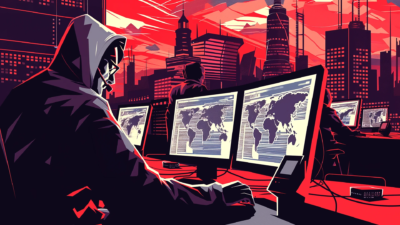
Fraudsters have gone high-tech. AI is now being used to hijack mobile devices, take over bank accounts and shopping profiles, and generate scarily convincing fake messages, websites and even voices. More than 444,000 fraud cases were recorded on the UK’s National Fraud Database last year, a 6% rise on 2024, with identity fraud and account takeover behind the bulk of cases.
Synthetic identity fraud, where criminals stitch together real and fabricated details to build a fake persona, is also on the rise, often used to set up shopping accounts in your name. Industry data shows that around two-thirds of authorised push payment (APP) fraud cases start online, and purchase scams (being tricked into paying for goods that never arrive or aren’t as described) make up the single largest category of scam claims.
Spotting Fake Sites and Counterfeit Goods on Social Media
Social media has become a hotspot for counterfeit sellers, with a surprising number of Brits knowingly buying fakes. Before you buy, check the seller properly: do they have a clear returns policy, and can you find genuine customer reviews rather than just an influencer’s say-so?
Watch for spelling and grammar mistakes in listings, missing UK or EU safety markings, and prices that seem too good to be true – because they usually are. Fashion accessories and beauty products are the most commonly counterfeited categories, so apply extra scrutiny to them.
Secure Payment Methods and Protecting Your Data on Public Wi‑Fi
Always pay by credit card or a recognised provider like PayPal, Visa or Mastercard rather than bank transfer: these offer proper buyer protection if goods never arrive or turn out to be fake. Be just as careful with your connection. Public Wi-Fi in cafés and airports is often unsecured, letting others on the same network potentially view your files or intercept your passwords.
If you’re hunting for bargains on the train or in a coffee shop, a VPN for iPhone encrypts your connection and keeps your data private. And before entering any payment details, double-check the site uses HTTPS and shows the padlock symbol in the address bar.
What to Do If You’re Scammed: Reporting Fraud and Protecting Your Accounts
If something feels off, act fast. Report it to Action Fraud, the UK’s national fraud reporting centre, via its online tool or by calling 0300 123 2040. Check your bank statements for anything unrecognised, and enable multi-factor authentication for every shopping account. Make sure you get into the habit of logging out after each purchase.
Banks reimbursed 61% of APP fraud losses in 2025 (£354.3 million), but reimbursement isn’t guaranteed, so speed matters. Doing your homework before pressing pay will reduce the likelihood of a nasty surprise when shopping online this summer.

Alexia is the author at Research Snipers covering all technology news including Google, Apple, Android, Xiaomi, Huawei, Samsung News, and More.