AI-Powered Hiring: How Artificial Intelligence is Transforming Job InterviewsThe Ethical Considerations of AI Hiring

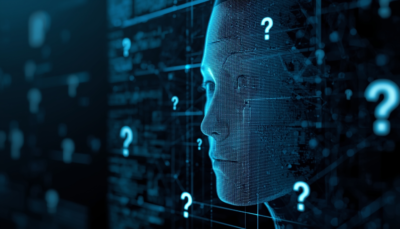
As organizations increasingly turn to artificial intelligence for recruiting, it’s essential to scrutinize the ethical implications of these technologies. AI systems often rely on historical data, which can inadvertently perpetuate existing biases in hiring practices.
If the datasets used to train these algorithms contain biases related to race, gender, or socioeconomic status, the AI may produce skewed results that disadvantage certain groups of candidates. This concern highlights the importance of ensuring that AI tools are both transparent and aligned with fair hiring practices.
Moreover, the lack of accountability in AI decision-making raises additional ethical questions. Candidates may remain unaware of how their applications are assessed, leading to a sense of alienation in the hiring process.
Organizations must navigate the balance between efficiency and ethical responsibility by prioritizing the development of AI systems that are not only effective but also equitable. Implementing regular audits and involving diverse teams in the AI development process can help to mitigate some of these ethical challenges.
Addressing Concerns About Fairness and Transparency
AI technology has the potential to streamline recruitment processes, yet it also raises pressing issues regarding fairness and transparency. Concerns often arise about the algorithms used in AI systems and whether they inadvertently perpetuate biases present in the data.
These biases can lead to unfair treatment of candidates based on demographics rather than skills and qualifications. Companies must prioritize creating AI systems that are unbiased and that actively promote diversity, instead of excluding qualified individuals based on flawed criteria.
To address transparency, organizations can implement measures that clarify how AI tools make decisions on candidate selection. Providing insight into the algorithms and the data they use fosters trust among applicants. Additionally, incorporating feedback mechanisms where candidates can question their evaluations can help ensure that AI systems are held accountable. Regular audits of AI processes by independent third parties can further enhance the reliability of recruitment practices and demonstrate a commitment to fairness.
Integrating AI with Traditional Interview Methods
Combining artificial intelligence with traditional interview techniques can yield a more thorough assessment of candidates. For instance, AI tools can help streamline the initial screening process by analyzing resumes and applications to identify the best fits. This allows hiring managers to focus on highly qualified candidates for in-depth AI interviews. Additionally, AI can handle routine questions during preliminary rounds, freeing up interviewers to engage in more nuanced discussions.
Incorporating AI doesn’t mean replacing the human element in hiring processes. Instead, it enhances the interview experience by providing valuable insights based on data analysis. Interviewers can receive suggestions based on candidates’ responses, helping them to ask relevant follow-up questions.
This approach fosters a more dynamic dialogue, balancing the efficiency of technology with the discernment of human judgment to create a more effective hiring process.
Blending Technology and Human Insight
Incorporating AI into the recruitment process does not mean sidelining human judgment. Many organizations are recognizing the importance of maintaining a balance between automated evaluations and personal interaction.
This approach allows for a more holistic assessment of candidates, combining the efficiency and data-driven insights of AI tools with the nuanced understanding that human interviewers provide. By integrating these two modes of evaluation, employers can ensure a more comprehensive view of each applicant’s capabilities and fit.
Recruiters can utilize the data gathered by AI to guide their interviews, focusing on areas where the technology highlights potential strengths or weaknesses. This allows for a more targeted and conversational interview experience, empowering interviewers to ask relevant questions based on AI analytics.
Human interviewers play a crucial role in interpreting responses, gauging emotional intelligence, and assessing cultural fit—all aspects that technology alone may not fully capture. The synergy between technology and human insight is increasingly seen as a pathway to more effective and meaningful hiring practices.
Training AI for Effective Recruitment
The development of AI for recruitment relies heavily on the quality and diversity of the data used to train these systems. Organizations must prioritize data collection from a wide range of sources to ensure that AI models accurately reflect the talent pool.
This involves not just amassing large quantities of information but also ensuring that the data is representative and free from bias. Without careful attention to these factors, the efficacy of AI in hiring could be compromised, resulting in skewed outcomes.
Creating effective AI-driven recruitment tools also requires ongoing refinement through user feedback and performance assessments. As AI systems interact with real-world hiring scenarios, they can identify inefficiencies or inaccuracies within their algorithms. Regular updates and adjustments based on these insights help enhance the precision of candidate evaluations. Additionally, incorporating human oversight ensures that AI tools supplement rather than replace the nuanced judgment that experienced recruiters bring to the hiring process.
Data-Driven Approaches to AI Learning
In today’s competitive job market, the effectiveness of AI in recruitment relies heavily on the quality of data used for training these systems. Organizations gather vast amounts of information from various sources, including resumes, social media profiles, and past hiring outcomes.
This data helps algorithms learn which candidate characteristics correlate with successful hires. By analyzing historical hiring practices, AI can identify patterns and preferences that inform future decisions. This process not only streamlines recruitment but also enhances the objectivity of candidate evaluations.
To optimize AI learning, companies must ensure that their data represents a diverse range of candidates. Bias in data can lead to skewed results, compromising fairness in the hiring process. Regular audits of the datasets are essential to mitigate potential biases and maintain transparency.
Continuous feedback loops can further refine AI systems, enabling them to adapt and improve over time. Implementing these practices facilitates a more robust recruitment strategy, paving the way for a fairer and more efficient hiring environment.
Future Trends in AI-Powered Hiring
The adoption of AI in the hiring process is expected to continue evolving, with increased focus on personalization. Recruiters can utilize AI to tailor job recommendations and outreach efforts to candidates based on their individual profiles and preferences.
This shift will enhance the candidate experience, making the hiring process more engaging and efficient. Moreover, as companies increasingly gravitate towards diverse and inclusive recruitment practices, AI tools are being developed to help eliminate biases, promoting fairness in candidate evaluation.
Emerging technologies, such as natural language processing and machine learning, will play a critical role in refining AI-powered hiring tools. These advancements will enable systems to better assess candidate fit by analyzing not just resumes but also verbal and non-verbal communication during interviews.
Through enhanced predictive analytics, companies will gain insights into candidate performance and workforce dynamics, leading to more informed hiring decisions. This transformation promises to create more strategic approaches to recruitment, aligning talent acquisition with broader organizational goals.
Predictions for the Job Market and Recruitment Strategies
The job market is poised for a significant transformation as AI continues to shape recruitment strategies. With advancements in technology, companies are increasingly leveraging data analytics and machine learning to refine their hiring processes.
Predictive analytics will enable employers to identify the best-fit candidates more accurately based on historical performance and cultural alignment rather than just qualifications and experience alone. This shift promises to streamline recruitment, reducing time-to-hire and enhancing the overall candidate experience.
As automation and AI tools become more integrated into the hiring process, the demand for candidates who possess strong technical skills will likely rise. Organizations will not only seek talent for specific roles but also for adaptability and continuous learning potential.
Additionally, hybrid hiring approaches that combine AI with human judgment will become more prevalent. Balancing technology with human insight aims to foster an equitable hiring landscape, minimizing biases while still embracing the uniqueness of individual candidates.
FAQS
What is AI-powered hiring?
AI-powered hiring refers to the use of artificial intelligence technologies to streamline and enhance the recruitment process, including job interviews, candidate assessments, and decision-making.
How does AI ensure fairness in the hiring process?
AI can promote fairness by using algorithms designed to minimize biases, analyzing candidate data objectively, and ensuring a consistent evaluation process across all applicants.
Can AI replace human interviewers entirely?
While AI can significantly enhance the hiring process by providing data-driven insights and automating certain tasks, it is not intended to replace human interviewers. The ideal approach blends technology with human insight to ensure a comprehensive evaluation of candidates.
How is AI trained for effective recruitment?
AI is trained using data-driven approaches that involve analyzing large datasets of applicant information, performance metrics, and interview outcomes to improve its algorithms and predictive capabilities over time.
What future trends can we expect in AI-powered hiring?
Future trends in AI-powered hiring may include more personalized candidate experiences, advanced predictive analytics for workforce planning, and increased integration of AI with traditional interview methods to enhance decision-making in recruitment strategies.

Alexia is the author at Research Snipers covering all technology news including Google, Apple, Android, Xiaomi, Huawei, Samsung News, and More.











1 thought on “AI-Powered Hiring: How Artificial Intelligence is Transforming Job InterviewsThe Ethical Considerations of AI Hiring”
Comments are closed.