Amazon to Close Kindle Loophole Allowing Easy DRM Removal
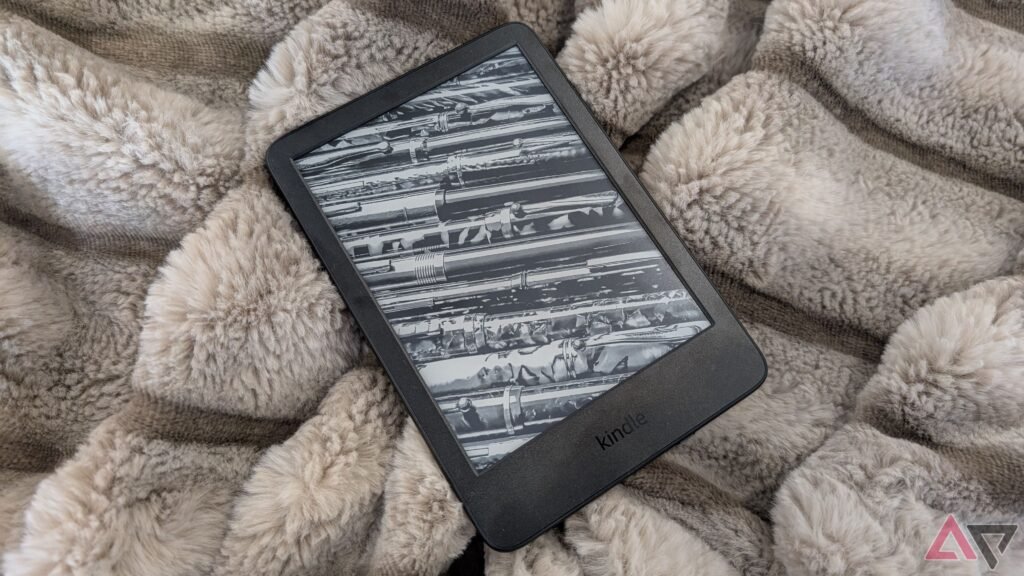
The Kindle brand has been part of the tech world since 2007, and in those early days, features like Wi-Fi and Bluetooth weren’t as widespread as they are now. Back then, transferring documents to your Kindle often required a trusty USB cable. To support this, Amazon introduced the “Download & Transfer via USB” feature. But now, the company has announced it’s retiring this feature starting February 26th.
This decision might not feel like a big deal for most users, as the feature is rarely used today. However, for some in the e-book community, this is a significant change. Why? Because this feature allowed users to download books in older formats, like AZW3, which are easier to strip of DRM (Digital Rights Management). These older formats have been a key workaround for those who wanted to break DRM, despite the fact that doing so is technically illegal—even for personal use.
Amazon Targets DRM Loopholes with USB Transfer Shutdown
Amazon has gone through several e-book formats over the years, from AZW to the newer KFX. While these formats enhance the reading experience and deliver some of the best-formatted e-books on the market, they also come with various forms of DRM. The newer formats are much harder—or nearly impossible—to crack, which is why some users relied on the USB transfer feature to access older, more vulnerable formats.
The type of file you get from Amazon often depends on your device. Older Kindle models and the USB transfer option made it possible to reliably download these older formats. But now, with the removal of this feature, Amazon is closing off one of the most accessible avenues for DRM removal. This move raises questions about whether it signals the start of a broader crackdown on DRM-breaking methods.
What This Means for Kindle Users
Even as Amazon removes the USB transfer option, users will still have other ways to get books onto their Kindle devices. Wi-Fi transfers will continue to be available, and tools like Calibre will still work for managing your e-book library. Essentially, Amazon is targeting a feature that made piracy easier by enabling the transfer of older, DRM-laden file types.
While this crackdown may frustrate some users, it’s not surprising. Amazon has been tightening its DRM systems for years. For instance, newer versions of the Kindle PC app no longer support older file formats, prompting many users to stick with outdated versions of the app to maintain access to more flexible files.
The Bigger Picture: The Ongoing Battle Over DRM
The fight over DRM isn’t new, and it’s not limited to e-books. The music industry faced a similar struggle years ago, learning that the war on piracy is ultimately unwinnable. Many argue that if consumers pay for digital content, they should have the freedom to use it however they choose. Restrictive DRM policies only encourage workarounds, fueling the very piracy they aim to prevent.
As the saying goes, “If buying isn’t owning, then piracy isn’t stealing.” It’s a sentiment gaining traction among consumers frustrated with DRM restrictions. Perhaps it’s time for Amazon—and the publishing industry as a whole—to rethink their approach and adapt to the realities of the 21st century.
For now, the removal of the USB transfer feature is a significant change for a small subset of Kindle users. But it’s also a reminder of the ongoing tensions between digital content providers and the consumers they serve. Whether this marks the beginning of a larger crackdown on DRM-breaking methods remains to be seen.

Alexia is the author at Research Snipers covering all technology news including Google, Apple, Android, Xiaomi, Huawei, Samsung News, and More.