AMD’s RDNA 4 GPUs Were a No-Show at CES 2025 – Here’s Why
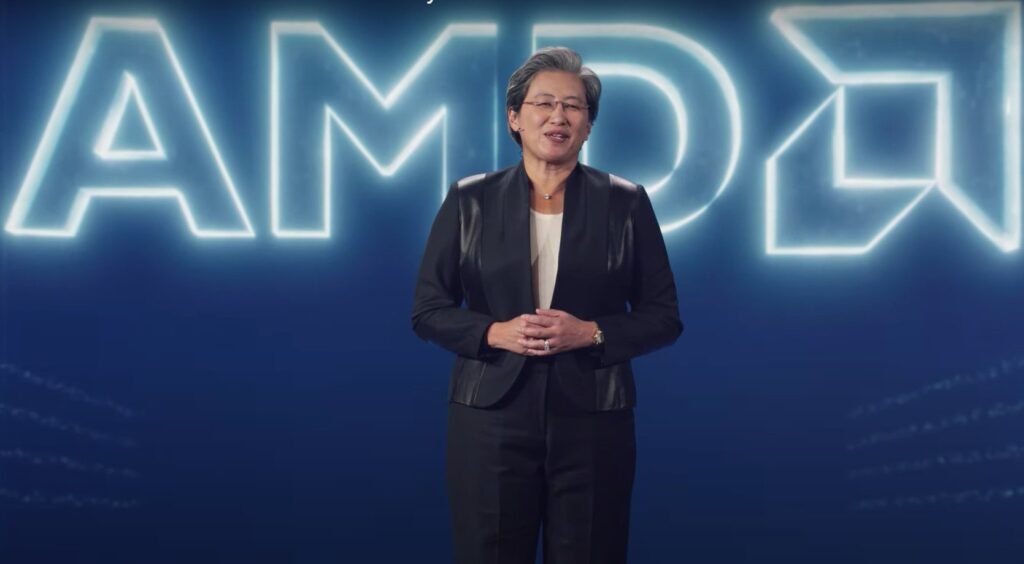
AMD and NVIDIA were expected to use CES 2025 as the stage to unveil their next-generation graphics cards. While NVIDIA delivered with the announcement of its RTX 5000 series, AMD unexpectedly pulled the plug on its RDNA 4 reveal at the last minute, leaving many scratching their heads.
NVIDIA Steals the Spotlight
During the CES keynote, NVIDIA CEO Jensen Huang proudly introduced the RTX 5000 GPUs, highlighting next-gen performance and technology advancements. These included the RTX 5090, 5080, 5070 Ti, and 5070 cards, with the two most powerful models set for release on January 30 and the 5070 variants following in February.
AMD’s Sudden Change of Plans
In contrast, AMD’s CES presentation left attendees puzzled. Originally, the company was expected to showcase its RDNA 4 architecture alongside new Radeon RX 9070 XT and RX 9070 GPUs. However, the announcement for these products was pulled at the last minute. Surprisingly, the press pack distributed before the event still contained references to RDNA 4, adding to the confusion.
The CES 2025 press materials from AMD offered limited information, with just six slides in total. Key details about the RDNA 4 architecture were shared, including:
- A 4nm process
- Next-gen AI accelerators
- Improved ray tracing performance
- AMD Radiance Display Engine updates
Additionally, AMD announced FidelityFX Super Resolution 4, now powered by machine learning, and shared glimpses of GPU designs from its board partners. A new naming scheme was also discussed, designed to align more closely with AMD’s Ryzen CPUs and NVIDIA’s GPUs.
Why Did AMD Pull the Announcement?
According to Tom’s Hardware, AMD executives David McAfee and Frank Azor explained that the RDNA 4 GPUs are progressing well, but the 45-minute limit for their CES presentation led to the decision to delay the reveal.
In a more recent update, McAfee took to X (formerly Twitter) to announce that the Radeon 9000 series will launch in March, assuring fans that “hardware and software are looking great.”
“Radeon 9000 series hardware and software are looking great and we are planning to have a wide assortment of cards available globally. Can’t wait for gamers to get their hands on the cards when they go on sale in March!”
AMD vs. NVIDIA: The Waiting Game
While AMD’s Radeon 9000 cards are set to launch in March, NVIDIA’s RTX 5000 series will already have a head start. The RTX 5070 and 5070 Ti, which are expected to compete directly with AMD’s RX 9070 and RX 9070 XT, will likely already be on the market.
Adding to the intrigue, rumors suggest that AMD’s new GPUs are already sitting in warehouses, and some reviewers reportedly have early units without updated drivers. This has led to speculation that AMD could be waiting to gauge NVIDIA’s pricing and performance for the RTX 5070/Ti before finalizing its own plans.
What’s Next for AMD?
There are two potential scenarios for AMD’s RDNA 4 strategy:
- AMD could have a breakthrough with RDNA 4, delivering GPUs that outperform or match NVIDIA’s RTX 5070/Ti cards at a competitive price.
- Alternatively, AMD may adjust its pricing to reflect any performance gaps in favor of NVIDIA, relying on its loyal Team Red supporters to hold off on purchasing RTX 5000 cards.
A Missed Opportunity or Smart Strategy?
From one perspective, AMD’s decision to delay its RDNA 4 announcement appears to be a missed opportunity, allowing NVIDIA to dominate the spotlight. However, from another angle, the move has generated significant curiosity and speculation around RDNA 4 without AMD needing to make a major announcement.
For now, we’ll have to wait until March to see how AMD’s Radeon 9000 GPUs stack up against NVIDIA’s RTX 5000 series. With both manufacturers vying for dominance, 2025 is shaping up to be an exciting year for PC gamers and enthusiasts.

RS News or Research Snipers focuses on technology news with a special focus on mobile technology, tech companies, and the latest trends in the technology industry. RS news has vast experience in covering the latest stories in technology.