Apple customers buy new iPhones for surprisingly banal reasons
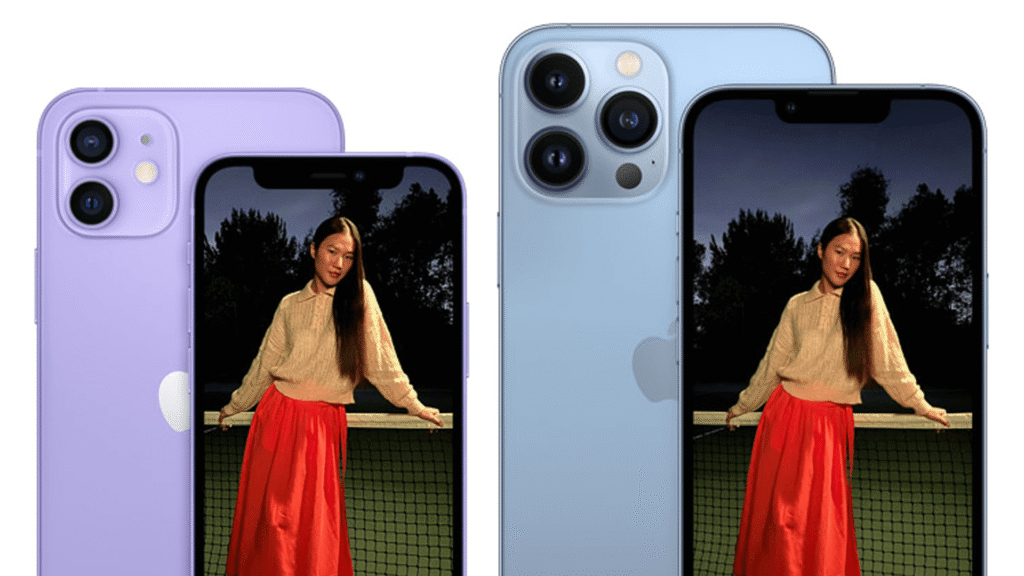
Why do users buy new iPhones? According to a current study, it is rarely the desire for new functions such as Apple Intelligence. Instead, most customers force much less spectacular things to buy a new smartphone.
Defects instead of features
When Apple introduces a new iPhone, the focus is on the latest functions: better cameras, faster processors and now also Apple Intelligence. But what actually makes users exchange their old device for a new one? A current study provides clear knowledge. Accordingly, much more banal things are decisive.
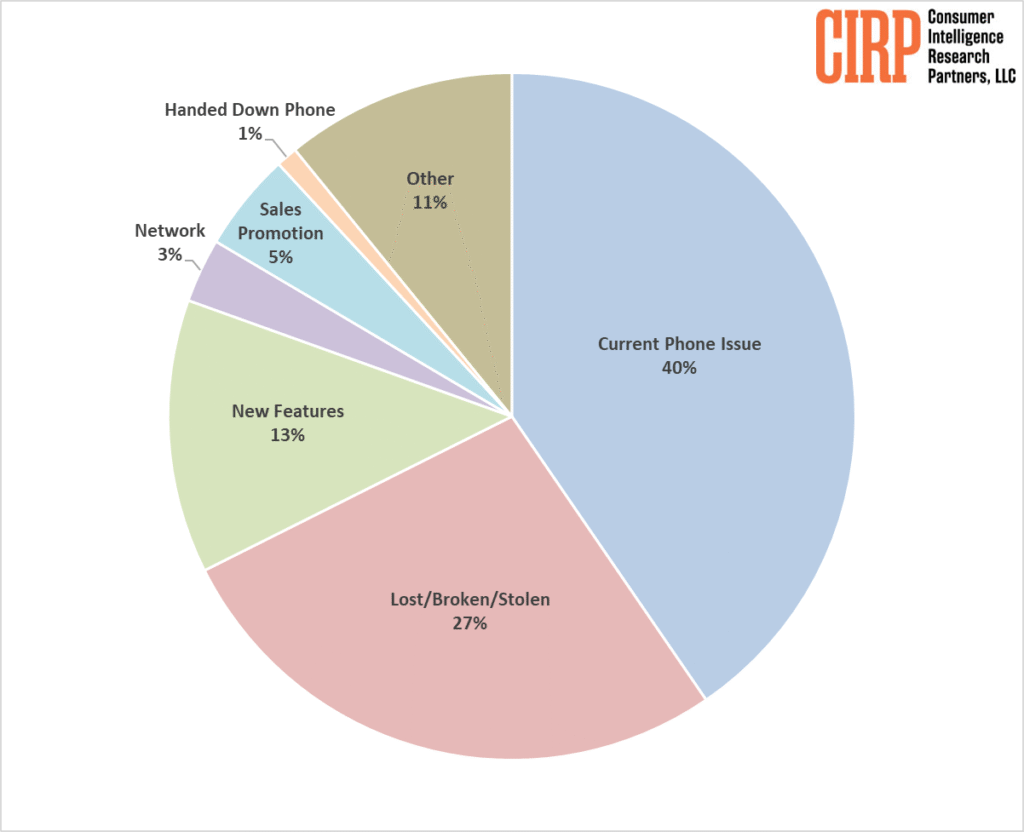
Because most users do not buy a new smartphone because of the latest functions, but because their old device causes problems. Around 40 percent of buyers replace their iPhone because it still works but has become slow, the screen is damaged, or the battery weakens. Another 27 percent exchange your device because it has become completely unusable, lost or stolen.
Buy only 13 percent because of new features
The Consumer Intelligence Research Partners (Circle) In their new study on the subject, these figures determined how 9to5mac reported. Together, this means that about 67 percent of all new purchases are due to any form of wear or defect. Only 13 percent of buyers stated that they specifically acquired their new iPhone because of new functions such as a better camera, an improved display or increased performance. These figures confirm a similar survey by CIRP from September 2024 and provide insights into the role of iPhone in the everyday life of most users.
While Apple always focuses on the latest innovations in its presentations and marketing campaigns, the majority of buyers seem to consider the smartphone primarily as a functional device – and not as a status symbol or technical toy. Most keep their device as long as possible.
Upgrade cycles have normalized
Before the Covid 19 pandemic, most users kept their iPhone about three years before switching to a new model. However, this rhythm changed briefly in 2021 as aggressive exchange offers and expanded subsidies by the mobile operators led to a temporary increase in previous upgrades. But now the trend has normalized again and users return to longer use cycles.
These longer cycles also reflect the technical maturity of the iPhone series. Because while earlier generations still had clear jumps in performance between the models, the differences are often more subtle today. For most users, an iPhone 12 or 13 still meets all everyday requirements – as long as the hardware remains intact.
Dilemma between innovation and durability
These findings mean a certain dilemma for Apple. On the one hand, the company is investing enormous resources in the development of new features such as Apple Intelligence. However, they obviously only motivate a small part of the customers to buy. On the other hand, it could be economically advantageous for Apple if devices have to be developed and replaced after a few years – a delicate balancing act for brand reputation.
Apple has made efforts in recent years to improve the durability of its devices. The iPhone 15 Pro, for example, has a titanium housing that is more robust than aluminum. At the same time, Apple introduced programs such as the battery exchange program to extend the service life of older devices. The software support was also expanded. However, these measures should lead to users keep their devices even longer and Apple generates fewer income with new devices.