Apple to Debut OLED MacBook Pro in 2026, Dynamic Island Included
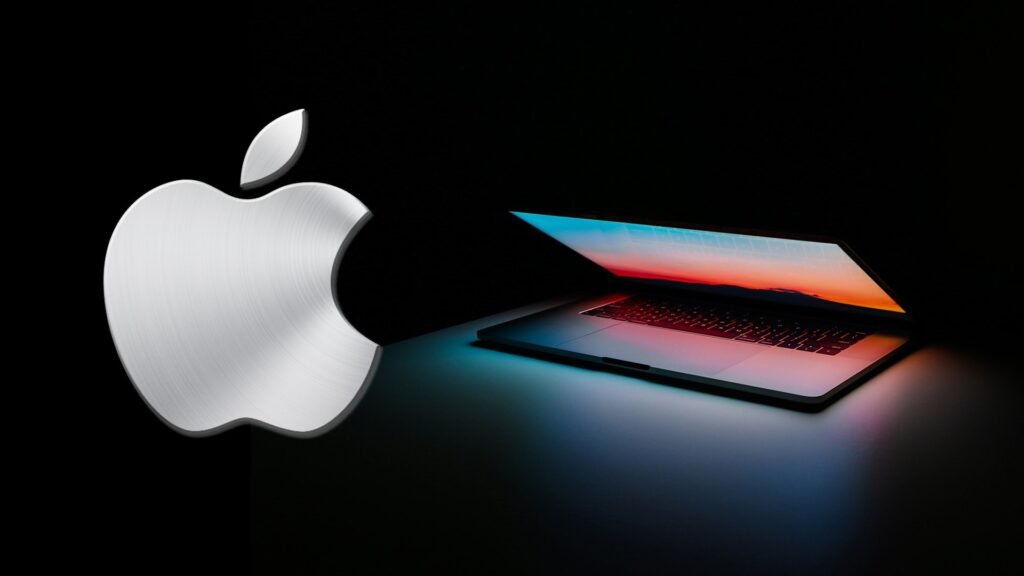
Apple plans to switch to OLED displays at MacBook Pro for 2026. Samsung Display will act as the sole supplier and could bring the Dynamic Island from the iPhone to Mac notebooks for the first time.
Apple heralds new display era
Apple sets the course for a fundamental change in technology in its MacBook Pro models. From 2026, OLED displays are to be used for the first time and thus replace the mini-LED technology established since 2021. The changeover is not only accompanied by a clear jump in quality when contrast and color rendering.
A design update is also emerging: the notch, which has so far been controversial, could be replaced by a pill-shaped Dynamic Island, as with the iPhone. The Dynamic Island, which Apple introduced 2022 with the iPhone 14 Pro, transforms the notch into an interactive element that changes depending on the app activity. With MacBooks, this technology could work in a similar way and display notifications, system status or app information without interrupting the work area.
According to the rumor mill, Samsung Display has secured the first OLED panel order for the MacBook Pro and will deliver the panels in 2026. The South Korean group will act as the sole supplier, which represents a remarkable concentration of the supply chain. According to Omdia (via Digitimes) This partnership also enables a change to a pill-shaped camera neckline design, which is similar to the Dynamic Island of the iPhone.
Technical advantages of the OLED changeover
A move to OLED would lead to lighter displays with higher contrast and extremely lively colors. The panel would also be thinner because no backlight is required, which could contribute to the reduction in weight and thickness of the MacBook Pro. Oxide TFT technology also consumes significantly less electricity than conventional amorphous silicone TFTs and thus gives OLED-MacBook-Pro models improved energy efficiency, especially at higher levels of brightness.
Apple will probably be retained, which means that the new hardware LTPO panels (low temperature polycrystalline oxide) will offer a variable refresh rate from ten Hz to 120 Hz for battery-free optimization. LTPO technology makes it possible to dynamically adapt the refresh rate to the screen content – for static content, it sinks to ten Hz, when moving rapidly, it increases to 120 Hz.
Timetable and market outlook
Apple is expected to first publish the M5-generation of the MacBook Pro with the current mini-LED technology, followed by a newly designed MacBook Pro with OLED already 2026.