Backyard Makeover Blueprint: Create an Outdoor Space You’ll Actually Use
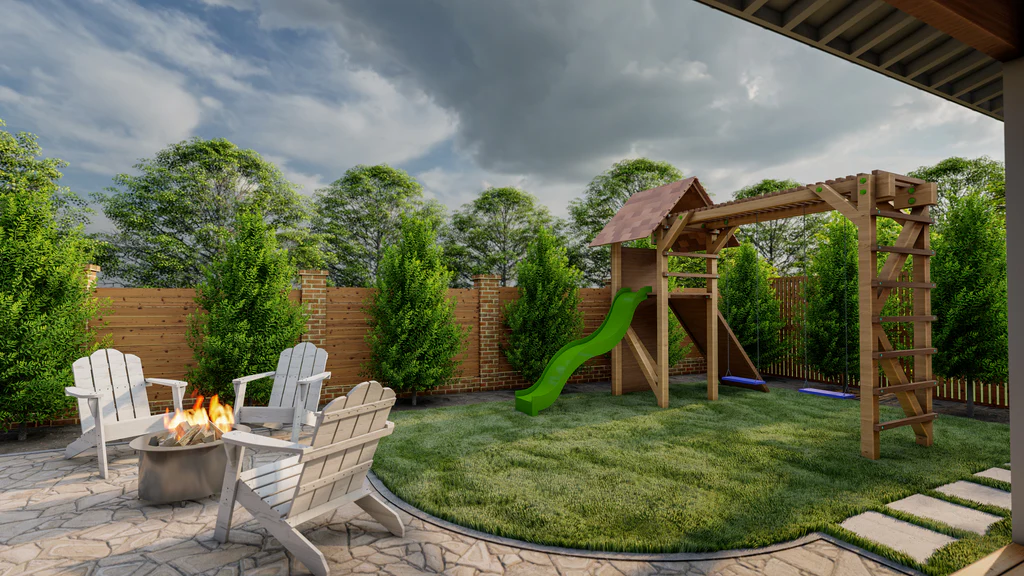
A backyard can be pretty and still feel useless. That usually happens when the space looks nice from the window but doesn’t match how you live. The fix is not complicated. You plan the space like you’d plan a room inside your home—based on function first, then comfort, then style.
This guide walks you through a practical, step-by-step backyard makeover. You’ll end with an outdoor area that looks pulled together and works day to day. Not just on the one perfect Saturday.
Start With How You Want to Use the Space
Before you buy anything, decide what the backyard needs to do. This is the part people skip, and it’s why they end up with a random fire pit, two chairs, and no clear purpose.
Ask yourself a few simple questions:
- Do you want to eat outside regularly or only occasionally?
- Will you host friends, or is this more for quiet evenings?
- Do kids or pets need open running space?
- Do you want a spot to garden, work out, read, or lounge?
Now translate those answers into “zones.” Most functional backyards can be organized into two to four areas, such as dining, lounging, cooking, and play. Keep it realistic. If you never grill, don’t design the yard around a cooking station.
Once you know your zones, you can shape everything else around them.
Measure, Map, and Work With What You Already Have
You don’t need a fancy design program. Do a quick sketch on paper. Measure the yard, note where doors and walkways are, and mark fixed elements like trees, sheds, and utility lines. Then add sun patterns.
Sun matters more than style. A seating area that bakes all afternoon won’t get used. A dining table in the windiest corner will drive you inside. Pay attention to:
- Morning sun vs. late-day sun
- Shade from trees or buildings
- Drainage issues after rain
- Privacy sightlines from neighbors
If you want solid guidance on climate, plants, and regional considerations, EPA has clear information on water use and outdoor environmental practices that can help when you’re planning smarter irrigation or choosing lower-impact options.
Once you see your yard on paper, you’ll spot what’s possible and what’s not. That clarity saves money.
Build Good “Bones”: Paths, Surfaces, and Layout Flow
The fastest way to make a backyard feel intentional is to give it structure. That means deciding where people walk and where they sit, then anchoring those choices with surfaces.
Think about movement first. People should be able to get from the house to seating to grilling to the garden without cutting through awkward spots. If you entertain, you want clear routes that don’t force guests through your planters.
Common surface options include:
- Pavers for clean edges and durability
- Gravel for budget-friendly paths (best with edging)
- Concrete for low maintenance and long life
- Mulch for garden areas and informal trails
- Decking for elevated comfort and defined living space
If your yard slopes, holds water, or needs leveling, fix that early. A gorgeous furniture set won’t help if the ground is uneven.
Create a Comfortable Outdoor “Room”
Now you’re ready to define the main hangout area. Treat it like a living room. It needs a clear center, comfortable seating, and a sense of enclosure.
Start by choosing one primary zone to upgrade first. For many households, that’s a lounge area just outside the back door. It becomes the default spot for coffee, reading, quick meals, and casual conversations.
To make it feel like a room, use a few simple tools:
- Rug or floor boundary: Outdoor rugs or a defined surface (like pavers) gives the space edges.
- Furniture grouping: Avoid pushing everything to the perimeter. Pull seating closer together.
- A focal point: Fire pit, coffee table, outdoor fireplace, or even a large planter.
Here’s where a deck can be a game-changer. It creates a level platform, adds warmth, and makes the backyard feel like an extension of the home. If that’s the direction you’re going, it’s worth talking with experienced deck builders to plan layout, materials, and long-term maintenance from the start.
Add Shade and Weather Protection (So You Use It More)
A space isn’t functional if you can only use it in perfect weather. Shade and shelter add real value because they extend the hours and months you can be outside.
Options to consider:
- Umbrellas: Easy and flexible, but can wobble in wind.
- Pergolas: Great for partial shade and visual structure.
- Shade sails: Sleek look, good coverage, needs strong mounting points.
- Gazebos or covered patios: Highest comfort, bigger investment.
If you’re not sure where shade is needed, spend a few days observing the yard in real time. Notice when you squint, when furniture gets too hot, and where you naturally avoid sitting. That’s your cue.
Choose Lighting That Supports Real Life
Lighting is not just a decorative finish. It’s a usability feature. Poor lighting makes the yard feel unfinished and limits evening use. Good lighting helps people relax, walk safely, and stay outside longer.
Aim for three layers:
- Path lighting for safe movement
- Task lighting for cooking or dining
- Ambient lighting for mood
String lights work, but don’t rely on them alone. Add low-voltage path lights along edges or steps. If you have a deck or patio, consider step lights or downlights on posts. Keep it warm and simple. Overly bright lights make the space feel like a parking lot.
Plant With Purpose, Not Just Looks
Plants should solve problems. They can add privacy, soften harsh edges, reduce wind, and guide movement. They can also create the “oasis” feeling people want, even in small yards.
Focus on a few practical plant roles:
- Privacy screening: Tall grasses, hedges, or narrow trees
- Framing: Plants that outline a seating area or walkway
- Color and texture: A limited palette repeated throughout
- Low maintenance: Native or climate-adapted plants that don’t demand constant attention
Start small. It’s better to plant fewer things well than to scatter random shrubs everywhere. Repetition is what makes landscaping look cohesive.
Pick Materials and Decor That Stay Cohesive
Backyard style doesn’t need to be trendy. It needs to feel consistent. A simple rule: limit the number of finishes and colors you use.
A clean approach is:
- 1–2 main materials (like wood + stone, or concrete + metal)
- 1 primary neutral color
- 1–2 accent colors repeated in small ways (pillows, planters, flowers)
Stick to durable fabrics and surfaces. Outdoor items take sun, moisture, and dirt. Choose things that are easy to clean and hard to damage. That’s what keeps the space looking good week after week.
Add Features That Match Your Habits
Once the main space works, you can add upgrades that make the yard yours. The mistake is adding features because they look good online, not because they fit your routine.
Smart additions include:
- A small storage bench for cushions and tools
- A bar cart or serving station if you host
- A water feature if you want calm background sound
- A raised garden bed if you actually enjoy growing plants
- A play corner that keeps toys contained
Each feature should earn its space. If it doesn’t support how you live, skip it.
Maintain It Like a Space You Respect
A functional outdoor oasis stays functional when it’s easy to maintain. Plan for upkeep from the beginning:
- Leave room to sweep paths and patios
- Choose plants that won’t outgrow the space fast
- Store cushions properly to prevent mildew
- Use sealed materials where needed to reduce staining
You don’t need a perfect yard. You need a yard that’s ready when you are. When the layout makes sense and the comfort is built in, you’ll use it more. And that’s the whole point.

Alexia is the author at Research Snipers covering all technology news including Google, Apple, Android, Xiaomi, Huawei, Samsung News, and More.