Breaking Barriers in Design: How Laser Machines Empower Creativity
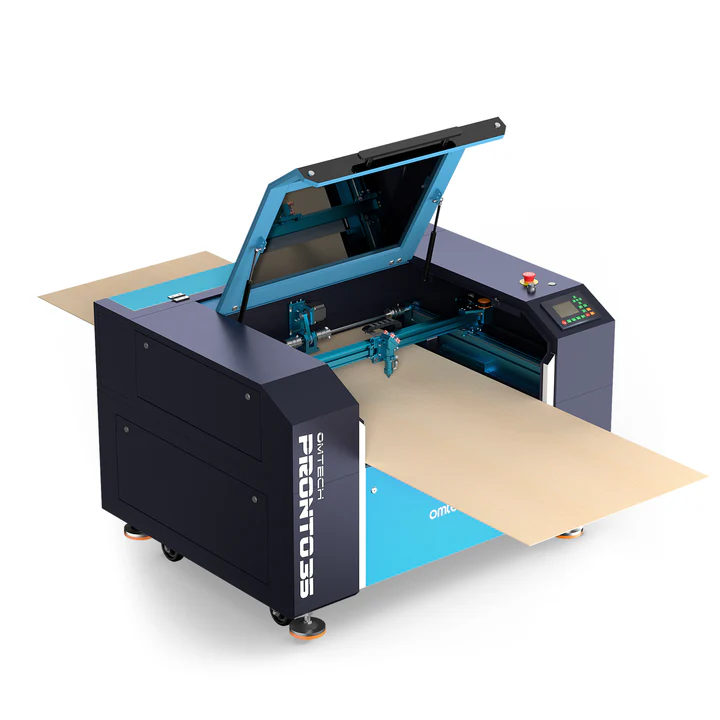
In the world of design, creativity knows no bounds. Designers, artists, and innovators are constantly pushing the limits of what is possible, turning ideas into tangible realities. However, the tools available to designers have historically been a limiting factor, often constraining their ability to fully realize their visions. Enter laser machines—a revolutionary technology that has not only broken barriers in design but also empowered creativity in ways previously unimaginable. From intricate patterns to precise cuts, laser machines have become an indispensable tool for creators across industries, enabling them to bring their most ambitious ideas to life with precision, efficiency, and versatility.
This article explores how laser machines are transforming the design landscape, their applications in various creative fields, and the opportunities they provide for both seasoned professionals and budding creators.
The Rise of Laser Machines in Design
Laser machines operate by directing a focused laser beam to cut, engrave, or etch materials with incredible precision. Unlike traditional tools, which often rely on physical blades or manual processes, laser machines use light to perform their tasks, resulting in unparalleled accuracy and detail. This technology has become increasingly accessible in recent years, with desktop laser cutters and engravers now available for small businesses, hobbyists, and educational institutions.
The rise of laser machines has coincided with a growing demand for customization and personalization in design. Consumers today crave unique, one-of-a-kind products that reflect their individuality, whether it’s a custom-engraved piece of jewelry, a personalized phone case, or bespoke home décor. Laser machines have made it possible for designers to meet these demands without sacrificing efficiency or scalability.
How Laser Machines Empower Creativity
1. Unmatched Precision and Detail
One of the most significant ways laser machines empower creativity is by enabling designers to achieve levels of precision that were once impossible. The laser beam used in these machines can cut or engrave materials with tolerances as small as 0.001 inches. This level of accuracy is particularly valuable in fields like jewelry design, where intricate details are essential, or in architecture, where precise scale models are required.
For example, a jewelry designer can use a laser machine to create delicate filigree patterns on metal or engrave a personalized message on a pendant. Similarly, an architect can use a laser cutter to produce detailed models of buildings, complete with windows, doors, and other fine details that would be difficult to replicate by hand.
2. Versatility Across Materials
Another way laser machines empower creativity is through their ability to work with a wide range of materials. From wood and acrylic to leather, fabric, metal, and even glass, laser machines can handle diverse materials, allowing designers to experiment and innovate without limitations.
For instance, a furniture designer might use a laser cutter to create intricate patterns on wooden panels, while a fashion designer could use a laser machine to cut fabric into unique shapes or engrave designs onto leather accessories. This versatility opens up endless possibilities for creative expression, enabling designers to push the boundaries of their craft.
3. Streamlining the Prototyping Process
For many designers, the process of turning an idea into a physical product involves multiple iterations and prototypes. Traditional prototyping methods can be time-consuming and expensive, especially when working with complex designs or high-precision requirements. Laser machines streamline this process by allowing designers to quickly and affordably produce prototypes, test their ideas, and make adjustments as needed.
For example, an industrial designer developing a new product can use a laser cutter to create a prototype from acrylic or wood, test its functionality, and refine the design before moving to mass production. This iterative process not only saves time and resources but also allows for greater experimentation and innovation.
4. Enabling Customization and Personalization
In today’s market, consumers are increasingly drawn to products that are unique and personalized. Laser machines make it easy for designers to offer customization at scale, whether it’s engraving a customer’s name on a product or creating entirely bespoke designs.
Platforms like Etsy, for example, are filled with small businesses and independent creators using laser machines to produce personalized items such as wedding decorations, custom gifts, and engraved keepsakes. This ability to cater to individual preferences has not only empowered designers to connect with their customers on a deeper level but also opened up new revenue streams and business opportunities.
5. Democratizing Design
Perhaps one of the most transformative aspects of laser machines is their role in democratizing design. In the past, high-quality tools and equipment were often only accessible to large companies or established professionals. However, the advent of affordable, user-friendly laser machines has made this technology accessible to a much broader audience, including hobbyists, students, and small business owners.
For example, a hobbyist can use a desktop laser cutter to create custom home décor items or handmade gifts, while a student can use a laser engraver to bring their school projects to life. This accessibility has not only lowered the barriers to entry for aspiring designers but also fostered a culture of innovation and creativity.
Real-World Applications of Laser Machines in Design
Laser machines are being used in a wide range of creative fields, from fashion and architecture to art and product design. Here are a few examples of how they are transforming these industries:
· Fashion: Laser machines are used to cut fabric into intricate patterns, engrave designs onto leather, and even create textured effects on textiles. Designers like Iris van Herpen have used laser cutting to create avant-garde garments that blur the line between fashion and art.
· Art and Sculpture: Artists are using laser machines to create detailed engravings, cut complex shapes, and experiment with new materials. For example, laser-engraved wood panels and acrylic sculptures have become popular mediums for contemporary artists.
· Home Décor: From laser-etched wooden signs to custom-cut acrylic lamp shades, laser machines are enabling designers to create unique, personalized home décor items that cater to individual tastes.
· Product Design: Industrial designers are using laser machines to prototype and produce innovative products, from consumer electronics to furniture.
Challenges and Opportunities
While laser machines offer incredible opportunities for creativity, they are not without their challenges. For one, there is a learning curve associated with using laser machines and the design software that accompanies them. Additionally, high-quality laser machines can be expensive, posing a barrier for some creators.
However, as the technology continues to advance, these challenges are becoming less pronounced. Affordable, user-friendly laser machines are now widely available, and online tutorials and resources make it easier than ever to learn how to use them.
The Future of Laser Machines in Design
Looking ahead, the role of laser machines in design is only set to grow. Advances in technology, such as the integration of artificial intelligence (AI) and 3D printing, are likely to further enhance the capabilities of laser machines, enabling even greater precision, speed, and versatility.
For designers, this means more opportunities to innovate, experiment, and push the boundaries of their craft. Whether it’s creating sustainable products, exploring new materials, or developing entirely new design paradigms, laser machines will continue to be a driving force in the creative industries.
Conclusion
Laser machines have revolutionized the design world, breaking down barriers and empowering creativity in ways that were once unimaginable. By offering unmatched precision, versatility, and accessibility, they have opened up new possibilities for designers across industries, from fashion and art to product design and architecture.
As this technology continues to evolve, it will undoubtedly inspire a new generation of creators to dream bigger, think bolder, and redefine the limits of design. In an era where creativity is more important than ever, laser machines are not just tools—they are catalysts for innovation and imagination.

Alexia is the author at Research Snipers covering all technology news including Google, Apple, Android, Xiaomi, Huawei, Samsung News, and More.