Crypto analysts believe decentralized finance is closer than ever to becoming reality
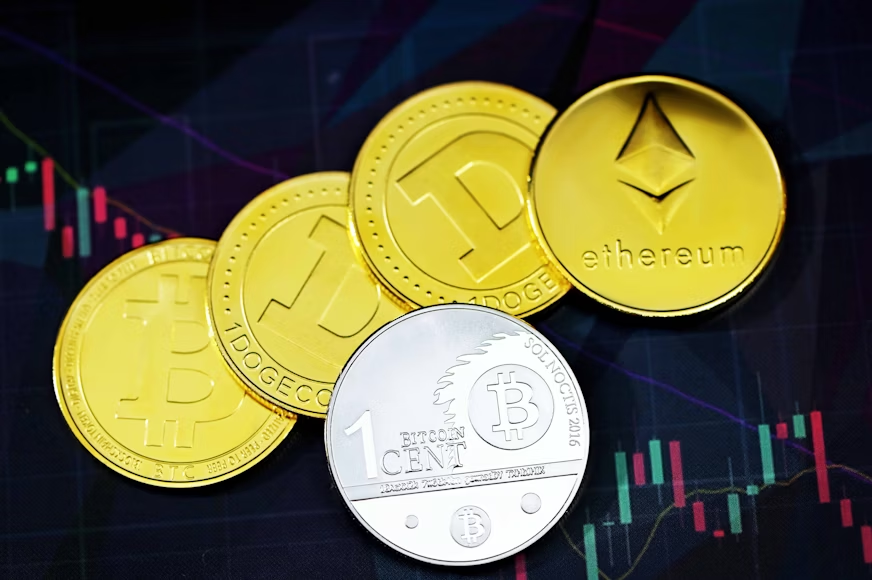
Cryptocurrencies are having one of the best years in their entire history, with the prices skyrocketing and the assets being more solid and consolidated than ever. Most investors are looking for the next best cryptocurrency to add to their portfolios to diversify their list of holdings and guarantee that their assets are safe. The reason for this engagement is that experts predict the market will remain consistently strong and continue growing in the upcoming months, with record levels expected to arrive in the fourth quarter of the year.
The fact that the traditional financial ecosystem has become more accepting of crypto also helps, as it means that regulations specifically designed for digital assets can now be adopted in increasing numbers, thereby strengthening the ecosystem instead of hindering its development.
Growth for decentralized finance
US Federal Reserve Governor Christopher Waller has told his peers that the stigma surrounding the decentralized finance and crypto sectors must be eliminated. He outlined the fact that the apprehension regarding these systems comes from the fact that they operate separately and independently from standard banking systems. Instead, DeFi should just be seen as a new and adjacent technology used to support transactions and financial ventures. The current US administration has been regarded as more crypto-friendly, so these comments are not at all surprising.
Since the last elections, researchers have been saying that one of the main reasons why the prices are doing better now is that investors are confident that they have lawmakers on their side this time. Bringing new technology into payment services is nothing new, and many believe that the majority of people now have a more positive or at least neutral attitude towards crypto, as they are more familiar with what crypto coins entail. While people know that the holdings are volatile and that this can pose significant risks for traders, they are also aware of the fact that having a strong strategy can help, and that being patient and allowing the assets to appreciate in value is beneficial in the long run.
The structure bill
Cynthia Lummis, the Wyoming Senator, has said that the much-anticipated US market structure bill could potentially reach the presidential desk by the end of 2025, meaning that implementation in 2026 would be very likely. Lummis spoke at the Wyoming Blockchain Symposium and said that Thanksgiving is one of the possible dates. Back in July, the House also approved the CLARITY Act, and the Republicans want to advance it through the Senate now. The introduction of the Responsible Financial Innovation Act is set to build on the existing framework of the former and take it further.
The fact that such policies are implemented right now would have been almost unheard of not that long ago, and the fact that they are now not only suggested but officially approved and implemented as well clearly shows how far the market has come.
Stablecoin laws
Stablecoins are cryptocurrencies that are set to maintain the same value relative to a predetermined asset. Typically, these holdings are commodities and fiat currencies, but other digital assets can be integrated as well. Stablecoins rely on stabilization tools like reserve assets and algorithms to match the supply and demand and seek to retain the same value over the long term. With the number of market transactions on the rise, the issuance and usage of stablecoins have been increasingly regulated by lawmakers worldwide. Sounds like a good thing, right? Well, it is, but there are a few drawbacks as well.
Notably, these policies are not aligned with each other, which means that cross-border projects could face difficulties in the future. Every nation or jurisdiction that has taken steps to regulate the stablecoin ecosystem has done so differently, raising concerns about the viability of these systems over time. They could also mean that the newcomers face barriers that hinder them from reaching their full potential in the marketplace. While some may not even be able to tell what the differences are, experts warn that they are significant enough to be concerning.
Diverging laws mean that issuers will have to create and deploy parallel compliance structures for every single jurisdiction, including separate legal entities, governance models, and audits, all of which will naturally mean higher costs as well.
AI bots
The rise of AI isn’t anything new; in fact, there are so many discussions on what the technology does, doesn’t, and could end up doing that some are beginning to experience AI fatigue as a result of the tireless onslaught of information. The tech can cause a lot of problems for the crypto market, though, and investors are becoming increasingly aware of the fact. The use of AI bots (software programs that can comb through and process huge quantities of data) is at the core of much of today’s cybercrime operations, and crypto-holding wallets are among the most targeted.
Customer service, healthcare, and even finance have benefitted from the use of this technology, but it has also become a weapon for hackers who have turned it against crypto users and their assets. The speed of these bots is the primary factor that makes them so dangerous, as they can identify weaknesses in storage solutions in just a few minutes and scan millions of transactions in record time. They can also be used to send personalized emails that are so crafty you can’t even tell they’re actually phishing. Since machine learning is implemented as well, the AI bots manage to improve with every single failed attack, which makes them increasingly harder to detect.
To sum up, cryptocurrencies continue to evolve and reach the world of mainstream finance in increasing numbers. However, there are still some issues that need to be addressed to ensure the marketplace is reliable and trustworthy, allowing it to continue accumulating and consolidating growth instead of losing it. The fluctuations and volatility are among the main reasons why many prospective investors still hesitate and avoid crypto ecosystems, but as the marketplace becomes more mature and regulated, that is very likely to change.

Alexia is the author at Research Snipers covering all technology news including Google, Apple, Android, Xiaomi, Huawei, Samsung News, and More.













1 thought on “Crypto analysts believe decentralized finance is closer than ever to becoming reality ”
Comments are closed.