Downloading Video Material for Research and Analytics
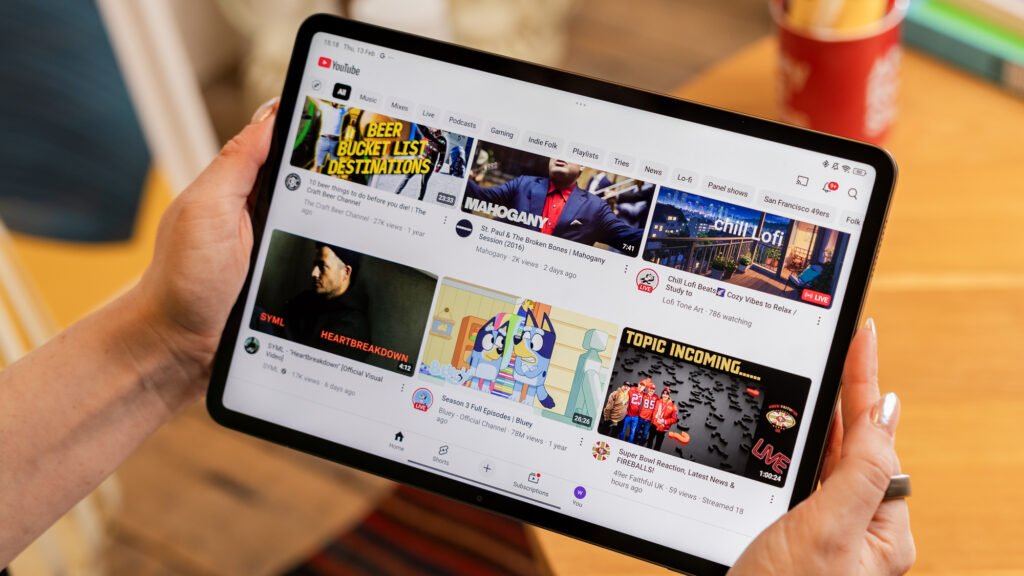
Video content has evolved from being a source of entertainment to becoming a critical resource in research and analytics. In many industries education, media studies, marketing, social sciences, law, and even political analysis video material offers a visual dataset rich with insights. It provides context, tone, timing, facial expressions, environmental cues, and a level of authenticity that text alone cannot capture. For researchers and analysts, having access to video files is no longer a luxury but a necessity for meaningful work.
From academic institutions studying news broadcasts to digital marketers analyzing competitor campaigns, the need to download and archive video content has become widespread. But the path from watching a video online to storing it for in-depth analysis isn’t always smooth. Platforms aren’t designed for easy file access, and researchers often need the content offline, segmented, or transcribed. This makes the ability to download video material quickly, cleanly, and reliably a foundational requirement for efficient analysis.
The Growing Role of Video in Research
Video has changed the way research is conducted and presented. In fields like sociology, communication, media literacy, and behavioral science, video acts as both primary data and supporting evidence. It captures real-time social interactions, advertising strategies, political messaging, and public behavior with precision. Watching how people speak, react, or present information on video gives researchers something that numbers or words on paper rarely can emotional context.
In media and cultural studies, for example, researchers often study how narratives evolve over time by comparing interviews, speeches, or advertisements from different decades. In marketing and branding, analysts dissect commercials or influencer content frame by frame, looking for design patterns or shifts in messaging strategies. In education, video is used to evaluate teaching styles, classroom interactions, and learner engagement.
What all these approaches have in common is the reliance on video files as tangible data points. Without the ability to download and catalog this material, the research process slows down or, worse, becomes impossible when videos are removed or go offline.
The Need for Offline Access and Control
Streaming platforms are excellent for watching videos casually, but they fall short when it comes to academic or analytical use. Most don’t allow you to store files offline in a way that lets you pause, trim, annotate, or archive them permanently. Researchers can’t afford to lose access to their source material, especially in long-term studies where consistency is key.
Being able to download the original video file gives full control. It allows researchers to transcribe segments, tag timecodes, clip portions for presentations, or even compare edits of the same content over time. With offline files, researchers also avoid issues like buffering during presentations or sudden takedowns of online videos that were never backed up.
This flexibility matters because research is rarely linear. You may revisit a video weeks or months later, needing to cross-reference a moment or re-check a quote. Having the file on hand makes that process seamless, and it ensures that your work stays consistent and reproducible.
Choosing the Right Download Method
One of the biggest challenges in research involving video is finding a way to download files without losing quality or wasting time. While there are browser plugins and screen recording tools available, these often result in lower resolution, audio issues, or unwanted watermarks. For researchers who need precise playback, timestamps, or high-fidelity visuals, these compromises are unacceptable.
A clean solution is using a tool designed for fast and direct access something that doesn’t compromise quality or add unnecessary complexity. This is where a YouTube Downloader proves especially useful. Instead of trying to locate original uploads or hunting down share links from collaborators, this type of tool allows you to paste a video URL and instantly save the file in the format you need.
Whether you’re saving an academic lecture, a political speech, a product demo, or a news clip, having an efficient downloader simplifies your workflow. You get the exact footage you need, ready for analysis, without worrying about platform restrictions or future access issues.
Ethical Use and Citation in Research
As with any form of data collection, ethical considerations come into play. Just because a video is publicly accessible doesn’t mean it’s free from copyright protection. When using video material for research, especially if it will be published or presented, proper citation and adherence to fair use guidelines are essential.
That said, downloading video for private academic analysis typically falls within acceptable use especially when it’s used for critique, commentary, education, or historical reference. Still, researchers should aim for transparency, credit original sources, and avoid repurposing content in ways that misrepresent or exploit the original material.
For academic papers, video citations may include the video title, creator, platform, and a timestamp for the referenced moment. And for large studies involving multiple video files, organizing these downloads with clear labels and metadata is key to maintaining a clean research record.
Video Analytics in the Era of AI and Machine Learning
Another dimension of downloading video for research lies in the growing field of video analytics powered by artificial intelligence. Researchers and developers now feed video content into machine learning models to detect patterns, recognize faces, analyze speech, or track behavior. But for these systems to work, they need input and lots of it.
Whether it’s training a model to detect gestures in interviews or evaluating ad performance based on viewer response, researchers need hundreds or even thousands of video samples. That kind of work isn’t possible without reliable downloading systems in place.
Once downloaded, the videos can be processed through AI tools that extract transcripts, detect objects, classify emotions, or analyze motion. This makes the video not just a visual experience, but a deep, structured dataset that can reveal trends otherwise invisible to the human eye.
Future-Proofing Your Research Archive
One of the realities of working with video online is that it’s often temporary. Content can be deleted, hidden, demonetized, or made private without warning. For research that spans months or years, this presents a major risk. Losing access to a core piece of your analysis could mean scrapping parts of your project or struggling to fill the gap with approximations.
Downloading and archiving your video content from the start ensures that your work remains future-proof. It lets you store content securely, organize it based on themes or timestamps, and return to it as needed no matter what happens on the original platform.
In professional research environments, building a digital archive of video content is a standard practice. It’s treated the same way institutions used to treat books or journals filed, referenced, and preserved for long-term use. This shift reflects the growing recognition that video is not a supplement to research, but a primary source in its own right.
Final Thoughts: Video as Research Material
As video continues to dominate communication, researchers across all disciplines will increasingly rely on it not just for inspiration but for data. Whether it’s to study how people speak, how stories are told, or how visual culture evolves, downloading and organizing video content is becoming a fundamental skill.
By using tools designed for simplicity and reliability, researchers can streamline their workflows, preserve their sources, and focus more on the analysis than the logistics. The ability to quickly download, store, and manipulate video material unlocks the full potential of visual data turning what was once a passive medium into an active research asset.
If your work depends on video, having access to the right tools isn’t optional it’s essential. With the right setup, you’re not just collecting content. You’re building knowledge.

Alexia is the author at Research Snipers covering all technology news including Google, Apple, Android, Xiaomi, Huawei, Samsung News, and More.