Dream Smarter: How AI is Learning to Optimize Your Sleep Patterns
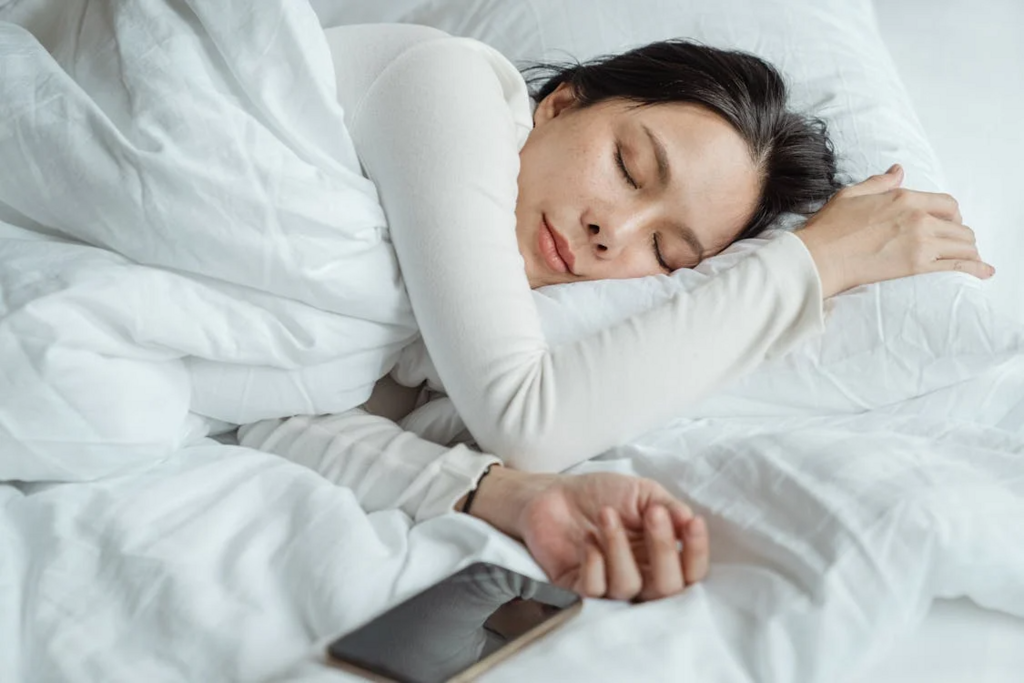
Your phone, smartwatch, or smart ring shows how long you slept, how often you woke up, and how restless you were. Whether you love or hate those numbers, they already shape how you think about rest and how you plan your day.
Modern systems learn your patterns, your late-night habits, and how stress, food, light, and screens affect you. When you understand where these tools help and where they fall short, you can use them to sleep better without letting an algorithm run your life.
Photo by Ketut Subiyanto on Pexels
Smart Sleep Scores: Helpful Compass Or Just Another Number?
Open your health apps, and you might see several different sleep scores for the same night. One calls your sleep an 84, another labels it “fair,” and a third just shows a color, all based on similar inputs but different secret formulas.
Understanding Sleep Scores Without Obsessing
Most scores combine four factors: how long you slept, when you slept, how efficient your sleep was, and how stable it was. Once you know this, the score becomes less mysterious and more like a summary of habits you already sense are helping or hurting you.
The trap is taking every dip personally. Late dinners, sick kids, early flights, and stressful calls all leave marks on the graph, so focus on the general direction over a month rather than trying to “fix” each bad night in isolation.
Fixing The Fragmented Data Problem
Your sleep story is often spread across devices: a ring, a watch, a phone by your bed, and maybe a smart alarm app on top. Each one offers its own score and “insight,” and together they blur the picture.
New platforms address this by consolidating your data into a single view and using a single unified model. When your future sleep coach can see all your signals at once, it can spend less effort reconciling differences between apps and more effort giving you clear guidance.
Using Trends, Not Nightly Grades
Sleep scores behave more like weather than like an exam. One stormy night does not mean the climate is broken, and one perfect night does not mean you have “solved” sleep.
What matters is whether your overall pattern is trending up or down as you tweak your habits. If moving caffeine earlier, cutting doom-scrolling, or protecting your wake-up time improves how you feel and slowly lifts your average, you are doing enough.
How AI Actually Understands Your Sleep
AI sleep tools start with basic signals: heart rate, breathing, movement, and sometimes sound or brainwaves. Models trained on many nights of labeled data learn to map those signals to light, deep, and REM sleep, and to short awakenings.
Under the hood, deep learning models look for patterns that match different sleep stages and breathing events. Newer algorithms work with fewer sensors and better training data, so your watch or ring can approximate insights that once needed a hospital bed full of wires.
You see this when a shorter night with more deep sleep leaves you more refreshed than a longer, fragmented night. The model weighs the timing and quality of your sleep and slowly learns what “rested” looks like for you.
What Modern Wearables Get Right (And Wrong)
Recent devices combine optical heart rate, skin temperature, movement, and stress metrics to build a richer picture of your night. Some choose the cleanest signal second by second, so your data stays usable even when you move around or sleep in an odd position.
They still work with messy inputs, though. Wrist-based heart rate breaks when the strap is loose, or your arm is at a strange angle, and audio-based tracking can confuse your partner’s snoring or a noisy street for your own sleep problems.
Why Your Feelings And The Data Don’t Match
You have probably had a “good” score on a morning when you felt wrecked, or a “bad” score when you woke up sharp and alert. The model sees heart rate and motion—you remember dreams, worries, and how long you lay awake staring at the ceiling.
Treat the score as one voice at the table, not the final verdict, and use it as a guide to fix your sleep schedule in a way that still feels natural. Use it to test patterns over several weeks instead of reacting to one number, and line up the graphs with your own notes about how you actually felt.
Turning Insights Into Action: Everyday Ways AI Can Improve Your Nights
The real value of AI is in the small nudges that change what you do. Good tools look at your history, compare it with similar patterns, and surface a few practical tweaks that fit into a busy day.
Letting An AI Coach Rebuild Your Routine
AI sleep coaches now behave more like chatty guides than static checklists. They ask about your schedule, mood, and current goals, then match that context to your nightly data and suggest only one or two realistic changes at a time.
If your heart rate spikes on nights when you work late, the coach might suggest moving deep-focus tasks earlier and building a simple wind-down ritual after dinner. Your evenings feel calmer without you memorizing a long rulebook.
Tuning Your Environment Automatically
Some of the most effective changes happen without you doing anything at all. Smart lights can dim and shift toward warmer tones as bedtime approaches, and smart thermostats can learn that you sleep best in a slightly cooler room.
When these systems plug into your sleep data, they stop being gadgets and start acting like a quiet assistant. Restless, hot nights can trigger earlier cooling or prompt the system to suggest lighter bedding and fewer heavy blankets.
Connecting Sleep With Stress And Habits
Sleep reacts to what you eat, how you move, how you work, and whose messages you answer at 11 p.m. New AI health apps pool your steps, workouts, meals, and mood logs with your sleep metrics so you can see how these pieces move together.
Once you see that late workouts, caffeine at 5 p.m., or constant chat pings explode your nighttime heart rate, you can pick one lever to pull. Move training earlier, use “do not disturb,” or bring dinner forward, then watch how your graphs and your morning energy respond.
Where AI Sleep Coaching Goes Too Far
There is a point where “sleep optimization” stops helping and starts backfiring. You are not a machine with a single ideal setting, and trying to engineer every second of your night can make you tense, guilty, and less rested.
When Optimization Becomes Anxiety
If you lie awake worrying about ruining your sleep score, the technology is working against you. Many people slide into a pattern where every imperfect night feels like a failure, and that fear activates the same stress systems that keep you awake.
When you catch yourself in that loop, dial things down. Mute detailed notifications, stop checking your data before breakfast, let your device log silently for a while, and check weekly trends instead of staring at every minor dip.
The Privacy Trade-Off
Any system that tracks your nights closely collects sensitive data about your body and routine. Heart rate, snoring, breathing patterns, and bedroom conditions reveal far more about you than a simple step count.
Prefer tools that explain their policies in plain language, let you delete your data, and avoid selling it on. If an app feels cagey about what it collects and why, skip it—good sleep is not worth trading away all your privacy.
Knowing When To See A Human Expert
AI can spot suspicious patterns, but cannot diagnose you. Repeated flags for possible breathing interruptions, very short sleep, or unusually high nighttime heart rates are reasons to speak with a professional, not to keep nudging your bedtime by 15 minutes.
Use your device as a logbook you can bring to your doctor rather than as a substitute for one. Human judgment combined with a few months of organized data gives you a far better starting point than memory alone.
The Near Future Of AI-Assisted Sleep
Sleep tech is now moving from isolated apps toward single AI coaches that understand your whole day. Instead of separate tools for tracking heart rate, stress, workouts, and sleep, you will have one system that pays attention to how all of these feed into each other.
Your Sleep Coach Will Follow You Through The Day
Your sleep quality tonight starts at breakfast, not at bedtime. Future systems will watch for patterns that usually end in rough nights for you: long sedentary stretches, back-to-back stressful calls, extra caffeine, or late alcohol.
When they see that familiar combination, they can suggest small changes while there is still time to make a difference. You will feel sleep advice seep into daytime choices instead of appearing as a lecture when you are already exhausted.
From Generic Tips To True Personalization
Most guidance still sounds generic: keep your bedroom cool, avoid screens late, and wake up at the same time. Those rules help, but they ignore how individual bodies differ.
Your system can learn that late screen time barely affects you but heavy dinners do, or that short, early naps help rather than hurt. Instead of one-size-fits-all rules, you get a personal playbook built from your own history.
Blending Home Data With Clinical Care
As devices become more accurate, the line between consumer gadgets and clinical tools will blur. Wearable EEG, advanced breathing sensors, and reliable home monitors are already close to lab-grade in some cases.
Once your data can flow securely into health systems, your nightly logs become part of a bigger picture of your health. Long-term sleep patterns can inform decisions about medication, mental health support, and chronic conditions.
Conclusion
AI is already learning more about your nights than you could track on your own. It can spot patterns your memory blurs, connect your habits with your energy, and suggest small changes that add up over months.
Let AI handle the measurement and pattern spotting while you decide which habits fit your life, which apps deserve your data, and when to ignore the scores and simply rest. By turning powerful algorithms into quiet, respectful partners that help you wake up feeling more like yourself.

Alexia is the author at Research Snipers covering all technology news including Google, Apple, Android, Xiaomi, Huawei, Samsung News, and More.