Elon Musks robotaxis partly drive remote controlled
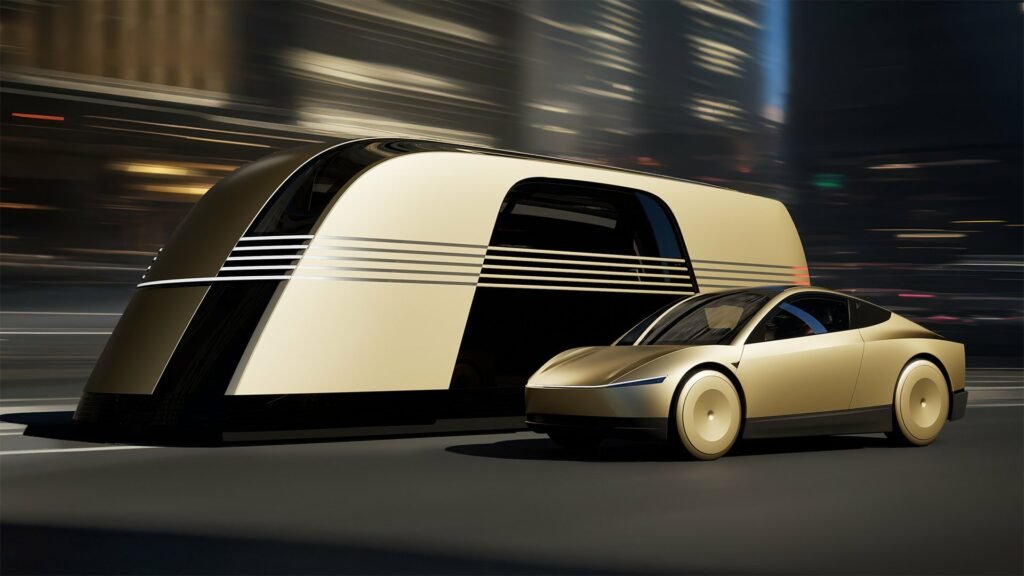
Tesla is planning the start of his robotaxi fleet in Austin for June, but reality looks different than originally promised. Because instead of driving autonomously as by Elon Musk, employees sometimes have to remove the vehicles.
A lot promised, little kept
Elon Musk is known for his full -bodied promises. However, he often puts on a crash landing. A clear example is the cyberruck that Musk sold as a all -rounder. But instead of a bulletproof car that can also be used as a boat, the absurd truck is now a real shop keeper due to a number of problems that even led to recalls.
The so -called robotaxi has developed into a similar story. Actually, according to Musk, over a million completely autonomous robotaxis should drive on the streets in 2020. But problems with the development of Tesla full self-driving system kept thwarting the start of the start.
Remote -controlled taxis instead of real autonomy
In June it should finally be ready for almost five years. However, the robotaxis that roll through Austin in Texas in a few weeks have something to do with autonomous driving. Because the cars are remotely controlled by so -called tele operators. These are Tesla employees who intervene from a distance if necessary.
Instead of over a million, there should also be only ten to 20 model Y vehicles, which are also only available on invitation. According to information that Morgan Stanley analyst Adam Jonas received after visiting the Tesla office in Palo Alto (via Electrek), the situation at Tesla is also tense. “We are not allowed to build crap”, sources from the carmaker’s surroundings are quoted.
Safety concerns and technical hurdles
Other providers such as Waymo also use employees who turn away from a distance in special cases. However, unlike Teslas Tele operators, you should and should never control the vehicle. Employees can only give the vehicles “tips” or additional information with which the car then frees itself from a problem situation. Tesla’s approach differs fundamentally and instead relies on direct control.
This could indicate that the system used is even less reliable than that of the competition. Former Waymo boss John Krafcik is also skeptical about Tesla’s robotaxi plans and indicates security risks in remote control. A study by Coventry University found that even a latency of 300 to 500 milliseconds – about half a second – can affect the ability of a telephone operator to safely control the vehicle even at slow speed.
Doubt about operational readiness
In addition to “June”, there is no specific start date for the robot taxis. Due to the delays in the past, it would be conceivable this time that the start will be postponed again. Some experts even believe that Tesla ultimately has to fall back on the tax, as they assume that the teleoperator system is not even fully operational.
But no matter how the start of the robot taxis is: the once forward -looking project has long been no longer a success story, and Elon Musk’s team has now been overtaken by competitors like Waymo. How long it will take for a million autonomous robotaxis to be on the streets is still in the stars.