Finally simply: DHL opens packing stations for everyone
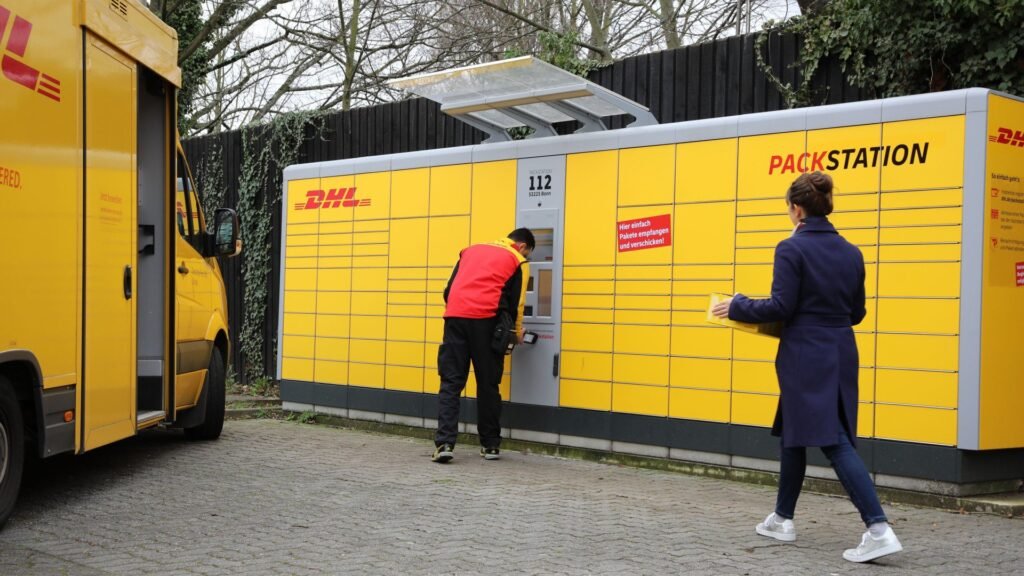
DHL starts a one -year pilot test, in which packing stations can be used in the future without prior registration. We explain what is behind the innovation, how the simplified service works and who can use it.
Packing stations without registration compulsion
Packing stations have been around for over 20 years. In the past, however, the registration and app compulsion had repeatedly caused criticism and problems. Not least because of this, DHL launched a new pilot test in Germany shortly after increasing the postage for packages and parcels at the beginning of the month on July 7, 2025, which is intended to significantly simplify access to packing stations.
For the first time, customers can order from selected online retailers and have their packages delivered directly to one of the over 15,500 packing stations in the federal territory without having to register with DHL beforehand. The one -year test initially begins with around 20 business partners, including CEWE, Mosaik Tree GmbH, Farbenfux and BC GmbH.
So far, the process for new customers has been cumbersome. Because if you wanted to receive packages at a packing station, you had to register with DHL, go through a post-identification process and activate the Post & DHL app. These hurdles are now eliminated during the test phase. Customers simply indicate the desired packing station as a delivery address during the ordering process and receive a pick-up code by email after the package has been deposited.
Simplified access to proven system
How DHL communicated, the test will be extended to further business customers in the coming months. The focus is on simplifying the use of packing stations.
We would like to make it as easy as possible for our customers to send DHL and receive packages. That is why we are now not doing the registration obligation at our packing station and thus breaking down further hurdles. Benjamin Rasch, head of marketing and product management
The packing stations are already very popular. According to the company, a “high single -digit million number” of registered users regularly uses the service. With their strategic placement at supermarkets, train stations and in residential areas, the machines offer a flexible possibility for package collection around the clock.
History and development of the packing stations
DHL introduced the Packstation concept in 2001, at that time still under the name “PaketBox”. The first machines were in Berlin and Hamburg. Originally they were intended as a supplement to the classic postman, but quickly developed into an independent service. In 2003 the system was rolled out nationwide and was given the name “Packstation”.
The technical development of the machines was rapid. Because while the first models had only a few subjects and communicated via SMS, modern packing stations have up to 120 subjects of different sizes. You can absorb packages of up to 35 kilograms and a maximum size of 60 x 35 x 35 centimeters. Communication takes place today via email and the DHL app that sends push notifications.
Advantages for everyone involved
The new registration -free approach aims to also achieve customers who have so far been frightened before the registration. Not only the end customers benefit from this, but also the participating online retailers who can now offer all buyers the packing station as a reception option. Nothing changes for already registered customers. You can continue to use your post number, collect bonus points and use the automatic status tracking in the app. Sending shipments to the machines, for example for returns, has always been possible without registration and remains.
Outlook and expansion
DHL plans to expand the machine network to 30,000 packing stations by 2030. This should shorten the route for consumers. According to DHL, around 70 percent of the German population are currently available in a radius from one kilometer to a packing station.
But the competition doesn’t sleep either. Amazon also operates over 3000 pick -up stations in Germany, while Hermes relies on parcel shops. However, DHL has an advantage through the high density of his network and integration into regular postal farms.