Folding Reformers vs. Traditional Reformers
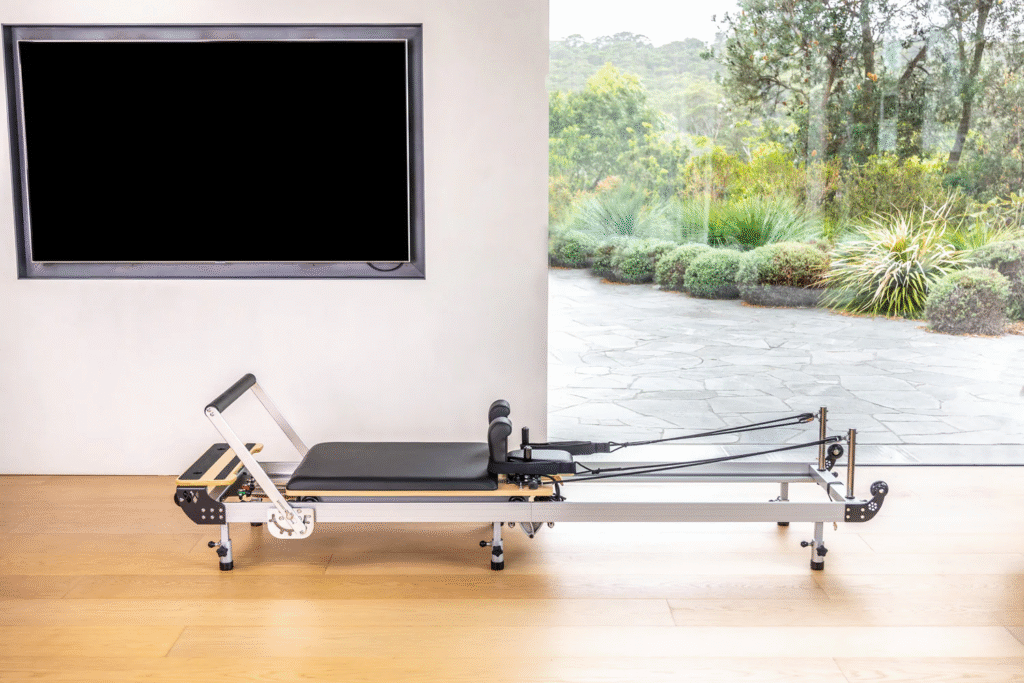
Introduction to Pilates Reformers
Pilates reformers have long been a staple for those looking to enhance their physical fitness, improve posture, and increase muscle strength and flexibility. These machines offer a dynamic workout that can be tailored to individual needs and fitness goals. However, when it comes to selecting the right reformer, the options can be overwhelming, particularly when choosing between a foldable pilates reformer and a traditional fixed model.
The Case for Foldable Pilates Reformers
Foldable Pilates reformers are emerging as a popular choice due to their convenience and portability. They are designed for easy storage, making them ideal for those with limited space in their homes or studios. Despite their ability to fold, these reformers do not compromise on the quality of workout they provide.
The compact nature of these machines is particularly beneficial for urban dwellers living in apartments, as well as for Pilates enthusiasts who frequently travel or wish to transport their equipment to various locations. Additionally, for instructors or studios offering Pilates classes in multiple venues, foldable reformers offer the flexibility to easily set up or pack away between sessions.
While selecting a foldable reformer, consideration is given to factors such as stability, the smoothness of the glide, adjustable resistance levels, and the quality of construction materials. It’s also important to explore options that feature efficient folding mechanisms that don’t require excess time or effort to operate.
Exploring Traditional Reformer Pilates Machines
Traditional reformer pilates machines are known for their robust build and permanent presence in a dedicated workout space. They are often favoured by professionals and avid practitioners who dedicate a specific area in their home or studio for Pilates workouts.
These machines are built to endure frequent and intense use, typically featuring high-quality woods or metals that ensure longevity. Unlike their foldable counterparts, traditional reformers boast larger dimensions, offering a wider range of motion and possibilities for various body types and exercises.
On the flip side, the permanence of traditional reformers means they require a significant investment in space. For those living in smaller residences or without a dedicated workout room, this can be a critical drawback.
Factors to Consider When Choosing Your Pilates Equipment
When deciding between foldable and traditional reformers, several aspects are worth considering. These include the intended frequency of use, spatial constraints, personal fitness goals, and budget. It’s critical to weigh the benefits of each against one’s individual circumstances to ensure the chosen reformer fits seamlessly into one’s lifestyle.
Additionally, the accessories and attachments available for the reformer should be scrutinised, as these can greatly expand the range of exercises and cater to specific workout regimens. It’s equally important to consider the level of after-sales support provided by the manufacturer or retailer, which can affect the long-term usability and maintenance of the equipment.
Durability is another crucial aspect, as a well-built machine will not only stand up to repeated use but will also maintain its functionality, preventing interruptions to your training routine. Safety features, such as secure locking mechanisms on foldable reformers, should not be overlooked in order to ensure a safe exercise environment.
Why Lifestyle Plays a Key Role in Your Decision
The decision between foldable and traditional Pilates reformers is not purely about the machines themselves. Your lifestyle—how often you move, the space you live in, and how you like to organise your home or studio—plays a pivotal role in identifying the better fit.
For instance, foldable reformers are tailored for dynamic lifestyles that involve frequent changes, tight living environments, or the necessity to repurpose a space for more than just exercise. In contrast, a traditional reformer caters to a more static living situation, where a designated space can be devoted to Pilates practice without the need for reconfiguration.
Ultimately, the choice may also reflect one’s commitment to Pilates; a fixed, traditional reformer may indicate a long-term investment in the practice, while a foldable model suggests a balanced approach to fitness among other life activities.
Conclusion: Making an Informed Choice
Choosing between a foldable pilates reformer and a traditional reformer comes down to understanding your personal needs, fitness goals, and living space. Both options offer the signature Pilates experience, but they cater to differing lifestyles and convenience factors.
It’s always advisable to perform thorough research, which includes reading customer reviews and testing out models if possible. Consulting with Pilates professionals who have experience with different types of pilates equipment can also provide valuable insight, helping you make an informed decision that aligns with your lifestyle.
Remember, investing in a Pilates reformer is an investment in your health and well-being. Whether you opt for a foldable reformer for its adaptability and space-saving virtues, or a traditional model for its established stability and range, make sure it’s an apparatus you will use and appreciate as part of your daily routine.
In the end, the right Pilates reformer is one that not only fits into your living space but also integrates smoothly into the flow of your life, allowing you to achieve the balance and fitness you desire.

Alexia is the author at Research Snipers covering all technology news including Google, Apple, Android, Xiaomi, Huawei, Samsung News, and More.