Google’s Vision for AI: Sundar Pichai Talks Project Astra and the Future of AI at the AI Action Summit
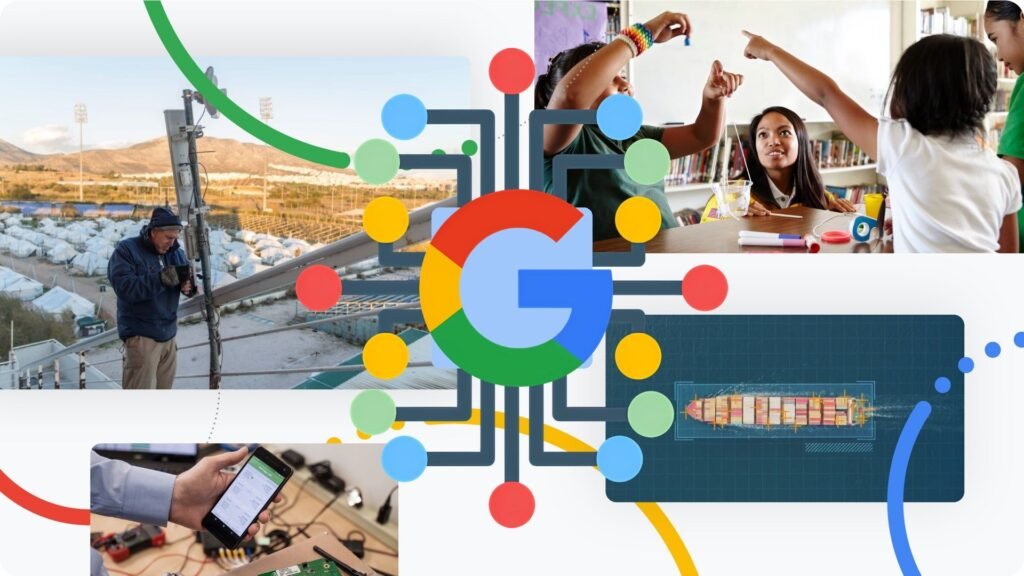
At the recent AI Action Summit in Paris, Google CEO Sundar Pichai delivered a thought-provoking talk on the future of artificial intelligence and its potential to reshape how we interact with technology. From discussing the exciting possibilities of Project Astra to addressing AI’s global impact, Pichai painted a picture of a world where AI is seamlessly integrated into our daily lives.
A Glimpse into Project Astra
Google has long been a leader in advancing AI capabilities, and at the summit, Pichai hinted at the next big step: Project Astra. This multimodal digital assistant aims to combine Google’s vast machine learning expertise into one cohesive, groundbreaking tool. Imagine pointing your phone camera at something and receiving instant, detailed information. Or asking a virtual assistant, “Where should I vacation in Europe for two weeks in August?” and getting a comprehensive answer that factors in affordability, weather, and visa requirements—all with sources cited.
Pichai emphasized that Project Astra isn’t just about convenience; it’s about fundamentally changing how we interact with devices. He teased that Astra’s capabilities could soon be available on Pixel phones, offering the first all-encompassing AI assistant built directly into smartphones.
Beyond Consumer Devices: AI for Global Good
While Project Astra grabbed the spotlight, Pichai also highlighted how AI is transforming industries and addressing global challenges. He praised Google’s DeepMind for its groundbreaking work, including AlphaFold, which maps protein structures to accelerate medical research. This technology, in collaboration with organizations like Isomorphic Labs, could drive medical breakthroughs at unprecedented speed.
AI isn’t just about research—it’s also about real-world impact. Pichai shared examples of how AI-driven tools are already saving lives by predicting natural disasters like floods and wildfires. He also spoke about autonomous vehicles enhancing road safety, accelerated language translation fostering global collaboration, and AI innovations addressing localized health issues to improve overall quality of life.
A Roadmap for AI Development
Pichai outlined a clear strategy for advancing AI responsibly and effectively. His vision rests on four key pillars:
- Building an ecosystem of innovators and adopters: Making AI-driven devices accessible to consumers is crucial for driving productivity and adoption.
- Investing in cutting-edge infrastructure: Advanced hardware is essential to unlocking AI’s full potential.
- Preparing people for the future: Pichai highlighted the need for a workforce ready to adapt to AI-driven changes, with generative AI already transforming workplaces.
- Acting boldly and responsibly: Ensuring AI is accurate, reliable, and resistant to misuse is a top priority.
He also called for globally aligned regulations to address risks without hindering innovation. Balancing caution and ambition, Pichai believes, is key to unlocking AI’s transformative potential.
The Opportunity of a Generation
Pichai closed his address with an optimistic, yet cautionary, note. He reminded the audience that technology has consistently made life better for future generations, but such outcomes are not guaranteed. “The biggest risk could be missing out,” he said. “We have a once-in-a-generation opportunity to improve lives at the scale of AI.”
As Google continues to push the boundaries of AI, it’s clear that the company is committed to making the technology accessible, impactful, and ethical. With initiatives like Project Astra and groundbreaking research from DeepMind, the future of AI looks brighter—and closer—than ever.

Alexia is the author at Research Snipers covering all technology news including Google, Apple, Android, Xiaomi, Huawei, Samsung News, and More.