Hackers Stole SK Telecom SIM Cards Data In South Korea
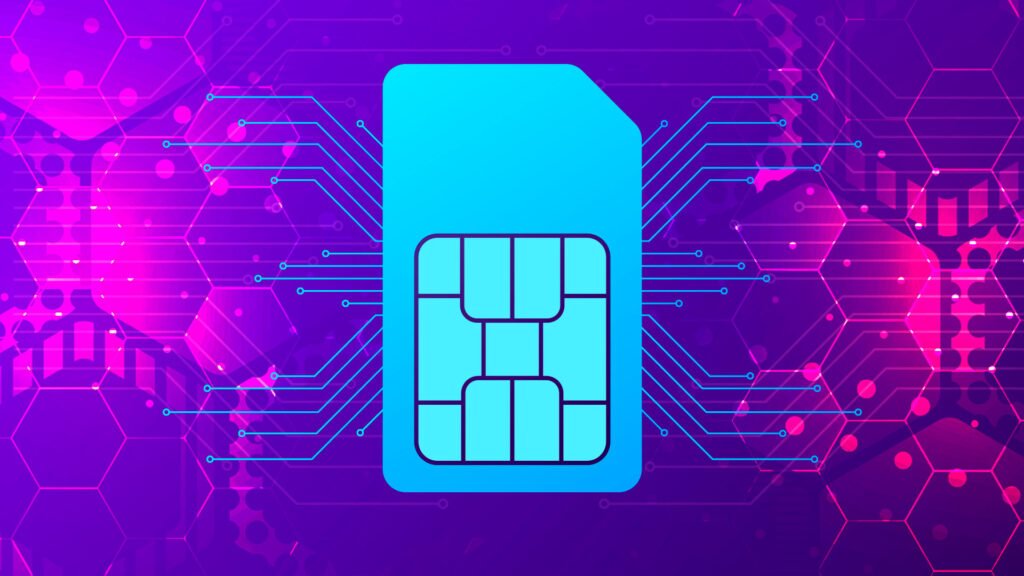
Attachers have succeeded in stealing data from USIM cards with malware. The malice code was discovered on the network of South Korean SK Telecom. So far, who is behind the campaign is still unclear.
Identity of the attackers unclear
According to the company, the malware was discovered on Saturday evening, April 19, 2025, at 11 p.m. local time – a time when many IT departments are only occupied to a limited extent due to the weekend. In an official notice The company said that after the discovery of the potential security gap, the company reacted immediately: the malware concerned was deleted as far as possible and all suspicious systems were isolated. So far, there has been no evidence that the data obtained has already been misused.
The potentially affected information is data that are stored on USIM cards – which are usually still referred to as SIM cards. These include the international participant detection (IMSI), telephone numbers (MSISDN), authentication key and network usage data. In some cases, short messages or contacts can also be affected, provided that these have been stored on the map, which is hardly the case with the smartphones common today.
This type of data here is particularly sensitive because it can be misused for targeted monitoring, location tracking and so-called SIM-SWAP attacks. The latter enable cybercriminals to take control of a victim’s telephone number – a gateway for further fraud attempts.
Investigations last
The South Korean Agency for Internet and Security (KISA) was informed the day after the attack, as was the National Data Protection Commission. The investigation into the exact cause and the extent of the attack is still ongoing, it said. In response to the incident, SK Telecom has strengthened its protective mechanisms.
In particular, USIM exchange processes and unusual authentication attempts should be controlled more strictly. User accounts that are connected to suspicious activities are automatically deactivated. The company’s customers are advised to take advantage of the free USIM protection service. This prevents mobile phone numbers from being transferred to other SIM cards without consent.