Helping Your Child Cope with Seasonal Allergies
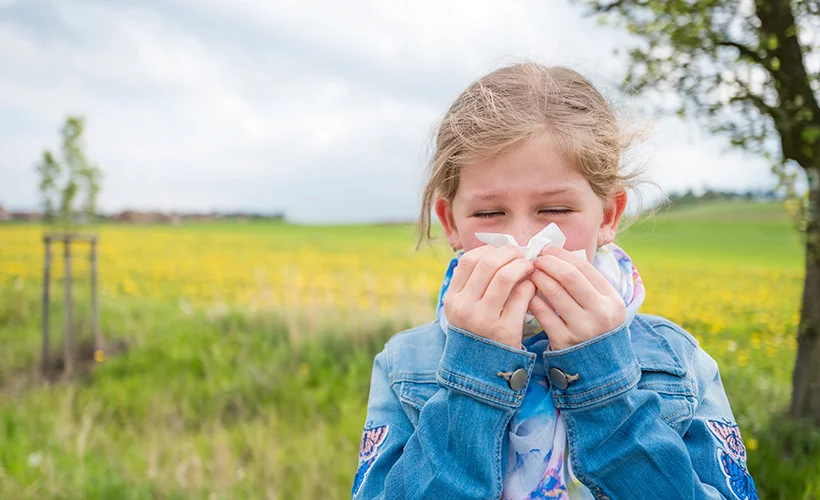
Seasonal allergies are a common problem for many children, especially during spring and fall when allergens like pollen, dust mites, and mold are at their peak. These allergens can cause a range of uncomfortable symptoms, including sneezing, itchy eyes, congestion, and a runny nose. For parents, it can be challenging to watch their child suffer from these symptoms, as they can impact daily routines, school performance, and even their quality of sleep.
Understanding how to manage your child’s allergies is essential for their comfort. While there are various over-the-counter solutions and home remedies, there are times when professional help is needed. In this blog, we will explore practical tips for parents dealing with their child’s seasonal allergies, including how to recognize the signs of allergies, effective home remedies, and when to seek professional care to help your child feel better during allergy season.
Seasonal Allergies in Children
Seasonal allergies occur when a child’s immune system overreacts to specific allergens like pollen, mold, or dust. This overreaction leads to symptoms such as sneezing, coughing, a runny nose, and watery eyes. It’s essential to recognize the signs of allergies early on so that you can address them appropriately. Symptoms may appear as early as a few years old, and they often become more pronounced during peak allergy seasons, which typically occur in the spring and fall.
One of the first steps in managing your child’s allergies is identifying the triggers. Pollen from trees, grass, and weeds can be a significant cause of allergy flare-ups, especially during specific times of the year. If you notice your child’s symptoms worsening at certain times, such as during springtime, it’s crucial to consider the possibility of seasonal allergies. Consulting a baby doctor or a healthcare professional can help clarify the cause of the symptoms and guide you on how to address them effectively.
Managing Allergies More Effectively
If your child’s seasonal allergies are not improving with basic home care or over-the-counter medications, it may be time to consult a pediatric allergist. Seasonal allergies can affect sleep, school performance, and overall mood, making daily life more challenging for your child. A pediatric allergist specializes in identifying the specific triggers and creating a plan tailored to your child’s needs, offering advanced treatments that go beyond standard remedies and helping your child feel more comfortable throughout the allergy season.
These specialists can conduct specific tests, such as skin or blood tests, to identify which allergens are triggering your child’s reactions. Based on the results, they may recommend antihistamines, nasal sprays, or allergy shots (immunotherapy) to reduce sensitivity over time. These treatments help minimize symptoms and improve your child’s quality of life, making it easier for them to enjoy outdoor activities without constant discomfort.
Effective Home Remedies to Ease Allergy Symptoms
In addition to professional care, there are several home remedies that can help alleviate your child’s allergy symptoms. One of the most effective ways to manage seasonal allergies is to minimize exposure to allergens. Keeping windows closed during high pollen times, typically in the early morning or late afternoon, can help reduce the amount of pollen your child comes into contact with.
You can also create a more allergy-friendly environment at home. Make sure to wash your child’s face and hands after outdoor play and change their clothes to remove any allergens they may have picked up. Regularly cleaning your home, especially dusting and vacuuming with a HEPA filter, can significantly reduce the number of indoor allergens like dust mites. Using a dehumidifier in your child’s room can also help control the growth of mold, another common allergy trigger.
Knowing When to Get Help for Allergies
While home remedies and over-the-counter treatments can help manage mild allergy symptoms, some children may require more specialized care.If your child’s allergies are significantly impacting their daily life or if symptoms worsen despite home care, it may be time to search for an allergist near me. A specialist can provide targeted treatments that are often more effective than over‑the‑counter medications and help you create a long‑term plan to manage your child’s symptoms.
For children with severe allergies or those experiencing complications like asthma or chronic sinus infections, seeing an allergist is crucial. An allergist can offer a range of treatments, such as prescription medications or allergy shots, to help prevent further complications and improve your child’s symptoms. Allergy testing is another valuable tool in pinpointing the specific allergens causing issues and ensuring that the treatment plan is as effective as possible.
Lifestyle Changes to Support Allergy Management
In addition to medical treatments, making certain lifestyle changes can further help your child cope with seasonal allergies. For example, encouraging your child to wear sunglasses when they are outdoors can protect their eyes from pollen, reducing the likelihood of itchy or watery eyes. A nasal saline rinse can also be effective in clearing allergens from the nose, especially after spending time outdoors.
It’s also important to instill habits that minimize allergen exposure. For example, teach your child not to touch their face, especially their eyes and nose, after being outside. Washing their hands regularly and taking a shower at the end of the day can help reduce the transfer of allergens from outside into your home. By combining these lifestyle changes with professional care and home remedies, you can provide your child with the best possible support during allergy season.
To Sum Up
Seasonal allergies can be challenging for both children and their parents, but with the right strategies, they can be managed effectively. By recognizing the symptoms early, minimizing exposure to allergens, and seeking professional advice when necessary, you can help your child feel more comfortable during allergy season.
While home remedies and lifestyle adjustments can be helpful, remember that professional care is often required to ensure your child receives the best treatment. If you find that your child’s symptoms are not improving, or if they are affecting their quality of life, seeking care from a healthcare provider who specializes in allergies will provide the necessary guidance and treatment. With the right support, your child can manage their allergies and enjoy the changing seasons with fewer disruptions to their daily activities.

Alexia is the author at Research Snipers covering all technology news including Google, Apple, Android, Xiaomi, Huawei, Samsung News, and More.