High-Capacity Portable Generators for Industrial Power Solutions
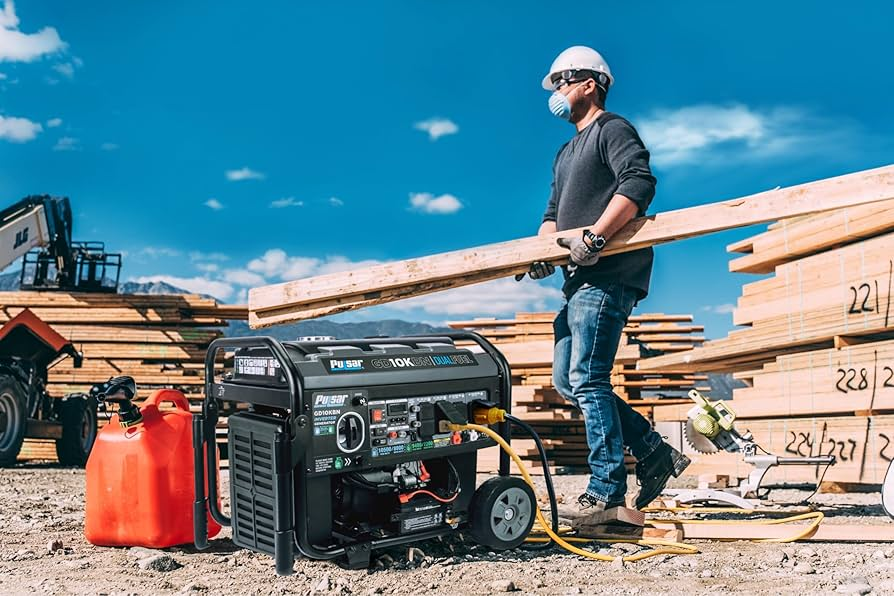
Reliable electrical power is the backbone of modern industrial, construction, and emergency response operations. Power outages, remote job sites, or temporary work zones can bring productivity to a halt, leading to significant financial losses and safety risks. A portable generator provides a critical source of backup or primary power in these scenarios. A 10500 Watt Digital Inverter Hybrid Portable Generator represents a high-capacity, versatile power solution designed to meet the substantial energy demands of tools, equipment, and even essential facility systems, ensuring operational continuity where grid power is unavailable or unreliable.
Technical Operation and Core Applications
This category of generator uses an internal combustion engine, typically gasoline-powered (with tri-fuel options for propane or natural gas), to drive an alternator that produces alternating current (AC) electricity. The “inverter” technology refines this raw power, converting it to direct current (DC) and then back to a clean, stable AC output with low total harmonic distortion (THD). This is essential for powering sensitive electronics like computers, diagnostics equipment, and variable-speed motor drives. The 10,500-watt rating indicates its peak/surge capacity, with a slightly lower continuous running wattage. Key industrial and commercial applications include providing primary power for remote construction sites (running tools, lighting, trailers); serving as backup power for critical loads in warehouses or workshops during outages; supporting event management and outdoor worksites; and powering disaster recovery and emergency response operations.
The Critical Role in Operational Resilience and Continuity
Implementing a capable portable generator is a strategic investment in operational resilience. From a continuity standpoint, it prevents costly downtime by allowing critical processes to continue during a grid failure. This can protect perishable inventory, maintain security systems, and enable essential administrative functions. For productivity on remote sites, it is the enabling infrastructure that allows all other electric tools and equipment to function, directly determining project timelines. From a safety perspective, maintaining power for lighting, communication devices, and safety equipment (like ventilation fans in confined spaces) is non-negotiable. A generator of this capacity ensures that operations are not just maintained, but can proceed at or near normal capacity, even in off-grid conditions.
Technical Fundamentals and Selection Criteria
Selecting an appropriate generator requires careful analysis of power needs and technical specifications. The primary metric is wattage. The 10,500-watt surge (peak) rating is crucial for starting electric motors, which can draw 3-5 times their running wattage momentarily. The continuous wattage must exceed the combined running wattage of all equipment to be powered simultaneously. Inverter technology is a key differentiator, providing “clean” power (<3% THD) safe for electronics. Other vital considerations include fuel type and runtime, number and type of outlets (120V, 240V, twist-lock), noise level (measured in decibels), portability (wheel kit, handle design), and features like electric start, fuel gauge, and automatic low-oil shutdown. Compliance with emissions standards (like EPA) is also important for regulated use.
Key Factors Influencing Performance and Safe Operation
Reliable and safe generator performance depends on several critical factors:
- Accurate Load Calculation: Undersizing a generator leads to overload and failure; oversizing leads to inefficient “wet stacking” in diesel/gas units. Create a detailed list of all tools/equipment with their starting and running watts.
- Proper Fuel Management: Use fresh, stabilized fuel and adhere to the manufacturer’s fuel recommendations. For extended outages, a fuel management plan is essential.
- Ventilation and Placement: Generators must be operated outdoors, away from buildings, windows, and air intakes to prevent deadly carbon monoxide poisoning. They should be placed on a level, stable surface.
- Regular Maintenance: Follow a strict schedule for oil changes, air filter cleaning/replacement, spark plug inspection, and general system checks as outlined in the manual.
- Correct Power Connection: Use heavy-duty, rated extension cords. For connecting to a building’s electrical panel, a licensed electrician must install a proper transfer switch to prevent back-feeding the grid, which is illegal and lethal to utility workers.
- Environmental Conditions: Operation in extreme heat, cold, or dusty conditions requires extra attention to cooling and air filtration.
Safety Protocols and Operational Best Practices
Generator safety is paramount due to risks of electrocution, fire, and carbon monoxide poisoning.
- Always operate the generator outdoors and far from any enclosed space. Carbon monoxide is odorless and deadly.
- Never attempt to power a building’s wiring by “backfeeding” through a wall outlet. Use a legally installed transfer switch.
- Ensure the generator is properly grounded according to the manufacturer’s instructions and local electrical codes.
- Use only outdoor-rated, heavy-gauge extension cords of appropriate length. Inspect cords for damage before use.
- Allow the generator to cool completely before refueling. Spilled fuel on a hot engine can cause a fire.
- Perform regular maintenance and keep the area around the generator clear of debris and flammable materials.
- Invest in a battery-operated carbon monoxide detector for any indoor space near where a generator might be run outside.
Equipment Types and System Features
Portable generators range from small recreational units to large industrial models. The “hybrid” or “tri-fuel” designation indicates the ability to run on multiple fuel sources (gasoline, propane, natural gas), offering flexibility and longer runtimes with propane. Key features of industrial-grade models include robust frames, large fuel tanks, multiple outlet panels with 240V capability, electric start, wheel kits, and advanced inverter technology for clean power.
Advantages and Practical Limitations
The primary advantages are mobility, high power output for a wide range of equipment, and the ability to provide clean power for sensitive electronics. The tri-fuel capability offers significant flexibility and runtime advantages. Limitations include noise levels that require consideration for certain environments, ongoing fuel costs and logistics, the need for rigorous maintenance, and the critical importance of safe operation practices to avoid severe hazards. It is a powerful tool, not a “set and forget” appliance.
Real-World Implementation Example
A contracting company working on a new commercial building before permanent power is installed uses a 10,500-watt inverter generator. It simultaneously powers several skilled trades: electricians’ battery chargers and tools, the HVAC team’s vacuum pump and test equipment, and the drywall crew’s power mixers and radios. The clean inverter power protects the sensitive circuit board in the HVAC diagnostic tool, while the high capacity allows multiple crews to work efficiently without tripping the generator, keeping the project on schedule despite the lack of grid connection.
Conclusion and Operational Outlook
A high-capacity portable inverter generator is an essential piece of equipment for ensuring power autonomy in industrial and commercial settings. Its value lies in providing reliable, clean, and substantial electrical power where and when it is needed most. For facility managers, site supervisors, and procurement professionals, selecting the right generator involves a careful assessment of power requirements and a firm commitment to safety protocols and maintenance. As operations increasingly rely on sophisticated electronics and face growing risks from grid instability, the role of advanced, reliable portable power generation in maintaining productivity, safety, and continuity will remain critically important.

Alexia is the author at Research Snipers covering all technology news including Google, Apple, Android, Xiaomi, Huawei, Samsung News, and More.