How At-Home Sleep Apnea Tests Monitor Your Breathing and Oxygen Levels?
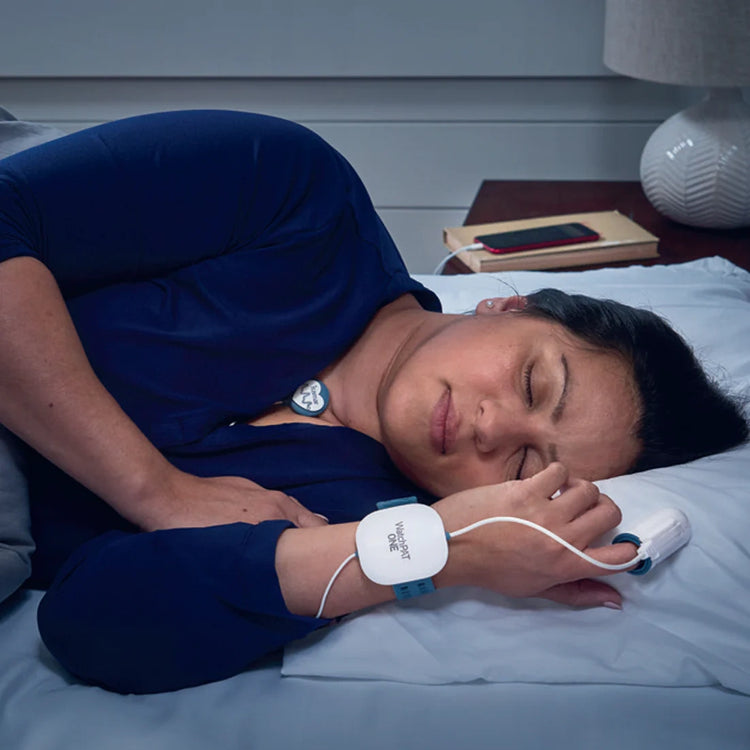
Sleep apnea affects approximately 5.4 million Canadian adults, with studies suggesting that up to 80% of moderate to severe cases remain undiagnosed. This significant gap in diagnosis has led to increasing interest in accessible testing options. At-home sleep apnea tests have revolutionized how we approach sleep disorder diagnosis, making it possible to detect this serious condition without spending a night at a sleep lab.
In this article, we’ll explore the technology behind home sleep apnea tests, how they monitor your vital signs during sleep, and why they’ve become an essential tool in modern sleep medicine.
Understanding the Technology Behind Home Sleep Apnea Tests
Home sleep apnea tests (HSATs) use sophisticated sensors and algorithms to monitor your breathing patterns, oxygen levels, and other vital signs while you sleep. Unlike consumer sleep trackers that provide general wellness data, HSATs use medical-grade technology specifically designed to detect sleep apnea events.
According to a 2023 study in the Journal of Clinical Sleep Medicine, properly administered home tests can identify moderate to severe obstructive sleep apnea with up to 90% accuracy compared to traditional in-lab polysomnography.
The most advanced HSATs, like the WatchPAT ONE system we offer, use Peripheral Arterial Tone (PAT) technology to detect subtle changes in blood vessel tone that occur during sleep apnea episodes. This allows for a more comprehensive analysis than basic oxygen monitoring alone.
Key Parameters Measured During a Home Sleep Test
When you use a sleep apnea test at home, the device tracks several critical parameters that help identify breathing disruptions:
1. Oxygen Saturation (SpO2)
One of the most crucial measurements is your blood oxygen level. During normal breathing, your SpO2 should remain above 90%. When sleep apnea occurs:
- Oxygen levels typically drop by 3-4% or more
- These desaturations happen repeatedly throughout the night
- The severity and frequency of drops help determine your apnea severity
Recent research published in Sleep Medicine Reviews shows that oxygen desaturation patterns during sleep are one of the strongest indicators of sleep apnea severity and its potential impact on cardiovascular health.
2. Breathing Patterns and Airflow
HSATs track your breathing rhythm and detect disruptions in several ways:
- Nasal pressure sensors measure airflow through your nose
- Chest and abdominal bands monitor respiratory effort
- Advanced devices can distinguish between obstructive events (where you try to breathe but can’t) and central events (where your brain temporarily stops sending signals to breathe)
The 2022 American Academy of Sleep Medicine guidelines note that monitoring both airflow and respiratory effort is essential for differentiating between obstructive and central sleep apnea, which require different treatment approaches.
3. Heart Rate and Heart Rate Variability
Your heart rate provides valuable information about sleep apnea episodes:
- During an apnea event, heart rate often slows down
- When breathing resumes, there’s typically a brief spike in heart rate
- These fluctuations create a distinctive pattern that helps identify sleep apnea
A 2023 study in the European Respiratory Journal found that these heart rate variations during sleep are not only useful for diagnosing sleep apnea but may also predict which patients are at higher risk for cardiovascular complications.
4. Body Position and Movement
Many HSATs include position sensors because:
- Sleep apnea is often worse when sleeping on your back
- Position data helps determine if you might benefit from positional therapy
- Excessive movement may indicate fragmented sleep due to breathing disruptions
Research from the Journal of Clinical Sleep Medicine shows that up to 60% of sleep apnea patients have position-dependent symptoms, making this an important factor in diagnosis and treatment planning.
The Sleep Apnea Test Process: What to Expect
When you decide to take a sleep apnea test at home, the process is straightforward:
- Order Your Test: Request an HSAT through our website or by contacting our team.
- Receive Your Device: The test kit arrives at your door with clear instructions.
- Prepare for the Test: Follow pre-test guidelines, including avoiding alcohol and sedatives that might affect your breathing patterns.
- Set Up the Device: Most HSATs can be set up in under 10 minutes with simple, user-friendly components.
- Sleep as Normal: The best data comes from a typical night’s sleep in your own bed.
- Return or Upload Results: Depending on the device, you’ll either return it by mail or upload the data electronically.
- Receive Professional Analysis: A sleep medicine physician reviews your results and provides a detailed report.
According to a 2024 patient satisfaction survey published in Sleep Medicine, 87% of users preferred home testing to in-lab studies, citing convenience and comfort as the primary advantages.
Interpreting Your Sleep Apnea Test Results
After your test, a sleep medicine specialist will analyze the data to determine:
Apnea-Hypopnea Index (AHI)
This is the primary metric used to diagnose sleep apnea:
- AHI < 5: Normal range
- AHI 5-15: Mild sleep apnea
- AHI 15-30: Moderate sleep apnea
- AHI > 30: Severe sleep apnea
Oxygen Desaturation Index (ODI)
This measures how frequently your oxygen levels drop during sleep:
- Higher ODI values correlate with more severe sleep apnea
- Recent research shows that ODI may be a better predictor of cardiovascular risk than AHI
Sleep Architecture
While not as detailed as in-lab studies, some advanced HSATs can provide information about your sleep stages and overall sleep quality.
A 2023 meta-analysis published in Sleep Medicine Reviews found that home sleep tests are particularly effective at identifying moderate to severe cases of sleep apnea, with sensitivity exceeding 90% for AHI scores above 15.
Home Sleep Tests vs. Consumer Sleep Trackers
It’s crucial to understand the difference between medical-grade HSATs and consumer sleep tracking devices:
| Home Sleep Apnea Tests | Consumer Sleep Trackers |
| Medical-grade sensors | Consumer-grade sensors |
| FDA/Health Canada approved for diagnosis | Not approved for medical diagnosis |
| Measures specific parameters needed for sleep apnea diagnosis | Tracks general sleep metrics |
| Results interpreted by sleep medicine physicians | Data interpreted by algorithms with limited clinical validation |
| Can lead directly to treatment recommendations | Can only suggest potential issues |
According to a 2024 comparative study in the Journal of Clinical Sleep Medicine, consumer devices detected only about 40-60% of sleep apnea events captured by medical-grade HSATs.
Who Should Consider a Home Sleep Apnea Test?
You might benefit from a sleep apnea test at home if you experience:
- Loud, chronic snoring
- Witnessed breathing pauses during sleep
- Morning headaches or dry mouth
- Excessive daytime sleepiness despite adequate sleep time
- Difficulty concentrating or memory problems
- Waking up gasping or choking
Research published in the Canadian Medical Association Journal indicates that early detection and treatment of sleep apnea can reduce the risk of complications like hypertension, heart disease, and stroke by up to 40%.
Why Early Detection Matters
The implications of untreated sleep apnea extend far beyond poor sleep. Recent studies have linked sleep apnea to:
- 30% increased risk of heart attack or stroke
- 40% higher likelihood of developing type 2 diabetes
- 50% greater risk of high blood pressure
- Significant increases in depression, anxiety, and cognitive decline
A landmark 2023 study published in Neurology found that treating moderate to severe sleep apnea may reduce the risk of dementia by up to 30% in adults over 65 – highlighting the critical importance of early diagnosis and treatment.
The Future of Home Sleep Testing
The field of home sleep diagnostics continues to evolve rapidly. Emerging technologies include:
- AI-enhanced analysis for more accurate diagnosis
- Smaller, more comfortable wearable devices
- Integration with telehealth platforms for seamless care
- Continuous monitoring options for assessing treatment efficacy
According to a 2024 market forecast, the global home sleep testing market is projected to grow by 15% annually over the next five years, driven by increasing awareness of sleep disorders and advances in remote monitoring technology.
Frequently Asked Questions
How does a sleep apnea test at home monitor my breathing patterns?
Home sleep apnea tests use various sensors to monitor your breathing. Depending on the device, these may include nasal pressure sensors, chest bands, or peripheral arterial tone technology. These sensors detect when your breathing slows, stops, or becomes obstructed during sleep. The test measures how frequently these events occur and how they affect your oxygen levels.

Alexia is the author at Research Snipers covering all technology news including Google, Apple, Android, Xiaomi, Huawei, Samsung News, and More.