How Cloud-Native Manufacturing is Driving Agility in Manufacturing
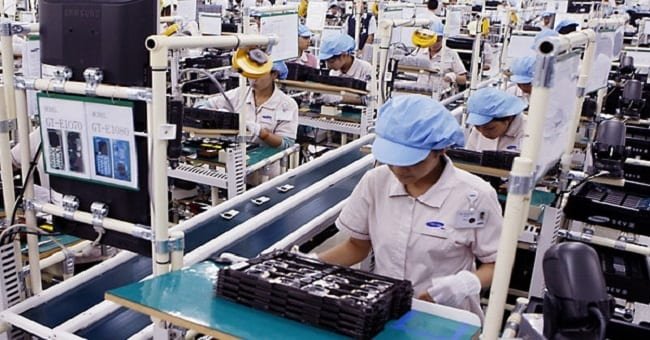
Talk to any plant manager today and they will tell you that hitting production targets is no longer the hard part. The real challenge is staying ahead of change. A raw material price spike, a sudden recall notice, or a new compliance rule can arrive before lunch, and somehow the team needs to have it resolved by the afternoon shift.
This is where micro-pivots matter. They are not sweeping overhauls or massive upgrades. They are small, targeted changes that keep the line moving while addressing the problem in front of you. Cloud-native manufacturing makes these moves possible without tearing up the production schedule.
Last month, a mid-sized food producer faced an unplanned allergen labelling change. Instead of printing and wasting thousands of outdated labels, they pushed an update to their cloud-based label service and had the correct version live within two hours. No line stoppage. No weekend overtime. Just a quiet fix that could have turned into a costly headache.
What We Are Really Changing When We Go Cloud-Native?
Most legacy manufacturing systems are like old factory machines. They are powerful but slow to adjust. One small change can ripple through the system, requiring testing, downtime, and coordination across multiple teams.
Cloud-native manufacturing works differently. It is built on principles that allow quick, safe change:
- Containerization lets you package applications, so they run consistently across environments, whether in a plant server room or the public cloud.
- Microservices split large, slow-moving systems into smaller pieces that can be updated without touching the rest.
- CI/CD pipelines move changes from development to production in hours, with automated checks to catch problems early.
The result is that a quality control algorithm can be adjusted on Tuesday morning and deployed for the afternoon shift. For those tired of seeing urgent fixes parked in a backlog, this is a genuine change in how manufacturing operates.
The Business Side of Agility
Agility is not just a technical term. It has real business consequences.
- Less downtime. Rolling updates keep production running while changes are deployed.
- Faster compliance. Regulatory changes can be applied without months of planning.
- More scalability. If orders spike, the system scales with demand instead of collapsing under pressure.
One electronics manufacturer shortened its prototype-to-production timeline by more than a third by moving critical processes into a CI/CD pipeline. A packaging supplier managed a holiday season surge of nearly 400 percent without adding a single server. These results show that digital transformation in manufacturing has a direct impact on output and revenue when built on the right platform.
Case Study: Fixing the MES Bottleneck
A global consumer goods company was stuck with a decade-old MES. Even small changes had to wait for quarterly release cycles, and adding a new production line was slow and expensive.
They started by targeting the areas that changed most often, such as labeling and quality checks, and rebuilt them as independent microservices. Containers, Kubernetes, automated testing, and feature flags gave them control over when and where updates went live.
Within six months they had:
- Reduced release cycles from three weeks to two days
- Cut unplanned downtime by 95 percent
- Rolled out an allergen label update mid-shift without stopping production
That single update was their first true micro-pivot, and it showed the team that change could be both fast and safe.
Security and Scale That Work With Production
Manufacturing IT often feels locked down to the point where change is difficult. Security is essential, but with cloud-native manufacturing, it is part of the workflow rather than an obstacle.
- Each microservice is scanned before deployment.
- All traffic between services is encrypted and verified.
- Real-time monitoring flags potential issues before they become serious.
Scaling works just as seamlessly. When new IoT sensors are added, or when a plant is brought online in another region, resources can be increased without major procurement cycles or infrastructure overhauls. Cloud optimization services ensure that manufacturing systems remain performant, cost-efficient, and secure while adapting to increased demand or expanded operations.
The Data Problem Nobody Talks About Enough
One of the biggest hurdles in digital transformation in manufacturing is fragmented data. Quality data sits in one place, production data in another, and supply chain data somewhere else entirely.
Cloud-native design addresses this by separating data from the application so it can be centralised and accessed in real time. This allows:
- Cross-plant comparisons using the same metrics
- Real-time dashboards showing production, quality, and logistics
- AI forecasting models based on complete datasets
An aerospace supplier reduced scrap rates by 22 percent in a single year after integrating these data streams. By working from a single view, they could spot issues faster and make adjustments before costs escalated.
Starting Small With Micro-Pivots
Adopting cloud-native manufacturing does not require replacing everything on day one. It can start with targeted changes that have clear value:
- Label updates: Move label generation into its own service so regulatory updates are instant.
- Predictive maintenance: Deploy AI maintenance models as containers so they can be updated without downtime.
- Supplier changes: Use APIs to adjust bill-of-materials rules when new suppliers are added, testing changes in one line before going plant-wide.
These steps deliver quick wins and show teams that change does not have to mean disruption.
Where Is This Heading?
By 2026, most large manufacturers are expected to run core operational applications on cloud-native platforms. Once that happens, the technology will no longer be the differentiator. The real advantage will come from how effectively it is used to make daily adjustments.
The companies that thrive will be those that make micro-pivots part of their normal operations, not just an emergency tool.
Making Micro-Pivots a Habit
Change in manufacturing is not slowing down. Markets shift, rules change, and supply chains continue to surprise. The ability to make small, precise adjustments without stopping production will define the leaders in the next decade.
By building cloud-native manufacturing systems designed for micro-pivots, manufacturers can keep costs steady, maintain quality, and deliver on time even under pressure. The tools are proven, the benefits are visible, and the companies acting now are already setting the pace for the rest of the industry.

Alexia is the author at Research Snipers covering all technology news including Google, Apple, Android, Xiaomi, Huawei, Samsung News, and More.