How Does an ECG Machine Help Healthcare Providers Detect Heart Problems Faster?
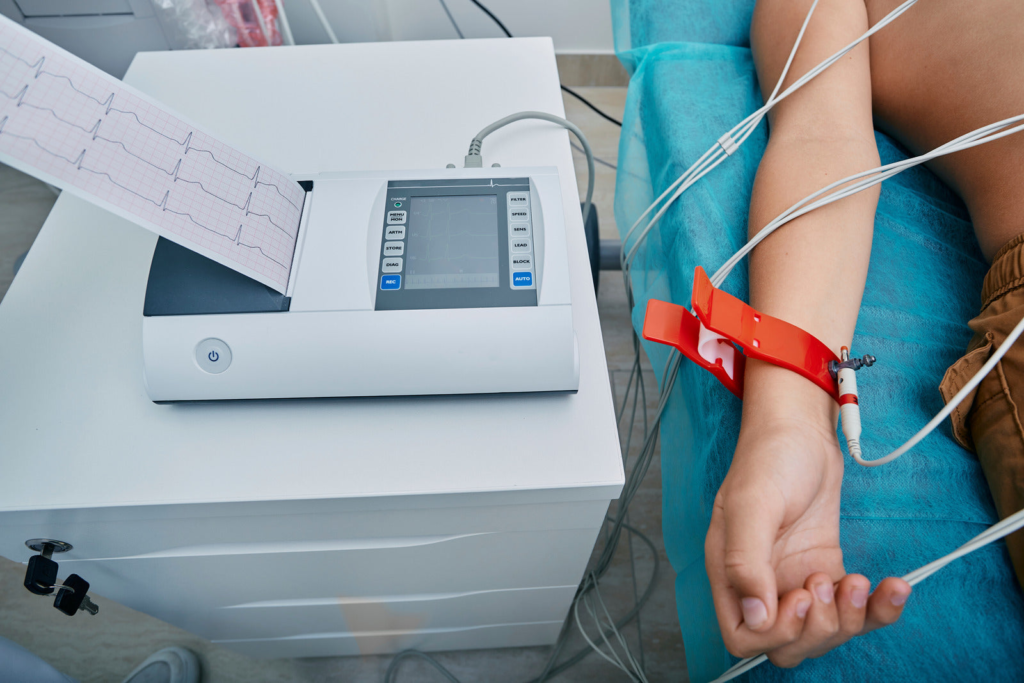
Cardiovascular diseases remain one of the leading causes of death worldwide, which makes early detection and accurate monitoring essential in modern healthcare. One of the most widely used diagnostic tools in cardiology is the ECG machine, a device that records the electrical activity of the heart and provides physicians with critical information about cardiac rhythm and function.
In hospitals, clinics, emergency departments, and research facilities, ECG technology plays a central role in identifying cardiac abnormalities quickly and non-invasively. For healthcare organizations and procurement teams, choosing reliable ECG systems is not only a clinical decision but also a strategic one that directly affects diagnostic efficiency, workflow integration, and long-term patient monitoring.
What an ECG Machine Measures?
The heart generates electrical impulses that coordinate each heartbeat. An ECG machine captures these signals using electrodes placed on the patient’s chest, arms, and legs. The device converts the electrical signals into a waveform graph that physicians analyze to evaluate heart rhythm and detect abnormalities.
A standard 12-lead ECG test can provide valuable insights into several cardiac conditions, including:
- Arrhythmias such as atrial fibrillation
- Myocardial ischemia and heart attacks
- Conduction abnormalities
- Structural heart changes
- Electrolyte imbalances affecting heart rhythm
Because ECG testing is fast, painless, and highly informative, it has become a routine procedure in many medical environments, from preventive care to emergency medicine.
Why ECG Technology Is Essential in Clinical Practice?
The value of an ECG machine lies in its ability to provide immediate diagnostic information. In emergency situations, such as suspected myocardial infarction, ECG analysis is often the first step that determines treatment decisions. Rapid ECG interpretation can help clinicians initiate life-saving interventions within minutes.
Beyond emergency care, ECG testing is widely used for:
- Pre-operative cardiac screening
- Monitoring patients with chronic heart conditions
- Evaluating symptoms such as chest pain or dizziness
- Assessing the effectiveness of cardiac medications
- Long-term cardiac monitoring in outpatient settings
As cardiovascular diseases continue to affect large populations globally, the demand for accurate and accessible ECG technology continues to grow.
From Basic ECG Recording to Integrated Cardiology Systems
While traditional ECG devices focused primarily on signal recording, modern systems have evolved into integrated diagnostic platforms. Today’s ECG solutions often include digital data management, automated interpretation algorithms, and connectivity with hospital information systems.
For healthcare organizations, these capabilities allow clinicians to:
- Store and access patient ECG data electronically
- Compare historical ECG recordings over time
- Share results between departments and specialists
- Reduce diagnostic delays through automated analysis
This transformation has turned the ECG machine into a key component of digital cardiology workflows rather than a standalone diagnostic tool.
ECG Solutions Designed for Healthcare Institutions
Medical institutions increasingly require ECG technologies that combine accuracy, scalability, and seamless data integration. Companies specializing in cardiology diagnostics have developed systems that support a wide range of cardiac examinations, including resting ECG, stress testing, Holter monitoring, and telemetry monitoring.
Norav Medical, a company with more than three decades of experience in cardiac diagnostics, develops ECG solutions designed specifically for hospitals, clinics, and research environments. Their portfolio includes systems for resting ECG examinations, wireless and wired stress testing, long-term Holter monitoring, and ECG data management platforms.
These technologies are designed to support healthcare professionals who need reliable cardiac data while maintaining efficient clinical workflows. By integrating diagnostic tools with cardiology information systems, healthcare providers can centralize cardiac data and improve collaboration between physicians.
Key Considerations When Selecting an ECG System
For hospital procurement departments and clinical decision makers, choosing the right ECG solution involves evaluating several factors beyond basic functionality:
- Signal quality and diagnostic reliability – High-precision acquisition is essential for accurate interpretation.
- System integration – Compatibility with hospital IT infrastructure and electronic medical records.
- Workflow efficiency – User-friendly interfaces that reduce examination time.
- Scalability – Systems that can expand with the needs of growing healthcare facilities.
- Data management capabilities – Secure storage and easy retrieval of ECG records.
A well-designed ECG machine should support clinicians in delivering fast and reliable cardiac assessments while improving operational efficiency in medical institutions.
Supporting Better Cardiac Care Through Reliable Technology
Cardiac diagnostics rely heavily on precise and dependable technology. As healthcare systems continue to adopt digital infrastructure and data-driven diagnostics, the role of advanced ECG systems will only become more significant.
Healthcare organizations seeking modern cardiology solutions often work with specialized providers such as Norav Medical, whose technologies focus on delivering accurate ECG acquisition together with comprehensive cardiology data management.
By implementing advanced ECG systems that support both clinical accuracy and operational efficiency, hospitals and medical clinics can enhance their ability to diagnose cardiac conditions early and provide better long-term care for patients.

Alexia is the author at Research Snipers covering all technology news including Google, Apple, Android, Xiaomi, Huawei, Samsung News, and More.