How Modern Dental Technology Is Improving Patient Experiences

Advances in dental technology are transforming the way patients experience oral healthcare. Gone are the days when visits to the dentist were synonymous with discomfort, lengthy procedures, and anxiety. Today, modern tools and techniques not only enhance the precision of treatments but also make appointments faster, more comfortable, and more tailored to individual needs.
Streamlining Diagnosis with Digital Imaging
One of the most significant improvements in dental care comes from digital imaging technologies. Traditional X-rays have largely been replaced by high-resolution digital scans, which allow dentists to detect issues with greater accuracy and speed. Digital imaging reduces radiation exposure and produces images instantly, enabling immediate diagnosis and treatment planning. Patients no longer have to wait days for results, which not only alleviates anxiety but also allows for faster intervention when problems arise.
Advanced imaging technologies also make it easier for patients to understand their oral health. Dentists can visually explain conditions and treatment options directly using digital displays, giving patients a clearer understanding of their care plan and empowering them to make informed decisions.
Enhanced Comfort Through Minimally Invasive Tools
Modern dental tools have evolved to prioritize patient comfort. Innovations like laser dentistry and ultrasonic instruments allow for minimally invasive procedures that reduce pain, bleeding, and recovery time. For instance, lasers can remove decayed tissue precisely without harming surrounding areas, making treatments such as cavity removal or gum reshaping significantly less daunting.
Similarly, computer-guided systems for procedures like dental implants enhance accuracy, reducing the risk of complications and ensuring quicker recovery. Patients can undergo complex procedures with confidence, knowing that technology is helping their dentist deliver safer and more effective results.
The Role of 3D Printing in Dental Care
3D printing has revolutionised how dentists create dental restorations. Crowns, bridges, and dentures can now be designed and produced in-house with incredible precision, often in a single appointment. This not only reduces the waiting period for patients but also ensures a better fit and a more natural appearance.
The ability to create customised dental solutions quickly is a game-changer for patient experience. No longer do individuals need multiple visits for adjustments; many treatments can be completed in just one session, saving time and reducing stress.
Digital Records and Patient-Centered Care
Electronic health records (EHRs) and digital appointment systems contribute significantly to a smoother patient experience. Dentists can access comprehensive patient histories at a glance, ensuring continuity of care and eliminating repeated questions about previous treatments.
For patients, online booking systems and automated reminders streamline scheduling and reduce the likelihood of missed appointments. This integration of technology enhances the overall patient journey, making it simpler and more efficient from start to finish.
Catering to Patient Anxiety and Convenience
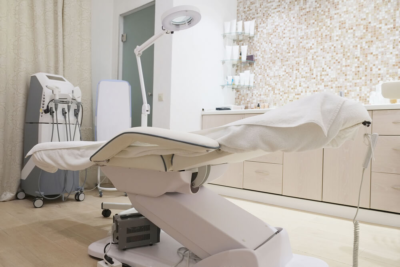
Dental anxiety is a common barrier to regular care, but modern technology helps ease these concerns. Virtual consultations and intraoral cameras allow patients to see and discuss their conditions before undergoing treatment, reducing uncertainty. Sedation techniques and ergonomic dental chairs also contribute to a calming environment, allowing patients to feel more relaxed and in control.
For those seeking local care with a focus on comfort and modern techniques, the Clapham dentists at directdental.co.uk are known for integrating advanced technologies into their practice. Their approach highlights how innovation and patient-centered care can go hand in hand.
Looking Ahead: The Future of Dental Technology
As technology continues to advance, the patient experience is set to improve even further. Artificial intelligence may soon assist in diagnostics, predicting potential issues before they become serious. Smart toothbrushes and home monitoring devices could offer real-time feedback, allowing patients to take a more active role in their oral health.
Ultimately, the integration of modern dental technology not only improves the efficiency and effectiveness of treatments but also transforms how patients perceive and engage with dental care. What was once a source of stress can now be an experience that is informative, comfortable, and even empowering.

Alexia is the author at Research Snipers covering all technology news including Google, Apple, Android, Xiaomi, Huawei, Samsung News, and More.