How Real-Time Data Tracking Transforms Tensile Sample Preparation
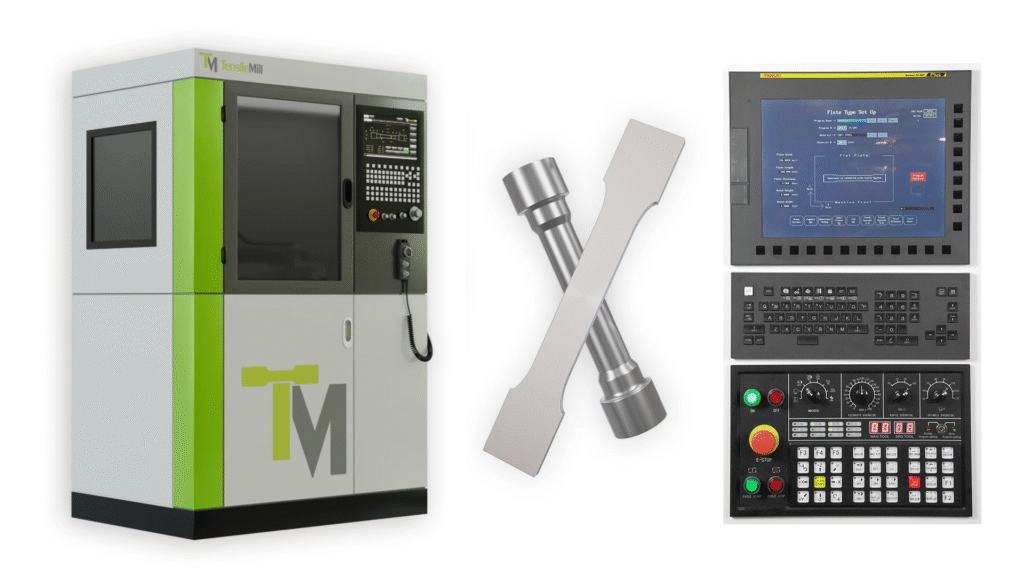
Tensile sample preparation is more than just a step in material testing—it’s the foundation of accurate results. Yet, traditional methods often fall short, leaving room for inconsistencies that impact testing outcomes. In an industry where precision is everything, these gaps can lead to wasted time, material, and effort.
This is where real-time data tracking plays a key role. By integrating advanced monitoring systems into the preparation process, manufacturers address long-standing challenges with precision and efficiency. Recent studies suggest that automated tensile specimen preparation equipment equipped with real-time tracking can cut preparation errors in half. It’s not just about getting things done faster; it’s about doing them better. With these innovations, tensile sample preparation is entering a new era of accuracy and dependability.
Precision is Perfected Through Real-Time Monitoring
Imagine trying to achieve perfection when even the smallest misstep can throw off your results. That’s the reality of tensile testing, where a slight variation in a sample’s dimensions can skew data and undermine the entire testing process. Real-time data tracking changes the game by guaranteeing precision at every stage of preparation.
These advanced tensile sample preparation machines continuously monitor critical parameters like cutting speed, pressure, and tool performance. If something deviates from the optimal range, the system adjusts in real time. For example, the system automatically recalibrates if the cutting tool encounters resistance due to material hardness to maintain consistent force and speed. This dynamic response eliminates guesswork and reduces human error, making specimens uniform and reliable.
The impact of precision extends beyond the laboratory. In fields like aerospace or automotive manufacturing, where safety standards are non-negotiable, consistent sample preparation ensures reliable test results. Studies have shown that automated preparation systems equipped with real-time tracking can achieve tolerances as fine as 0.02 mm—levels that manual methods struggle to match.
What’s more, this technology isn’t just about tight tolerances; it’s about repeatability. Every sample prepared using real-time tracking meets the same exacting standards, reducing testing variability by up to 25%. This kind of reliability saves time, prevents material waste, and makes certain that testing data is trustworthy for operators and end-users.
Revolutionizing Efficiency Through Real-Time Tracking
In the past, tensile sample preparation was a time-consuming process that required meticulous attention to detail. Operators had to rely on manual tools and expertise to make certain specimens met the required standards. While effective, this method left plenty of room for inefficiencies, particularly when preparing large volumes of samples. Real-time data tracking has transformed this process, marrying automation with intelligent monitoring to create an efficient, streamlined workflow.
One of the key benefits of integrating real-time tracking into preparation systems is preparation time reduction. Automated machines equipped with tracking sensors can process multiple specimens simultaneously, assuring consistency without compromising speed. Reports suggest that these systems can cut preparation time by 50%, enabling labs and production facilities to handle larger workloads without additional strain.
Beyond speed, automation with real-time data tracking introduces adaptability. The system can dynamically adjust parameters such as tool pressure and rotation speed based on the material’s specific properties. For example, a harder material might require slower cutting speeds to prevent tool wear, while softer materials may allow faster processing. This flexibility guarantees that the preparation process is optimized for any material, reducing waste and improving overall productivity.
The benefits extend to operators as well. Intuitive interfaces powered by real-time data provide actionable insights in a user-friendly format, making it easier to identify and address potential issues. This minimizes downtime caused by trial-and-error adjustments and allows even less-experienced operators to achieve professional-grade results. In some facilities, automation combined with real-time tracking has boosted output by 30% while reducing operator involvement by half.
Overall, real-time data tracking doesn’t just make tensile sample preparation faster; it makes it smarter. By automating routine tasks and optimizing processes in real time, this technology frees up resources, reduces costs, and ensures high-quality outcomes every time.
Building Confidence with Traceability
Traceability is a cornerstone of quality control, and tensile sample preparation is no exception. In traditional setups, documentation was often manual and prone to errors, making it difficult to trace inconsistencies back to their source. With real-time data tracking, every aspect of the preparation process is recorded, creating a comprehensive digital trail that ensures accountability and compliance.
This capability is particularly critical in industries that must meet strict regulatory standards. For instance, having a record of preparation parameters—such as applied force, cutting speed, and material properties—allows labs to demonstrate compliance during audits or inspections. Data tracking systems store this information and present it in organized formats, making reporting seamless and accurate.
Traceability is also an important factor in troubleshooting. If a batch of samples yields unexpected results during testing, the preparation data can be reviewed to pinpoint potential issues. This eliminates guesswork and speeds up corrective actions, preventing costly delays in production or research. Facilities equipped with real-time tracking report a 30% reduction in errors related to preparation inconsistencies.
Moreover, these systems foster confidence in testing. Knowing that every step of sample preparation is documented and verifiable assures stakeholders that the results are reliable and reproducible. It also improves collaboration across teams, as data can be easily shared and analyzed to improve processes.
Including traceability in tensile sample preparation isn’t just a quality control measure; it’s a strategic advantage. By combining automation with real-time data tracking, facilities can guarantee consistency, accountability, and continuous improvement, setting an unprecedented standard for excellence in material testing.
Transforming Tensile Sample Preparation with Real-Time Data
Real-time data tracking is more than just an enhancement to tensile sample preparation—it is a transformative shift that redefines accuracy, efficiency, and reliability. By addressing the limitations of traditional methods, this technology ensures that every specimen is prepared with precision, optimized for its unique material properties, and fully traceable for quality assurance.
The benefits extend far beyond the laboratory. Industries relying on tensile testing can achieve faster workflows, reduce waste, and enhance product reliability, all while maintaining compliance with stringent standards. Facilities that have adopted real-time tracking report significant improvements in consistency and productivity, proving that innovation in preparation processes leads to tangible results.
As the demand for accurate and efficient material testing grows, real-time data tracking stands out as an essential tool for the future. It simplifies complex processes and builds confidence in testing outcomes, making it a key component of tensile sample preparation. This technology isn’t just improving how things are done—it’s setting the stage for what’s next.

Digital marketing enthusiast and industry professional in Digital technologies, Technology News, Mobile phones, software, gadgets with vast experience in the tech industry, I have a keen interest in technology, News breaking.