How Secure Is Your HR Data? Rethinking Risk in the Age of Cloud-Based Systems
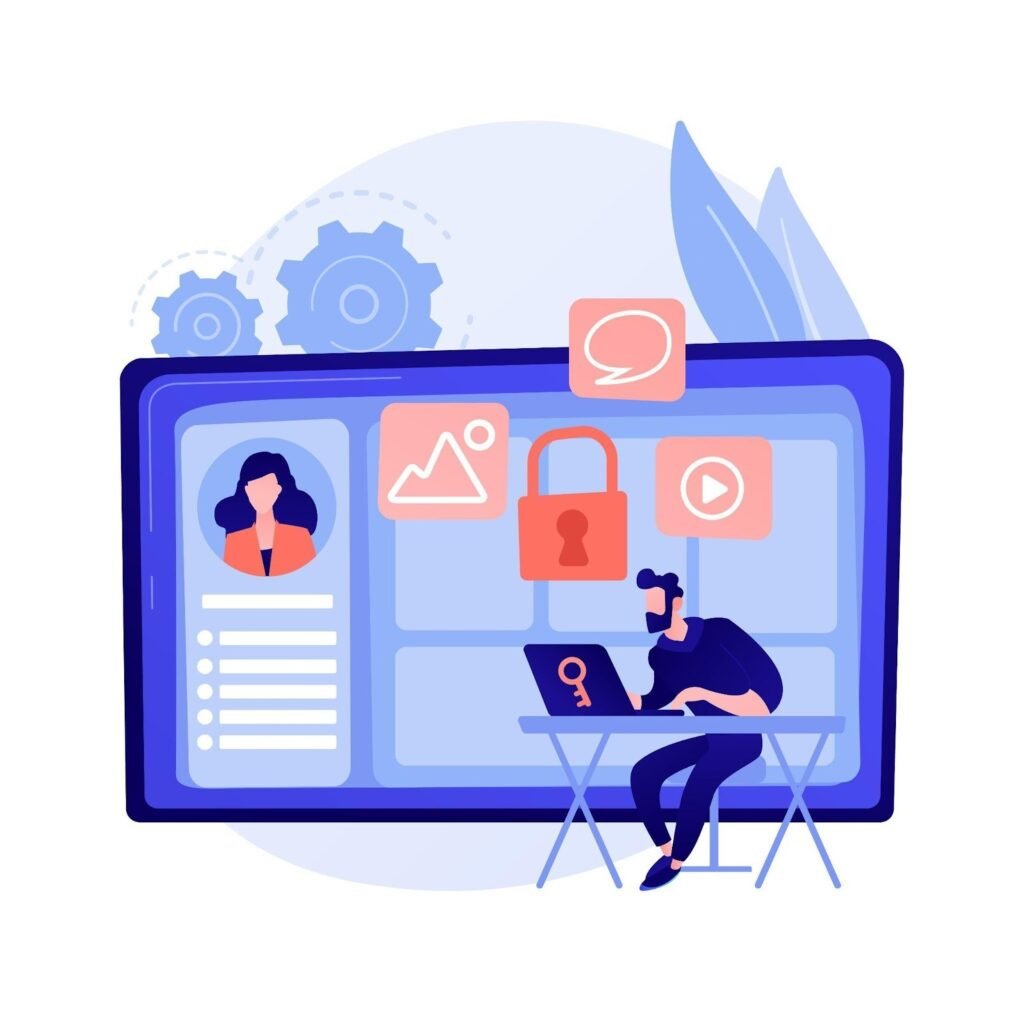
In today’s enterprise environment, data security is no longer an IT-only concern—it’s a fundamental business imperative. As more organizations adopt cloud-based HR systems to streamline employee management, a new question surfaces: how protected is the data these platforms collect, store, and transmit? Choosing an HRIS is no longer just about features—it’s about trust, compliance, and long-term resilience.
One platform responding to this demand is Thrivea hr software, which blends sophisticated functionality with robust security architecture to support forward-thinking organizations.
The Expanding Attack Surface of HR Systems
Cloud-based HR platforms are a natural evolution for businesses seeking flexibility and scalability. But they also widen the attack surface. From personal identification data to compensation details and performance records, HRIS platforms hold some of the most sensitive information within an enterprise.
These systems are not only high-value targets—they’re also increasingly integrated with other business applications. APIs, remote access, and mobile interfaces make data fluid, but also potentially vulnerable. As integration with enterprise platforms deepens, risks compound if security protocols lag behind adoption.
The sophistication of cyberattacks has also advanced. Phishing campaigns, ransomware, and social engineering increasingly target HR departments because of their access to confidential employee data. HRIS platforms, if not hardened, can become a direct conduit for these attacks.
Balancing Accessibility with Security
The promise of HRIS platforms lies in access—giving managers, employees, and leadership timely visibility into relevant data. But this access must be carefully governed. Authentication protocols, role-based access, and encrypted communication are no longer optional—they’re foundational.
Organizations should also evaluate how vendors handle data residency, regular audits, and breach response planning. A system’s ability to prove compliance with frameworks like SOC 2 or ISO 27001 is a signal of its operational maturity. Without these, even the most feature-rich systems may fall short of compliance expectations.
Security measures should be dynamic, not static. As threats evolve, HR platforms must offer regular updates and patches, strong encryption, and configurable permissions. Look for vendors that allow organizations to customize user access and audit logs in real time.
Vendor Trust: More Than a Checklist
Enterprise buyers are increasingly attuned to vendor transparency. It’s no longer sufficient for an HRIS provider to claim “secure cloud hosting”—decision-makers want clear documentation, audit reports, and security whitepapers. They expect providers to share their security protocols, testing methodologies, and certifications.
Trust is also a matter of ongoing behavior. Does the vendor disclose incidents? Do they engage in responsible vulnerability disclosure? Are there visible signs of investment in cybersecurity as a discipline, not just a selling point? Transparency about past issues—and how they were resolved—often signals maturity.
Moreover, vendors that participate in third-party testing and bug bounty programs demonstrate a proactive security posture. These measures help assure clients that their HRIS partner takes data security seriously and continually invests in improvement.
Security as a Differentiator
In a crowded HR tech market, robust data protection can serve as a true differentiator. For organizations handling global teams or regulated industries, security isn’t just a back-office issue—it shapes procurement decisions and brand reputation. A single data breach can erode employee trust and incur significant legal consequences.
Solutions like Thrivea frame their architecture around these realities, offering layered security controls, compliance readiness, and engineering transparency. By focusing on data governance and risk mitigation, Thrivea empowers HR teams to operate with confidence.
Security-focused design also accelerates adoption. Employees are more likely to embrace systems that respect their data privacy, and IT teams can integrate secure HR platforms into their broader infrastructure without hesitation.
Looking Ahead
As threats evolve and employee expectations rise, HR platforms will continue to adapt. The next generation of HRIS systems will likely include embedded anomaly detection, AI-powered compliance monitoring, and even deeper integrations with enterprise security frameworks.
In the meantime, business and HR leaders should treat security evaluation as a core part of HR software selection. Not as a barrier, but as an opportunity to align people systems with the resilience their organizations need. By choosing systems that prioritize both performance and protection, enterprises can support growth without compromising trust.

Alexia is the author at Research Snipers covering all technology news including Google, Apple, Android, Xiaomi, Huawei, Samsung News, and More.