How to Protect Sensitive Medical Goods During Transit
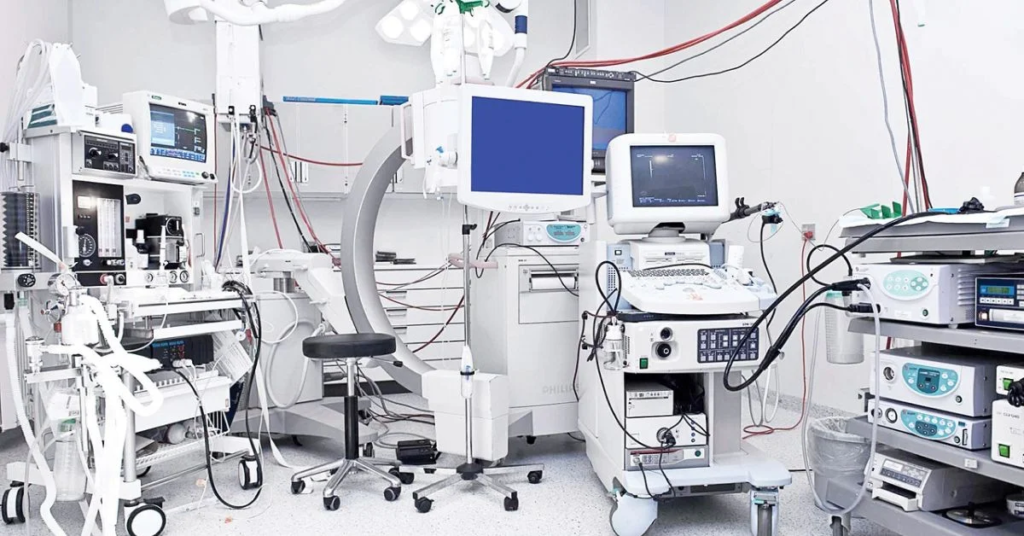
When it comes to transporting sensitive medical goods, ensuring their safety and integrity is essential. These products, ranging from life-saving medications to sophisticated medical devices, are vulnerable to a variety of risks during transit, including physical damage, theft, and exposure to unsuitable environmental conditions. Even slight compromises in the handling or conditions of these goods can lead to irreversible damage, rendering them ineffective and unsafe for use. This not only puts the patient at risk but can also result in significant financial losses for manufacturers and distributors. Therefore, businesses in the medical field must prioritize proper handling and protection of these goods to ensure that they reach their destination in optimal condition.
Ensuring the safe transport of medical goods requires a multi-faceted approach, including secure packaging, temperature control, and regulatory compliance. These factors work together to safeguard the product from external and internal threats. Packaging alone, while critical, is not enough to prevent all risks. To further secure the products, measures such as advanced sealing techniques, temperature-controlled environments, and secure transportation routes must be implemented. By considering all these aspects, companies can mitigate the risks and ensure the safe delivery of medical goods, thereby preserving their effectiveness, quality, and compliance with regulatory standards.
Secure Packaging in Medical Transport
Secure packaging is the first line of defense when transporting sensitive medical goods. The packaging must be designed to withstand the rigors of transportation, whether it’s through air, sea, or road. During the transit process, products are subjected to various stressors such as vibrations, impacts, and exposure to environmental factors like humidity or temperature fluctuations. Medical products, especially those that are fragile or temperature-sensitive, require packaging that provides both physical protection and ensures the contents remain intact. Furthermore, packaging must be able to support the weight and size of the products without compromising its structural integrity, ensuring that nothing is damaged or altered during the journey.
To enhance the safety of sensitive medical goods, tamper-evident packaging provides an additional layer of protection. This packaging type allows both the sender and the receiver to verify that the product inside has not been tampered with. If the package is opened or altered in any way, it becomes immediately evident, which can help prevent the risk of theft, contamination, or fraud. In the medical industry, where the stakes are particularly high, tamper-evident solutions are essential for maintaining trust in the supply chain. By combining secure packaging with these solutions, companies can confidently guarantee the safe arrival of their medical goods, ultimately ensuring both product safety and regulatory compliance.
Using Seals to Safeguard Medical Shipments
Security seals are one of the most reliable methods for protecting medical goods during transport. These devices are designed to prevent unauthorized access to shipments and act as an immediate deterrent against tampering or theft. Often used in high-risk environments where the protection of goods is critical, these seals offer visible evidence of whether a package has been opened or altered during transit. They are used extensively in industries like pharmaceuticals, where the integrity of the product is paramount. By sealing the shipment with these features, manufacturers and distributors can guarantee that their goods have not been compromised during transit.
Additionally, security seals are often required for regulatory compliance, particularly in international shipments. Regulatory bodies and customs authorities often require proof that the medical goods have not been tampered with, and these seals provide that assurance. This is particularly important when dealing with products like biologics, vaccines, or medications that have stringent handling and storage requirements. The use of these seals also helps ensure that all parties involved in the shipping process, from manufacturers to wholesalers to healthcare providers, can trust that the goods they are receiving are the same as when they were shipped, without any alterations or contamination. Thus, these seals play a critical role in maintaining the quality, safety, and legality of medical shipments.
Strength and Reliability of Seals in Medical Logistics
When it comes to securing larger shipments or bulk containers, cable seals offer a highly reliable solution. These devices are known for their strength and resistance to tampering, making them an ideal choice for larger medical shipments that require extra protection. They are typically used for securing heavy-duty containers or transportation units, where traditional seals might not provide sufficient security. Their unique design ensures that they are extremely difficult to tamper with or remove without leaving visible evidence, which is crucial for protecting high-value medical goods during long-distance transport.
In addition to their strength, these seals are versatile and adaptable to various shipment types. They are adjustable, allowing them to be used with different sizes of containers, providing flexibility for different shipping needs. The added benefit of using cable seals is that they can be equipped with tracking and serial numbers, which further enhance their security. This ensures that the shipment can be tracked throughout its journey and can provide proof of its integrity. When combined with other forms of packaging and security, they help create a multi-layered defense system, significantly reducing the risk of tampering or theft during transport.
Maintaining Temperature Control for Sensitive Medical Goods
Many medical goods, such as vaccines, biologics, and certain medications, are highly sensitive to temperature changes and require specific conditions to maintain their potency and effectiveness. Transporting these goods without proper temperature control can result in irreversible damage, rendering the products ineffective or even harmful. To ensure that temperature-sensitive medical products remain safe during transit, companies must use temperature-controlled packaging solutions. These solutions often include insulated containers, refrigerants, and temperature-monitoring devices that help maintain the required temperature ranges throughout the journey.
Temperature-controlled packaging is not only essential for preserving the quality of medical goods, but it also helps ensure compliance with regulatory standards. Many countries and regions have strict guidelines in place regarding the transport of temperature-sensitive products, and failing to meet these standards can result in fines, delays, or product rejection. By incorporating temperature-control measures such as refrigerated containers and monitoring devices, businesses can ensure that their shipments remain within the specified temperature range, thus safeguarding the goods and maintaining their regulatory compliance. Coupled with secure packaging and sealing solutions, these temperature-control methods provide a comprehensive approach to protecting medical goods during transit.
Preventing Theft and Fraud in the Supply Chain
The risk of theft and fraud in the supply chain is an ongoing concern, especially when it comes to high-value medical goods. Counterfeit products or stolen goods not only pose a significant health risk but also lead to financial losses for manufacturers, suppliers, and healthcare providers. Preventing theft and fraud requires a proactive approach to securing shipments from the point of origin to the final destination. One of the most effective ways to deter theft is by using advanced sealing methods, such as tamper-evident seals. These seals provide a clear indication if someone has attempted to access the shipment, making it easier to detect fraud or tampering early.
Incorporating additional security measures, such as GPS tracking and RFID technology, further enhances the ability to monitor shipments in real time. By tracking the location of the shipment and having a record of its movements, companies can identify any unauthorized detours or stops. This level of visibility allows businesses to respond promptly to any security breaches and helps prevent theft or fraud before it becomes a significant issue. By using tamper-evident seals in combination with tracking technologies, businesses can ensure the safe and secure delivery of their medical products, minimizing the risks of theft and enhancing the overall reliability of the supply chain.
Legal and Regulatory Aspects of Transporting Medical Goods
In many countries, transporting medical goods is heavily regulated to ensure public safety. These regulations are designed to ensure that medical products are safe, effective, and of the highest quality. As such, complying with these regulations is not just a matter of best practice; it’s a legal requirement. Failing to meet these standards can lead to hefty fines, legal penalties, and damage to the company’s reputation. Additionally, non-compliance can result in the rejection of shipments or the inability to distribute products, causing financial losses and delays.
To ensure compliance with legal and regulatory standards, businesses must adopt the necessary security measures for transporting medical goods. This includes using various security solutions to guarantee the integrity of the products. Regulatory bodies often require proof that medical goods have been transported securely, and employing these security measures not only ensures the protection of the goods but also demonstrates adherence to legal standards. By staying up to date with regulatory requirements and implementing appropriate security measures, businesses can protect themselves from legal issues while ensuring the safety and efficacy of their medical products during transit.
Final Thoughts
Protecting sensitive medical goods during transit is a multifaceted challenge that requires attention to both security and environmental factors. From choosing the right packaging and sealing methods to controlling the temperature and preventing theft, every step of the process is critical to ensuring that medical goods arrive safely and in optimal condition. By investing in secure packaging solutions, temperature control measures, and regulatory compliance, businesses can protect their products, maintain trust, and ensure that patients receive the highest-quality medical supplies.
As the global demand for medical products continues to grow, the importance of protecting sensitive medical goods during transit will only increase. Companies that prioritize these measures will not only comply with regulations but also build a reputation for reliability and safety, which is invaluable in the healthcare industry. Ultimately, businesses that take the necessary steps to safeguard their medical shipments will ensure that their products reach their destinations securely, on time, and in compliance with all relevant standards.

Alexia is the author at Research Snipers covering all technology news including Google, Apple, Android, Xiaomi, Huawei, Samsung News, and More.